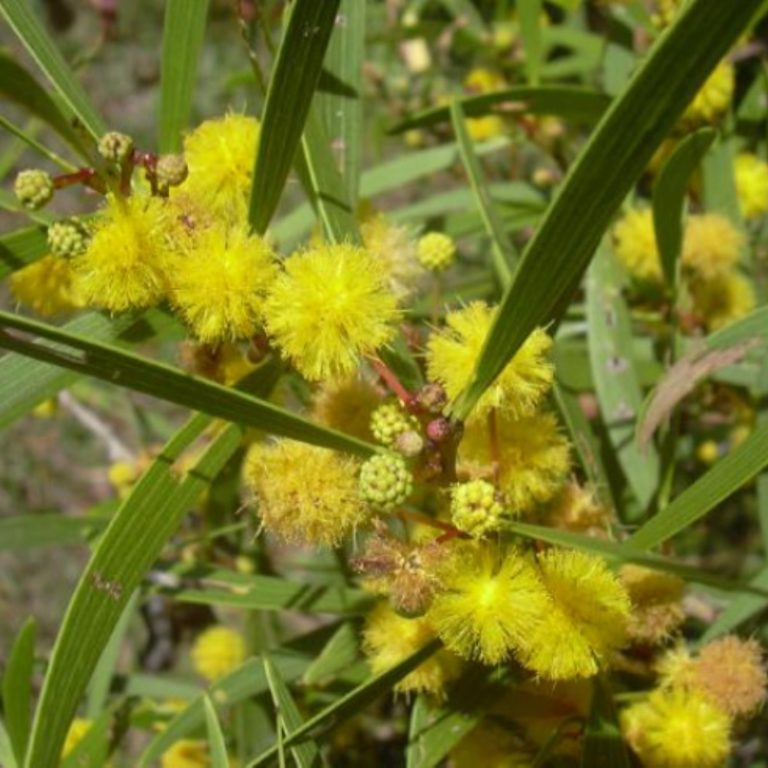
If you are searching for where to buy Acacia formosa, it is important to understand the plant’s botanical identity before purchasing seeds, seedlings, or other plant material. The name Acacia formosa appears in older botanical literature and online plant listings, but modern botanical databases may list the species under another name: Zapoteca formosa.
Understanding this name change can make your search much easier and help you avoid purchasing the wrong species.
In this guide, we will explain what Acacia formosa is, where it grows naturally, how to identify it, what name to search for, where buyers can look for legitimate plant material, and what to check before making a purchase.
What Is Acacia Formosa?
Acacia formosa is a botanical name that has historically been used for a species now accepted by Kew’s Plants of the World Online as Zapoteca formosa (Kunth) H.M.Hern.
The species belongs to the legume family, Fabaceae, and is native to tropical and subtropical regions of the Americas.
Kew lists Acacia formosa Kunth as a synonym of Zapoteca formosa. The accepted species is described as a tree occurring primarily in seasonally dry tropical environments.
Acacia Formosa Botanical Name
One of the most important things to understand when searching for this plant is botanical naming.
Historical name
Acacia formosa Kunth
Currently accepted name
Zapoteca formosa (Kunth) H.M.Hern.
Because botanical classifications change as researchers study plant relationships, older names can continue to appear in books, databases, nursery catalogs, seed listings, and online searches.
For this reason, someone searching for this plant should also search for Zapoteca formosa.
Kew’s Plants of the World Online specifically records Acacia formosa as a synonym of Zapoteca formosa.
Where Does Acacia Formosa Grow?
The species has a broad native distribution across tropical and subtropical America.
According to Kew, Zapoteca formosa occurs naturally in numerous areas of Central America, Mexico, the Caribbean, and parts of South America. Its recorded native range includes countries and regions such as Mexico, Guatemala, Belize, Honduras, Nicaragua, Costa Rica, Colombia, Venezuela, Ecuador, Peru, Bolivia, Paraguay, Brazil, Cuba, Haiti, the Dominican Republic, and others.
Its natural environment is particularly associated with seasonally dry tropical areas.
The plant may occur in habitats including forest, woodland, savanna, and shrubland. Kew also records it as a species used as animal food.
This geographic information is useful when evaluating online listings because a seller should be able to provide reasonable information about the plant’s identity and provenance.
Where to Buy Acacia Formosa
If you want to buy this plant, the first step is to search using both names:
- Acacia formosa
- Acacia formosa Kunth
- Zapoteca formosa
- Zapoteca formosa seeds
- Zapoteca formosa plant
- Zapoteca formosa nursery
- Acacia formosa seeds
- Acacia formosa live plant
Searching both the historical and accepted botanical names can produce better results than searching only for “Acacia formosa.”
1. Specialist plant nurseries
Specialist nurseries that grow tropical trees and unusual legumes can be a good place to look for Acacia formosa or Zapoteca formosa.
Before purchasing, check whether the listing provides:
- The botanical name
- Seed or plant origin
- Approximate age or size
- Germination information, if seeds are sold
- Growing requirements
- Shipping information
- Photos of the actual species
- A clear description of the plant
A reputable nursery should be comfortable identifying the plant by its botanical name rather than relying only on a common name.
2. Specialty seed suppliers
Seed suppliers specializing in tropical and unusual plants may list the species under Zapoteca formosa instead of Acacia formosa.
This is one reason botanical-name research is important.
If you search only for “Acacia formosa seeds,” you may miss legitimate listings that use the currently accepted name.
3. Botanical and horticultural marketplaces
Online marketplaces can also contain listings for unusual plant seeds and seedlings. However, buyers should be more careful because plant names can sometimes be used incorrectly.
Before purchasing, compare the seller’s botanical description with a trusted botanical reference.
4. Botanical gardens and plant societies
Local botanical gardens, horticultural societies, seed exchanges, and specialist plant groups can sometimes help people locate unusual species.
These organizations may also provide better information about cultivation and identification than a generic marketplace listing.
How to Make Sure You Are Buying the Correct Plant
The biggest challenge when buying a plant with an older scientific name is misidentification.
The name Acacia is associated with many different plants, and species within the broader legume family can sometimes look similar.
Before buying, check the scientific name carefully.
For this particular species, look for the connection between:
Acacia formosa → Zapoteca formosa
Kew recognizes Acacia formosa as a synonym of Zapoteca formosa.
Do not assume that every product labeled simply “Acacia” is the same species.
Check the seller’s botanical information
A good listing should provide more than a generic product name.
Look for:
- Scientific name
- Author or botanical authority when available
- Plant photographs
- Geographic origin
- Description of growth habit
- Seed or plant specifications
- Cultivation information