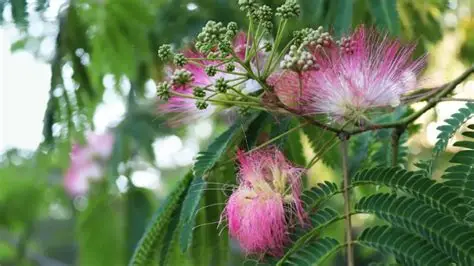
Tepezcohuite Mimosa tenuiflora is a tropical tree that has attracted attention for its traditional role in Mexican skincare and its distinctive botanical properties. Often called the Mexican skin tree, tepezcohuite is particularly associated with the use of its bark in traditional preparations for skin injuries and other external applications.
The scientific name of the plant is Mimosa tenuiflora. It belongs to the Fabaceae family, which includes legumes, shrubs, and trees found in many parts of the world. The species has a long history of traditional use in parts of Mexico and Central and South America.
Today, tepezcohuite is discussed in botanical research, traditional herbal medicine, and the cosmetics industry. Understanding its identity, natural habitat, chemical composition, and safety considerations can help readers separate established facts from claims that require further research.
In this educational guide, we explore the characteristics of Tepezcohuite Mimosa tenuiflora, its traditional uses, its role in skincare research, and the scientific evidence available.
What Is Tepezcohuite Mimosa tenuiflora?
Tepezcohuite is the common name used in Mexico for Mimosa tenuiflora, a thorny shrub or small-to-medium-sized tree. The plant is also known by other names, including tepescohuite, jurema preta, and mimosa hostilis.
Its bark is especially important in traditional Mexican herbal practices. The dried bark has historically been used in preparations associated with skin care and the management of certain skin injuries.
Although the plant is widely discussed in natural skincare, it is important to distinguish its traditional reputation from the results of modern clinical research.
Basic botanical facts
- Scientific name: Mimosa tenuiflora (Willd.) Poir.
- Family: Fabaceae
- Common name: Tepezcohuite
- Other names: Tepescohuite, jurema preta, and mimosa hostilis
- Plant type: Thorny shrub or tree
- Natural distribution: Parts of Mexico and Central and South America
- Notable plant part: Stem bark
- Traditional applications: External botanical preparations and traditional skincare practices
The name Mimosa hostilis is frequently used as a synonym for Mimosa tenuiflora. However, common names and commercial labels are not always consistent, so the scientific name is useful when researching the plant.
Where Does the Tepezcohuite Plant Grow?
The tepezcohuite plant occurs in tropical and subtropical regions of the Americas. It is particularly associated with Mexico and parts of northeastern Brazil and neighboring regions.
In Mexico, populations have been documented in states including Chiapas and Oaxaca. The species can grow in seasonally dry environments and disturbed areas where other vegetation may struggle to establish itself.
Natural habitat and growing conditions
The plant is adapted to environments that may experience pronounced dry seasons. Its distribution is influenced by rainfall, soil conditions, temperature, and local vegetation.
Typical habitat characteristics include:
- Warm tropical or subtropical climates
- Seasonally dry woodland and scrub
- Well-drained soils in suitable habitats
- Open areas receiving substantial sunlight
- Environments with distinct wet and dry periods
Its ability to establish itself in challenging environments makes Mimosa tenuiflora an interesting species for botanical and ecological research.
However, growing conditions differ between locations. A description of one population should not be treated as a universal cultivation guide for every climate.
How to Identify Mimosa tenuiflora
Accurate plant identification is important because several species in the genus Mimosa share similar characteristics and common names.
1. Examine the leaves
Mimosa tenuiflora has finely divided, compound leaves with numerous small leaflets. Their delicate, fern-like appearance can help distinguish the plant from species with broad, simple leaves.
2. Look at the stems and branches
The plant commonly develops woody branches and may have thorns. Its overall shape varies depending on age, climate, and growing conditions.
3. Observe the flowers
The flowers are generally arranged in compact, cylindrical or spike-like clusters. They are typically pale cream to white and have numerous fine stamens that give the clusters a soft, brush-like appearance.
4. Examine the bark carefully
The bark is an important botanical and commercial feature of tepezcohuite. However, bark color and texture can vary with the age of the plant, environmental conditions, and processing.
A photograph of bark alone is not enough to confirm a specimen’s identity.
5. Confirm the scientific name
For reliable identification, consult a botanical reference, herbarium record, or qualified plant identification specialist. Scientific identification is particularly important when the material has been dried, powdered, or processed.
What Is Tepezcohuite Bark Traditionally Used For?
Tepezcohuite is best known for its traditional association with skin care in Mexico. Historical and ethnobotanical literature describes the use of its bark in preparations intended for burns, wounds, and other skin conditions.
The plant gained wider public attention during the 1980s, when bark preparations were reportedly used in Mexico following serious burn incidents. This history contributed to its reputation as the Mexican skin tree.
Nevertheless, historical accounts should be interpreted carefully. Traditional use can help researchers identify plants worthy of further investigation, but it does not by itself establish the safety or effectiveness of a remedy.
Traditional external applications
The dried bark has traditionally been processed into material for external use. Modern commercial products may instead contain formulated extracts or other ingredients derived from the plant.
These products are not necessarily equivalent. The composition of an extract can depend on the source material, processing method, extraction solvent, and manufacturing standards.
People researching tepezcohuite skincare should therefore distinguish between traditional bark preparations, laboratory extracts, and finished cosmetic products.
Tepezcohuite and Natural Skincare
Interest in Tepezcohuite Mimosa tenuiflora has expanded into the natural skincare industry. Some cosmetic products use the plant as a botanical ingredient in creams, lotions, and other topical formulations.
The scientific interest is partly related to the chemical constituents found in its bark.
Tannins and other plant compounds
Research on Mimosa tenuiflora bark has identified tannins, including proanthocyanidins, among its notable chemical constituents. Tannins are naturally occurring plant compounds that interact with proteins and contribute to the chemical characteristics of many botanical materials.
Researchers have also investigated other constituents and extracts from the plant to understand their biological activity.
The exact composition varies with the material and the preparation method. It is therefore inaccurate to assume that every tepezcohuite powder, extract, cream, or lotion contains the same compounds in the same concentrations.
What about skin regeneration?
Some laboratory and clinical research has investigated preparations derived from Mimosa tenuiflora bark, including standardized extracts studied in the context of wound care.
For example, a study published in the Journal of Ethnopharmacology examined the botanical identification and chemical characteristics of the bark. Other research has investigated bark-derived compounds and their effects on skin-related cells under laboratory conditions.
These findings are scientifically interesting, but they do not establish that all products containing tepezcohuite can regenerate skin, eliminate wrinkles, or treat burns.
Product formulation, concentration, testing quality, and the condition being studied all matter when interpreting research findings.
What Does Scientific Research Say About Tepezcohuite?
Scientific literature on Mimosa tenuiflora includes ethnobotanical studies, chemical analyses, laboratory investigations, and some clinical research involving particular preparations.
A 2007 paper in the Journal of Ethnopharmacology investigated the botanical and pharmacognostic characteristics of tepezcohuite bark. The researchers described methods for identifying authentic plant material and distinguishing it from possible adulterants.
The study is relevant because botanical identification and quality control are essential when plant materials are use in research or commercial products.
A separate 2009 study examined arabinogalactans derived from the bark and their effects on human dermal fibroblasts and keratinocytes in laboratory experiments. These cell studies provide information about biological activity under specific experimental conditions, but they do not independently prove clinical effectiveness in people.