Mimosa Hostilis Root Bark Powder: A Complete Guide to Quality, Uses, and Storage
Mimosa hostilis root bark powder is a finely ground botanical material associated with Mimosa tenuiflora, a plant native to parts of Mexico, Central America, and northern Brazil. Although the name “Mimosa hostilis” remains widely used commercially, Mimosa tenuiflora (Willd.) Poir. is the currently accepted botanical name according to Kew’s Plants of the World Online.
The plant has a long history of traditional and practical use. Its bark has been studied for naturally occurring tannins and other plant compounds, while the species has also been used traditionally for applications involving dyes, tanning, wood, and topical preparations.
For anyone researching this botanical material, understanding the difference between authentic root bark powder and lower-quality material is important. This guide explains what it is, where the plant comes from, how the powder is produced, what characteristics to look for, how it can be stored, and what responsible buyers should consider before purchasing.
What Is Mimosa Hostilis Root Bark Powder?
Mimosa hostilis root bark powder is produced by drying and mechanically grinding the bark of the roots associated with Mimosa tenuiflora.
The species belongs to the Fabaceae family and is a woody shrub or small tree. Kew records its native distribution from southern Mexico through parts of Central America and into northeastern Brazil.
The term “Mimosa hostilis” is still frequently encountered because it is a historical scientific name associated with the plant. Kew lists Mimosa hostilis Benth. among the synonyms connected with Mimosa tenuiflora.
This distinction is useful when researching products because botanical names can change over time while older names remain common in commerce and literature.
Where Does Mimosa Tenuiflora Grow?
Mimosa tenuiflora naturally occurs across tropical and subtropical regions of the Americas.
Its documented native range includes:
- Mexico
- Guatemala and neighboring parts of Central America
- Colombia
- Venezuela
- Brazil
- Other areas of tropical Latin America
Kew describes the plant as a scrambling shrub or tree that primarily occurs in wet tropical environments, although populations also occur in drier landscapes.
Different regions can produce botanical material with differences in appearance because soil, climate, rainfall, age of the plant, and processing conditions can influence the physical characteristics of plant material.
Why Is the Root Bark Important?
Bark is one of the plant parts that has attracted considerable ethnobotanical and scientific interest.
Research reviews describe traditional applications of Mimosa tenuiflora bark in several regions. In Mexico, for example, bark has historically been associated with topical applications involving burns, wounds, and inflammation.
The bark is also known for containing tannins and other naturally occurring plant constituents. Historically, plant-derived tannins have been useful in applications such as tanning and coloring materials.
It is important, however, to distinguish traditional use from clinically established medical treatment. Traditional references do not automatically demonstrate that a powdered botanical product is safe or effective for treating a particular medical condition.
What Does High-Quality Mimosa Hostilis Root Bark Powder Look Like?
Physical appearance can provide useful clues when evaluating botanical material, although appearance alone cannot prove authenticity.
Quality material is commonly expected to have:
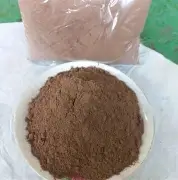
1. A natural reddish-brown appearance
Root bark from Mimosa tenuiflora can have brown, reddish-brown, or darker tones depending on the material and processing.
Extremely unusual coloring, excessive discoloration, or obvious contamination can justify further investigation.
2. A fibrous botanical texture
Authentic bark originates from woody plant tissue. Properly processed material should therefore have a recognizable fibrous botanical character rather than looking like an entirely synthetic or artificially colored powder.
3. Low visible moisture
Moisture is an important consideration for powdered plant materials.
Excess moisture can encourage:
- Mold growth
- Unpleasant odors
- Clumping
- Degradation
- Shorter storage life
A reputable supplier should take appropriate precautions during drying, grinding, packaging, and storage.
4. A natural botanical aroma
The material should have an identifiable plant-like aroma rather than a strong chemical, solvent-like, or otherwise unusual smell.
5. Consistent milling
A properly processed powder should generally have relatively consistent particle size. Excessive pieces of wood, stones, dirt, plastic, or other foreign material are quality concerns.
Mimosa Hostilis Root Bark Powder vs. Whole Root Bark
One important distinction is the form in which the botanical material is sold.
Whole or larger root bark pieces are less processed and allow the physical structure of the bark to remain visible.
Shredded root bark consists of smaller pieces that have been mechanically cut or shredded.
Powdered root bark has been mechanically ground into much smaller particles.
Each form has different practical advantages.
Powder is particularly convenient for botanical research, natural-color applications, and certain traditional topical formulations because its smaller particle size provides greater surface area.
However, powder can also make it harder for a buyer to visually inspect the original plant material. This is one reason supplier transparency and proper quality controls are important.
Traditional and Practical Uses
The history of Mimosa tenuiflora includes a variety of cultural, practical, and traditional applications.
Natural Dye Applications
One of the most interesting non-psychoactive applications of the plant is its use as a source of natural color.
Plant materials containing tannins and other pigments can interact with fibers and mordants to produce different shades depending on the material being dyed and the dyeing conditions.
If you are interested in natural dyeing, you can learn more about:
Traditional Topical Applications
Ethnobotanical literature documents traditional use of Mimosa tenuiflora bark in Mexico and northeastern Brazil for various external applications, including uses involving skin injuries and inflammation.
These historical uses are interesting from an ethnobotanical perspective, but they should not be presented as proof that commercial root bark powder can diagnose, prevent, or treat medical conditions.
Anyone considering a botanical preparation for a skin condition should consult a qualified healthcare professional.
Tanning and Material Applications
Historical research also describes uses of Mimosa tenuiflora tannins in paints and tanning applications.
This illustrates why the plant has significance beyond its identity as a commercially traded botanical powder.
Why Botanical Identification Matters
A major consideration when buying any powdered botanical is correct species identification.
The name “Mimosa” can refer to many different species. Kew’s database recognizes Mimosa tenuiflora as the accepted name for the plant commonly associated with the historical name Mimosa hostilis.
A supplier should therefore be able to provide clear information about:
- Scientific name
- Common or historical names
- Country or region of origin
- Plant part
- Processing method
- Batch information
- Storage conditions
This type of transparency makes it easier for buyers to understand what they are purchasing.
How Is Root Bark Powder Produce?
Producing a botanical powder generally involves several basic stages.
Harvesting
Plant material is collected from the appropriate botanical source.
Cleaning
Foreign material such as soil, stones, leaves, and other debris should be removed.
Drying
The bark must be adequately dry before grinding. Proper drying is especially important because excess moisture can contribute to spoilage.
Cutting or Shredding
Dried bark can be reduced into smaller pieces to make mechanical grinding easier.
Grinding
The dry material is mechanically mill into a powder.
Sieving
Some processors use sieving to improve consistency and remove unusually large particles.
Packaging
The finish powder should be packag in a suitable container that protects it from moisture, excessive heat, contamination, and unnecessary exposure to light.
How Should Mimosa Hostilis Root Bark Powder Be Store?
Correct storage can help preserve the physical quality of dried botanical material.
For best general storage practices:
- Keep the powder dry.
- Use a tightly sealed container.
- Store it away from direct sunlight.
- Avoid high-humidity environments.
- Keep it away from strong odors and contaminants.
- Use clean, dry handling equipment.
- Label the container with the botanical name and purchase or batch information.
A cool, dry, dark storage environment is generally preferable to a warm and humid location.
Signs of Poor-Quality Botanical Powder
Before using or purchasing a powdered botanical, inspect it carefully.
Potential warning signs include:
- Strong unexplained chemical odors
- Visible mold
- Excessive moisture
- Unusual wet clumps
- Foreign particles
- Plastic or other packaging contamination
- Inconsistent labeling
- No botanical identification
- No information about origin
- Claims that sound medically guaranteed
- A supplier unwilling to provide basic product information
A low price is not necessarily an indication of poor quality, but extremely vague product information should encourage additional questions.
Why Supplier Transparency Matters
A responsible botanical supplier should provide enough information for customers to understand the product they are purchasing.
Useful information can include:
- Botanical identification
- Product form
- Approximate origin
- Processing information
- Batch or lot identification
- Packaging details
- Storage recommendations
- Applicable safety information
- Relevant testing documentation where available
For commercial botanical products, documentation such as a Certificate of Analysis (COA) can provide additional information about a particular batch.
Responsible Buying Considerations
Before purchasing mimosa hostilis root bark powder, buyers should consider more than price.
Look for a supplier that clearly identifies the botanical material and provides transparent product information.
You should also check the laws and regulations that apply to botanical products in your country, state, or region. Rules can vary significantly between jurisdictions, and regulations may change.
Do not assume that a plant being legally sold in one location means every preparation or use is legal elsewhere.
What Makes a Reliable Botanical Supplier?
A trustworthy supplier should prioritize transparency and consistent product handling.
Look for:
Clear identification: The product should identify the botanical source rather than relying solely on vague names.
Consistent descriptions: Product information, packaging, and website descriptions should agree.
Quality documentation: Where appropriate, laboratory or batch documentation can provide additional confidence.
Good packaging: Packaging should protect dried powder from moisture and contamination.
Clear communication: Customers should be able to obtain basic information about the product.
Responsible claims: A supplier should avoid unsupported medical promises.
Frequently Asked Questions
Is Mimosa Hostilis the same as Mimosa tenuiflora?
The name “Mimosa hostilis” is a historical name commonly associated with Mimosa tenuiflora. Kew currently recognizes Mimosa tenuiflora (Willd.) Poir. as the accepted species name.
What color is Mimosa Hostilis root bark powder?
The powder can range from brown to reddish-brown or darker shades depending on the botanical material and processing. Color alone should not be use to authenticate a product.
Is root bark powder the same as shredded root bark?
No. Shredded material consists of larger pieces of bark, while powder has been mechanically ground into much smaller particles.
How should root bark powder be stored?
Keep it sealed in a dry environment away from moisture, direct sunlight, excessive heat, and contamination.
Can Mimosa Hostilis root bark be used as a natural dye?
Historically, Mimosa tenuiflora has been associated with tannins and natural-color applications. Its plant materials have been use in traditional and practical applications involving dyes and tanning.
Does Mimosa Hostilis have traditional medicinal uses?
Ethnobotanical literature documents a variety of traditional uses of Mimosa tenuiflora, including external applications involving skin conditions. However, traditional use should not be confused with modern clinical evidence or a medical recommendation.