Natural dyes have been used for centuries to transform fabrics, yarns, leather, and handmade crafts into beautiful works of art. Long before synthetic dyes became widely available, people relied on plants, flowers, roots, leaves, and tree bark to produce a remarkable range of natural colors. Today, botanical dyeing is experiencing renewed interest among artisans, textile enthusiasts, and people looking for more traditional approaches to creative projects.
One fascinating botanical material explored in natural dyeing is hostilis mimosa root bark, obtained from the plant scientifically known as Mimosa tenuiflora (also called Mimosa hostilis). Its naturally occurring pigments and tannin-rich compounds make it an interesting subject when discussing traditional plant-based coloring materials.
From earthy browns to warm reddish tones, botanical materials offer opportunities to explore color through nature. In this guide, we will examine how natural dyeing works, the role of plant materials, creative applications, and ways to make botanical crafts more sustainable.
1. Understanding Natural Dyeing and Botanical Colors
Natural dyeing is the process of extracting color from naturally occurring materials and using those pigments to color different surfaces.
Unlike conventional synthetic dyes, botanical dyes come from renewable natural sources, including:
- Roots and tree bark.
- Flowers and flower petals.
- Leaves and stems.
- Seeds and fruits.
- Nuts and nutshells.
- Certain vegetables and spices.
Different plants produce different coloring compounds. Some contain tannins, while others contain flavonoids, anthocyanins, or other naturally occurring pigments.
The final color depends on several factors, including the plant species, the part of the plant used, preparation methods, material being dyed, and the chemistry of the dye bath.
Natural dyeing is not simply about extracting color. It is also about understanding how plants interact with different materials and how traditional techniques can be adapted for modern crafts.
2. Hostilis Mimosa Root Bark: An Interesting Botanical Coloring Material
Hostilis mimosa root bark comes from Mimosa tenuiflora, a tree native to parts of Central and South America. The plant has a long history of traditional use and is also known by the name Jurema Preta in some regions.
The bark is particularly interesting from a botanical perspective because it contains naturally occurring plant compounds, including tannins and other phenolic substances.
These compounds are relevant to traditional plant-color research because tannins can interact with fibers and influence how certain natural coloring materials behave.
Why is mimosa bark interesting for botanical crafts?
- Natural composition: The bark contains several naturally occurring plant compounds.
- Traditional significance: The plant has a history of traditional applications in different communities.
- Color research: Its reddish-brown appearance makes it interesting for studying plant pigments and botanical materials.
- Botanical diversity: It provides an opportunity to learn about how different plant species contribute to traditional craft practices.
It is important to remember that the visible color of raw bark does not necessarily predict the final color of a dyed fabric. Results depend on the chemical composition of the material and the dyeing conditions.
3. How Botanical Materials Produce Natural Colors
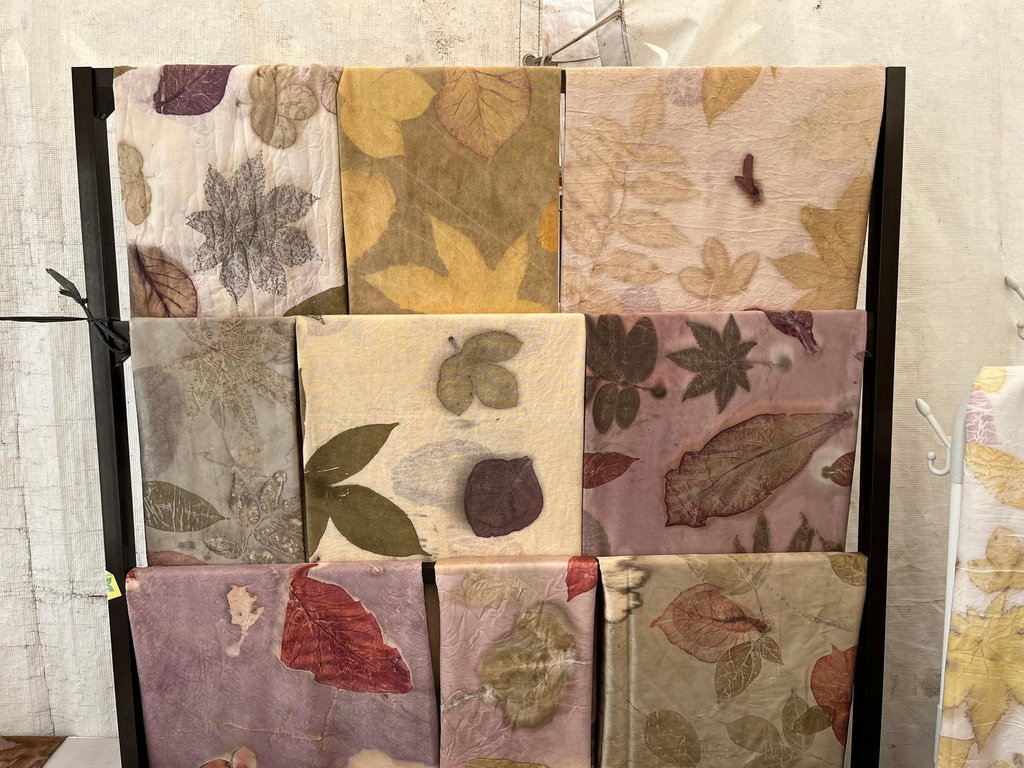
Plants produce different compounds that contribute to their natural colors. Understanding these compounds helps explain why some plants create yellow shades while others produce red, brown, purple, or green tones.
Here are some important categories:
Tannins
Tannins are naturally occurring compounds found in many roots, bark, leaves, and fruits. They are especially important in traditional dyeing because they can help certain dyes interact with textile fibers.
Flavonoids
Flavonoids are a large family of plant compounds. Some contribute yellow and cream-colored pigments, while others influence deeper shades.
Anthocyanins
These pigments are responsible for many red, purple, and blue colors found in flowers, fruits, and leaves. Their appearance can change depending on environmental conditions and acidity.
Carotenoids
Carotenoids contribute yellow, orange, and reddish colors. They occur naturally in plants such as carrots, marigolds, and other colorful botanical materials.
Understanding these compounds makes botanical dyeing more than an artistic activity. It becomes an interesting combination of plant science, chemistry, and traditional craftsmanship.
4. Popular Plants Used in Natural Dyeing
Some well-known examples include:
| Botanical material | Common color associations |
|---|---|
| Marigold flowers | Yellow and golden shades |
| Indigo leaves | Blue shades |
| Madder root | Red and orange shades |
| Walnut hulls | Brown shades |
| Onion skins | Yellow, orange, and copper tones |
| Pomegranate rinds | Yellow and tan shades |
| Tea leaves | Beige and brown shades |
These examples demonstrate the diversity of natural coloring materials. The results can vary depending on the plant variety, textile fiber, preparation, and dyeing conditions.
5. Understanding the Importance of Fabric Fibers
Not every fabric responds to natural dyes in the same way.
Natural fibers are generally popular in traditional botanical dyeing because their structures can interact with plant-based coloring compounds.
Cotton: Cotton is a plant-based cellulose fiber. It often requires appropriate preparation to achieve satisfactory dye absorption and color retention.
Wool: Wool is a protein fiber that can interact with many natural dye compounds. It is commonly used in traditional dyeing.
Silk: Silk is another protein fiber valued for its ability to display rich and delicate botanical colors.
Linen: Linen is made from flax and is frequently used in traditional textile crafts.
When selecting fabric for a botanical craft project, consider its fiber composition, texture, durability, and intended use.
6. The Role of Mordants in Natural Dyeing
A mordant is a substance used to help natural dyes attach to textile fibers and improve color retention.
Without suitable fixation, some botanical colors may fade quickly when exposed to washing, sunlight, or regular use.
Common mordants include:
- Alum: Often used to help produce brighter, clearer colors.
- Iron: Can darken colors and create earthy, muted shades.
- Plant tannins: Help prepare certain fibers for better dye absorption.
- Copper-based mordants: Historically used to modify certain shades, although their environmental and safety implications require careful consideration.
Mordants are not interchangeable, and different fibers require different preparation methods.
For beginners, it is best to follow an established textile-dyeing guide and avoid hazardous substances such as chromium-based mordants.
You can learn more about mordants and botanical dyeing through the Maiwa Guide to Natural Dyes.
7. Creative Ways to Use Botanical Colors in Crafts
Natural colors can be incorporated into many creative projects. Their subtle variations make handmade items visually distinctive.
Here are some popular applications:
1. Textile decoration
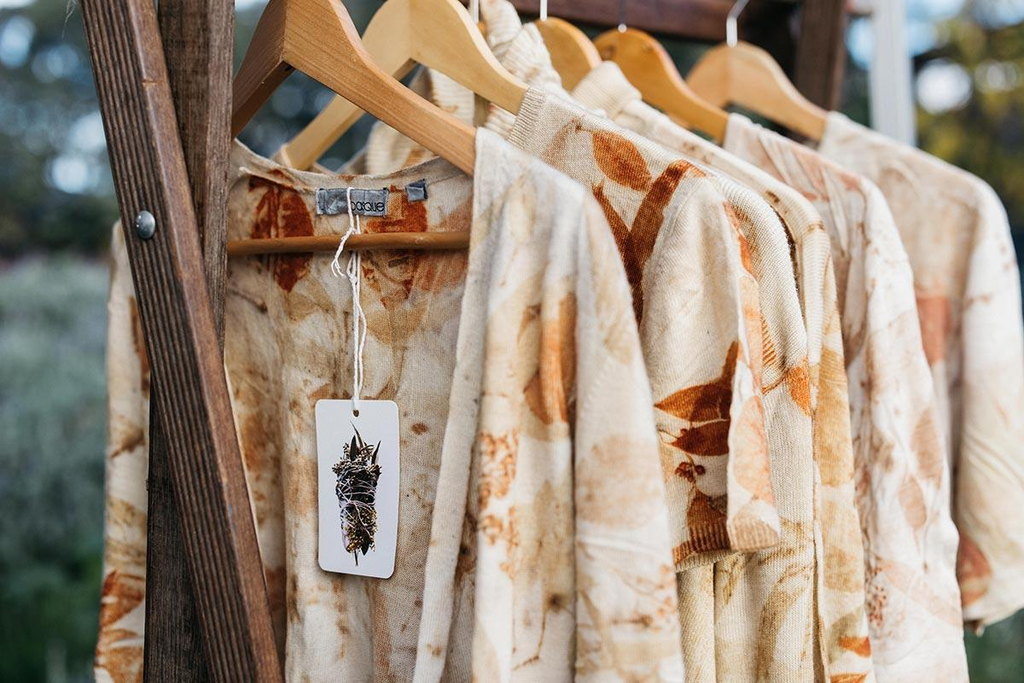
Botanical colors can be used in textile art, decorative fabrics, handmade scarves, and tablecloths. Natural variations create interesting patterns and textures.
2. Handmade paper
Some plant-based pigments can be incorporated into handmade paper projects, adding subtle colors and organic visual effects.
3. Eco-printing
Eco-printing involves transferring natural plant shapes and pigments onto fabric or paper. Leaves and flowers are arranged against a material to create decorative impressions.
4. Home decorations
Naturally colored fabrics can be incorporated into cushion covers, wall hangings, curtains, and other handmade decorations.
5. Artistic experiments
Artists can experiment with botanical pigments to understand how different plants produce different shades and how those colors interact with various materials.
8. Basic Steps for Exploring Botanical Dyeing
If you are new to botanical dyeing, start with well-documented materials such as onion skins, marigolds, or walnut hulls.
The following general process provides an introduction to traditional plant-based textile dyeing.
Step 1: Select your botanical material
Choose a plant material with documented dyeing properties. Research its pigment composition and suitability for the fiber you intend to color.
Step 2: Choose your fabric
Select a natural textile such as cotton, linen, silk, or wool. Different fibers have different dye absorption characteristics.
Step 3: Prepare the fabric
Textile preparation, often called scouring, removes oils, dirt, and manufacturing residues that may interfere with dye absorption.
Step 4: Learn about color fixation
Research the appropriate mordanting process for your selected plant material and textile. Follow established safety instructions when handling mordants.
Step 5: Evaluate the results
Observe the finished color, texture, and consistency. Record the plant species, fabric type, and materials used so you can compare future experiments.
Step 6: Allow the material to dry
Follow the care instructions for your particular textile and dye system.
Important botanical safety note: Not every plant traditionally associated with coloring is suitable for casual home dyeing. Hostilis mimosa root bark contains biologically active compounds, so its traditional botanical history should not be confused with an established recommendation for household textile processing. Do not consume dye materials, use dye equipment for food preparation, or handle unidentified botanical powders without appropriate safety information.
9. Why Natural Dyeing Is Gaining Attention
Natural dyeing offers several interesting benefits for modern crafts and textile enthusiasts.
Connection with traditional craftsmanship
Botanical dyeing preserves knowledge about plants, traditional materials, and historical textile practices.
Unique color variations
Unlike mass-produced colors, botanical dyes can produce subtle variations that give handmade textiles an individual appearance.
Creative exploration
Working with different plants encourages experimentation and a deeper understanding of natural materials.
Interest in renewable resources
Many botanical dye materials can be sourced from renewable plant resources or suitable agricultural by-products.
However, natural does not automatically mean environmentally harmless. Plant harvesting, water consumption, mordant selection, and wastewater disposal all affect the environmental impact of a dyeing project.
Responsible sourcing and safe processing are essential.
10. Understanding Quality and Responsible Botanical Sourcing
When researching botanical materials, quality and accurate identification matter.
This is particularly important when exploring plants such as Mimosa tenuiflora, which may be sold under different common names.
Consider the following factors when researching botanical materials:
- Scientific identification: Confirm the botanical name rather than relying exclusively on common names.
- Plant part: Determine whether the material is derived from the root, bark, leaves, flowers, or another part.
- Origin: Learn where the plant was harvested and whether sourcing practices are responsible.
- Storage: Botanical materials should be stored appropriately to protect them from moisture, contamination, and deterioration.
- Documentation: Reliable botanical suppliers should provide accurate descriptions of the material being offered.
At HostilisBark, botanical education is an important part of helping readers understand plant identification, botanical terminology, and the characteristics of different plant materials.
Readers interested in learning more can explore our educational resources on mimosa and other botanical subjects.
11. The Future of Botanical Colors and Handmade Crafts
The renewed interest in traditional crafts has created opportunities for further research into botanical pigments and plant-based textile technologies.
Researchers and textile artists continue to explore ways to improve color consistency, durability, and environmentally responsible dyeing methods.
There is also growing interest in combining traditional botanical knowledge with modern textile science.
For example, research into natural dyes has examined their potential applications in textile coloration and additional functional properties. However, results depend heavily on the specific plant compounds, textile materials, and processing methods.
As these techniques continue to develop, botanical colors will remain an interesting part of the relationship between nature, science, and creative expression.