Have you ever noticed that two batches of hostilis bark can have noticeably different colors, even when they are identified as the same botanical material? One batch may appear reddish-brown, another darker brown, while some samples may have greyish or lighter tones.
These differences can raise questions about botanical identity, harvesting conditions, storage, and overall quality.
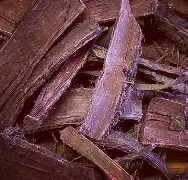
Mimosa hostilis, scientifically known as Mimosa tenuiflora, is a plant native to parts of the Americas. Its bark has been documented in botanical and pharmacognosy research, including studies examining its anatomy, chemical composition, and traditional uses. Researchers describe the bark as having naturally variable reddish-brown to grey coloration.
Understanding why these differences occur is important for anyone studying botanical materials. Rather than assuming that every batch should look identical, it is useful to understand the environmental and material-related factors that can influence appearance.
In this guide, we explore the main reasons hostilis bark may vary in color, what scientific research tells us, and why appearance should never be the only measure of botanical quality.
What Is Hostilis Bark?
Hostilis bark commonly refers to the bark of Mimosa tenuiflora, a tree or shrub in the Fabaceae family.
The plant is also known by several regional names, including:
- Mimosa hostilis
- Mimosa tenuiflora
- Tepescohuite
- Jurema-preta
Although the name Mimosa hostilis remains widely used in botanical commerce and older literature, Mimosa tenuiflora is the accepted scientific name.
One interesting characteristic is that the bark does not always have one uniform shade. Its appearance can differ between specimens and commercial batches.
What Color Is Mimosa Hostilis Bark Naturally?
Published botanical descriptions characterize Mimosa tenuiflora bark as reddish-brown to grey. It may also have a wrinkled exterior and fibrous texture.
This means that natural color variation is not necessarily unusual.
Depending on the particular specimen and the condition of the material, observers may describe its appearance as:
- Reddish-brown
- Dark brown
- Medium brown
- Greyish-brown
- Uneven brown tones
These descriptions are visual observations, not official grades or proof of authenticity.
It is also important to distinguish the outer bark from other plant tissues. Different tissues naturally have different structures and appearances.
A photograph showing one particular shade should therefore not be treated as the universal color standard for every genuine sample.
7 Reasons Hostilis Bark Color Can Vary Between Batches
There is no single explanation for every color difference. Several botanical, environmental, and post-harvest factors may contribute.
1. Natural Differences Between Individual Plants
Plants belonging to the same species are not necessarily identical.
Individual trees can differ in age, growth conditions, physical characteristics, and other biological features.
These differences may influence the appearance and composition of their bark.
Consequently, a small difference in color between two botanical specimens does not automatically establish that they are different species or that one is inferior.
2. Growing Region and Environmental Conditions
The environment in which a plant develops can influence its growth and physical characteristics.
Environmental differences may include:
- Rainfall patterns
- Soil characteristics
- Temperature
- Sun exposure
- Seasonal conditions
- Local ecological conditions
These factors can influence plant development and may contribute to differences in bark properties.
However, it would be inaccurate to claim that a particular color proves the bark came from a specific country, region, or soil type.
3. Age and Development of the Plant
The age and developmental stage of a tree can influence the physical characteristics of its bark.
As woody plants mature, their outer protective tissues undergo structural changes. Bark can become more pronounced in texture, develop additional surface features, and differ in appearance from younger plant material.
For this reason, differences between samples may partly reflect differences in the maturity of the source plants.
Color alone, however, cannot establish the age of a tree or determine when its bark was collected.
4. Differences in the Plant Part
Another important consideration is the distinction between stem bark and root bark.
These terms describe different anatomical parts of a plant.
Different plant parts should not automatically be expected to have identical appearances.
When evaluating botanical descriptions or comparing research samples, it is important to check which plant part the study actually investigated.
5. Harvesting and Collection Conditions
The timing and circumstances of botanical collection can influence the condition of harvested material.
Research into tannin-rich tree bark has identified collection period, tree characteristics, and collection location as possible sources of variation in measured bark properties.
Collection records are therefore useful when comparing different batches.
A responsible supplier should be able to provide relevant information about the botanical identity and source documentation of the material.
It is important not to assume that color differences alone reveal when or how a sample was collected.
6. Drying and Storage Conditions
Post-harvest handling can affect the appearance of many botanical materials.
Exposure to moisture, heat, light, air, and unsuitable storage conditions may contribute to physical changes over time.
For example, oxidation can alter the appearance of some plant constituents. Moisture exposure may also create quality concerns, particularly if the material is stored improperly.
However, a darkened sample cannot automatically be classified as oxidized, contaminated, or degraded based on appearance alone.
Reliable assessment requires considering storage records, physical condition, and appropriate quality checks.
7. Processing and Preparation Differences
Botanical materials may pass through different preparation and handling processes before reaching their final form.
Differences in processing can influence the physical appearance of plant materials.
For example, whole bark, fragmented bark, and powdered botanical material are not visually identical forms.
It is therefore important to compare like with like. A whole-bark sample should not be judged against a powder sample using the same visual expectations.
Processing information should be considered alongside botanical identity and quality documentation.
Does Darker Hostilis Bark Mean Better Quality?
This is one of the most common questions surrounding naturally variable botanical materials.
The short answer is no: darker color alone does not establish better quality.
Likewise, lighter-colored material should not automatically be considered poor quality.
A visual characteristic is only one part of botanical assessment.
A more reliable evaluation considers several factors:
- Correct botanical identification
- Confirmation of the plant part
- Supplier traceability
- Appropriate batch documentation
- Physical condition
- Relevant quality testing
- Evidence of contamination or deterioration
What Role Do Tannins Play in Mimosa Hostilis Bark?
Tannins are naturally occurring plant compounds found in many tree barks, leaves, fruits, and other botanical materials.
Tannins are part of a larger group of plant compounds called polyphenols.
They have attracted scientific interest because of their chemical properties and potential applications in different areas of research.
However, the presence of tannins does not mean that the color of a particular batch can be used to estimate its tannin content.
Two samples that appear similar may have different chemical profiles, while visibly different samples may share some chemical characteristics.
Laboratory analysis is needed when reliable compositional information is required.
How Can Botanical Quality Be Evaluated Beyond Color?
A more informed approach to evaluating hostilis bark involves combining botanical documentation with suitable quality-control procedures.
Botanical identification
The scientific name should be clearly stated.
This helps distinguish the intended plant from other species that may have similar common names.
Plant-part documentation
The supplier should specify whether the material is stem bark, root bark, or another plant part.
This distinction matters when comparing descriptions, studies, and specifications.
Batch traceability
Batch information helps connect a sample to its supplier records and relevant documentation.
It also makes quality investigations easier if inconsistencies arise.
Appropriate laboratory documentation
Depending on the intended application, a qualified laboratory may assess botanical identity, contaminants, microbial quality, or other relevant characteristics.
The tests selected should be appropriate to the product and its intended use.
A certificate of analysis should clearly identify the sample, batch, tests performed, and reported results. A document that simply states that a product is “tested” without meaningful supporting information is less useful.
Batch consistency is important in botanical supply chains because natural raw materials can vary.
Even when materials are correctly identified as belonging to the same species, their physical and chemical characteristics may not be identical.
Consistency therefore requires more than expecting every sample to have the same color.
A responsible quality-management approach should focus on:
- Accurate botanical naming
- Clear plant-part descriptions
- Traceable batch records
- Suitable testing procedures
- Proper storage documentation
- Honest product descriptions
A supplier should avoid presenting natural variation as proof of superior quality.
Similarly, customers should be cautious about claims that a particular shade guarantees authenticity, purity, or effectiveness.
Common Misconceptions About Hostilis Bark Color
Misconception 1: Every genuine batch must have the same shade
Not necessarily. Published botanical descriptions recognize reddish-brown to grey coloration, and natural materials can vary.
Misconception 2: Darker bark is always more authentic
Color alone cannot confirm botanical identity.
Misconception 3: Lighter bark is always inferior
A lighter appearance does not automatically indicate poor quality or contamination.
Misconception 4: Color reveals the exact place of origin
A particular shade cannot reliably establish the country, region, or growing conditions of a sample.
Misconception 5: Visual inspection replaces laboratory testing
Visual inspection can identify obvious physical concerns, but it cannot replace appropriate botanical authentication or quality testing.