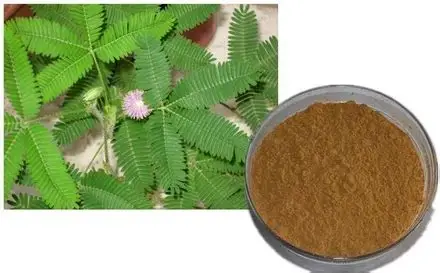
Tenuiflora powder is a botanical powder made from the dried and ground bark of Mimosa tenuiflora, a tree native to parts of Central and South America. Also known by names such as tepezcohuite, Jurema Preta, and Mimosa hostilis, this plant has a long history of traditional use and has attracted scientific interest because of its natural chemical constituents. Tenuiflora powder is particularly associated with traditional skin care practices, botanical research, and the development of certain cosmetic products.
Understanding what this powder is, how it is produced, and what it is commonly used for helps consumers make informed decisions about botanical materials.
What Is Tenuiflora Powder?
Tenuiflora powder is produced by drying and grinding the bark of the Mimosa tenuiflora tree into a fine or coarse powder. Depending on the product, the raw material may come from the root bark or stem bark. These materials should not automatically be considered interchangeable because their composition and intended uses may differ.
The plant belongs to the Fabaceae family, which includes many trees, shrubs, and legumes. It grows in a range of tropical and subtropical environments and is particularly well known in Mexico and parts of Brazil.
The name Mimosa tenuiflora is frequently associated with Mimosa hostilis in botanical and commercial references. Tepezcohuite is another commonly used name, especially in Mexico, where the bark has a history of traditional topical use.
The exact properties of a particular powder depend on factors such as the plant part used, growing conditions, processing methods, storage, and product purity.
How Is Tenuiflora Powder Made?
The general production process involves several stages that influence the quality and consistency of the final product.
1. Harvesting the bark
Bark is collected from correctly identified plants. Responsible harvesting practices are important because excessive removal of bark can damage or kill a tree.
2. Cleaning and preparation
The collected material is inspected and cleaned to remove soil, debris, and other unwanted materials. Proper handling helps reduce contamination.
3. Drying
The bark is dried under controlled conditions to reduce moisture. Inadequate drying or poor storage can encourage mold growth and deterioration.
4. Grinding
Once dried, the bark is ground into a powder. The resulting texture may range from relatively coarse particles to a finer consistency, depending on the processing equipment.
5. Packaging and storage
The powder should be stored in a clean, dry, sealed container and protected from excessive moisture, heat, and direct sunlight. Reliable suppliers should be able to provide information about botanical identity, processing, and quality controls.
A powder’s color or texture alone cannot establish its authenticity, purity, or safety.
What Is Tenuiflora Powder Commonly Used For?
Tenuiflora powder has several traditional and research-related contexts. Its uses should be distinguished from medical benefits that have been conclusively established.
1. Traditional skin care practices
One of the best-known historical uses of Mimosa tenuiflora bark is its application in traditional skin care practices, particularly in Mexico. The bark has historically been dried, powdered, or incorporated into preparations used for burns and superficial skin injuries.
This traditional history has contributed to the plant’s reputation as tepezcohuite, sometimes described as the skin tree.
However, traditional use does not prove that raw bark powder is a safe or effective treatment for wounds. Serious burns, open wounds, and infected skin require appropriate medical care. Raw botanical powder should not be applied to damaged skin without qualified medical advice.
2. Cosmetic ingredient research
Researchers and cosmetic formulators have investigated Mimosa tenuiflora bark and its extracts for their potential use in skin-conditioning products.
The bark contains several classes of naturally occurring compounds, including tannins, saponins, and other plant constituents. Researchers have studied some of these substances for their biological activities.
It is important to distinguish the raw powder from a formulated cosmetic product. An extract that has been tested under controlled conditions is not necessarily equivalent to untreated bark powder.
For consumers interested in botanical cosmetics, ingredient identity, formulation, product testing, and intended use are all important considerations.
3. Botanical and phytochemical research
Tenuiflora powder may be of interest to researchers studying plant chemistry, ethnobotany, and the traditional uses of medicinal plants.
Scientific investigations have examined compounds found in the bark and explored possible biological activities. Such studies can help researchers understand the plant’s chemical profile and identify questions for further investigation.
Nevertheless, findings from laboratory experiments do not automatically demonstrate that the raw powder produces the same effects in humans.
4. Ethnobotanical and cultural studies
Mimosa tenuiflora has cultural significance in several regions of Latin America. Its common names, traditional applications, and relationship with local plant knowledge make it relevant to ethnobotanical research.
Studying these traditions can provide insight into how communities have historically identified, prepared, and used plants. Traditional knowledge should be presented respectfully and distinguished from modern clinical evidence.
What Natural Compounds Are Found in Tenuiflora Powder?
The chemical composition of Mimosa tenuiflora bark is complex. Research has reported several groups of compounds, including:
- Tannins: Plant polyphenols that can interact with proteins and contribute to the astringent characteristics of some botanical materials.
- Saponins: Naturally occurring compounds found in many plants and investigated for a range of biological activities.
- Other phytochemicals: The bark has also been reported to contain additional constituents, including certain lipids, phytosterols, and other specialized plant compounds.
The amounts of these substances can vary according to the source material and processing conditions. Their presence does not, by itself, establish a specific health benefit.
Another important consideration is that Mimosa tenuiflora can contain N,N-dimethyltryptamine (DMT), a psychoactive controlled substance in many jurisdictions. The presence and concentration of such compounds depend on the plant material and preparation. Consumers should not assume that an unidentified botanical powder is chemically characterized or free from controlled substances.
Tenuiflora Powder vs. Mimosa Tenuiflora Bark
These terms are closely related but describe different forms of the botanical material.
Mimosa tenuiflora bark refers to the bark itself, whether supplied as larger pieces, chips, or another unground form.
Tenuiflora powder generally refers to bark that has been dried and ground into smaller particles.
The main difference is physical form rather than botanical identity. Grinding can make a material easier to measure or incorporate into a suitable research or cosmetic formulation, but it does not automatically improve its quality or make it safer.
It is also important to check whether a supplier is offering root bark, stem bark, or a processed extract. These products can differ substantially in composition and intended use.
How Can You Evaluate the Quality of Tenuiflora Powder?
Anyone evaluating a botanical powder should consider more than appearance or price.
Check the botanical identification
Look for the scientific name, Mimosa tenuiflora, and clear information about which part of the plant was used.
Ask about sourcing
A transparent supplier should be able to explain where the material comes from and how it is harvested and processed.
Review quality documentation
Where appropriate, request information about identity testing, microbial contamination, heavy metals, pesticide residues, and other relevant quality parameters.
Examine packaging and storage information
Packaging should protect the powder from moisture and contamination. Clear labeling should include appropriate handling instructions and the intended use.
Avoid unsupported claims
Claims that a powder can cure burns, heal every skin condition, or provide guaranteed medical results should be treated cautiously. Neither a natural origin nor a long history of traditional use guarantees safety or effectiveness.
Safety Considerations Before Using Tenuiflora Powder
Natural botanical products can have risks, and the safety of a specific product depends on its composition and intended use.
- Do not assume raw powder is suitable for ingestion, brewing, or application to open wounds.
- Do not use unidentified botanical materials for self-treatment of burns, infections, or other medical conditions.
- Avoid inhaling fine powder, which may irritate the respiratory tract.
- Keep the material away from children and pets.
- Check local laws and regulations before purchasing, possessing, importing, or transporting products made from this plant, particularly because some preparations may contain controlled substances.
- Seek advice from a qualified healthcare professional before considering a botanical product for a medical or skin-related purpose.