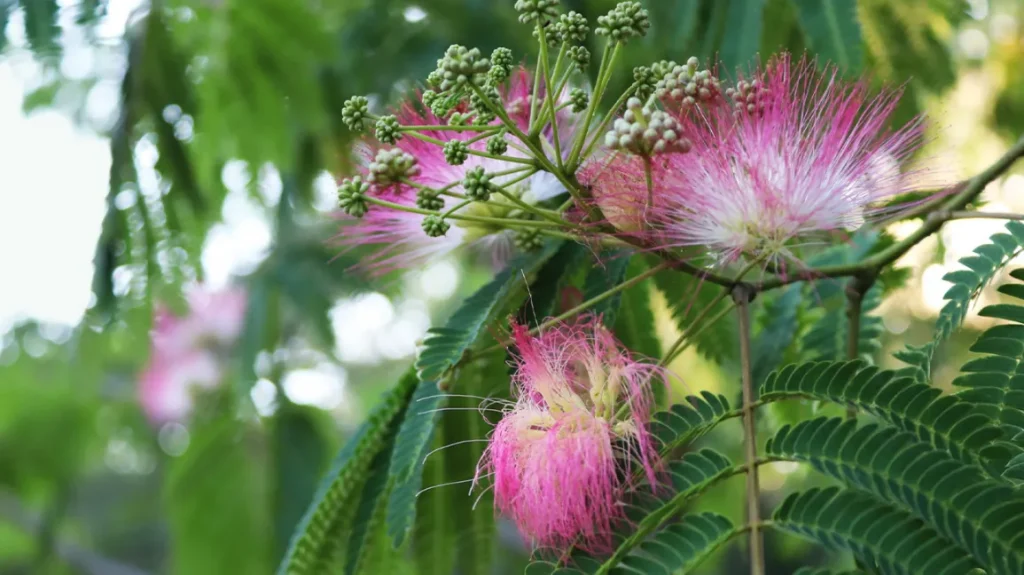
The phrase tenuiflora tepezcohuite brings together two names associated with a distinctive tropical tree: Mimosa tenuiflora, its botanical name, and tepezcohuite, a common name used particularly in Mexico. The tree has attracted attention for its rugged bark, traditional applications, and place in regional botanical knowledge.
Often described as a plant with a long history in traditional skincare, tepezcohuite is also an important subject for botanical research. Understanding the tree itself helps explain why its bark became well known and why scientists continue to investigate its composition.
This guide explores the identity of the tepezcohuite tree, where it grows, how its bark is described, its traditional uses, and what scientific research can—and cannot—tell us about its skincare reputation.
1. What Is Tenuiflora Tepezcohuite?
Tepezcohuite is a common name associated with Mimosa tenuiflora, a woody member of the legume family, Fabaceae. Depending on its environment, the species may grow as a shrub or a small tree.
The name Mimosa hostilis is also frequently encountered in older botanical references and commercial descriptions. For botanical accuracy, it is useful to check the accepted scientific name and its synonyms in a recognized plant database.
Tepezcohuite is particularly associated with Mexico, where the bark has a history of traditional use. The plant is also native to other parts of the Americas, including northeastern Brazil, where it is commonly known as Jurema Preta.
Botanical profile
- Accepted botanical name: Mimosa tenuiflora (Willd.) Poir.
- Common name: Tepezcohuite
- Other name: Jurema Preta; Mimosa hostilis is a widely used synonym
- Plant family: Fabaceae, the legume family
- Growth form: Woody shrub or small tree
- Native range: Parts of Mexico, Central America, and South America
- Botanical features: Compound leaves, small clustered flowers, woody stems, and seed-bearing fruits
The common name tepezcohuite does not, by itself, guarantee that a product contains correctly identified Mimosa tenuiflora. Scientific naming and reliable sourcing are important when researching plant materials.
2. Where Does the Tepezcohuite Tree Grow?
The tepezcohuite tree is associated with tropical and subtropical regions of the Americas. It occurs in environments that can experience seasonal changes in rainfall, including dry woodland, scrubland, and disturbed areas.
Its ability to grow under challenging conditions has made the species interesting to botanists and ecologists.
Natural growing conditions
The tree’s development is influenced by several environmental factors:
Climate: Warm conditions generally support growth. Local rainfall patterns and seasonal temperature changes influence how the plant develops.
Soil: Soil structure, drainage, and nutrient availability can affect establishment and growth. Conditions vary across its native range.
Sunlight: Light availability influences the development of foliage and branches, particularly in open habitats.
Water: Young plants may be more sensitive to water availability than established woody specimens. Seasonal dryness can influence growth and leaf development.
Although tepezcohuite is associated with Mexico, the species has a broader native distribution. Its presence in different regions is one reason botanical identification should rely on scientific references rather than geographical assumptions alone.
3. How to Recognize the Tepezcohuite Tree
Identifying the Tenuiflora Tepezcohuite involves examining its overall growth habit, leaves, flowers, fruits, and bark.
Growth habit
Mimosa tenuiflora can form a woody shrub or small tree with branching stems. Its shape may vary according to local conditions, plant age, and environmental disturbance.
Leaves
The tree produces compound leaves divided into numerous small leaflets. This finely divided foliage is characteristic of many members of the genus Mimosa.
Flowers
Its small flowers grow in compact clusters. Examining the arrangement of flowers alongside the leaves and fruit can help distinguish the species from related plants.
Bark
The bark of mature plants is woody and may appear brown or dark brown. Its texture and color can vary according to the age of the tree and the growing environment.
Dried bark sold commercially may look different from bark on a living specimen. Color, smell, or texture alone cannot establish botanical authenticity.
Fruits and seeds
As a legume, the plant produces seed-bearing fruits. Botanical identification is more reliable when several characteristics are considered together rather than relying on a single visible feature.
For research or formal identification, consult botanical descriptions and authenticated specimens.
4. Why Is Tenuiflora Tepezcohuite Bark Traditionally Important?
Tepezcohuite is especially recognized for the traditional use of its bark in Mexico. The bark has been associated with external applications for skin injuries and burns, contributing to the plant’s reputation in traditional skincare.
This history is part of ethnobotany—the study of how people understand, use, and relate to plants in their cultural and practical lives.
Traditional plant knowledge can provide valuable questions for scientific investigation. However, a historical application does not automatically establish that a modern product is effective, safe, or suitable for every type of skin concern.
Bark and botanical composition
Plant bark contains structural tissues that protect the woody stem. It can also contain naturally occurring chemical compounds, whose amounts may vary depending on the species, plant part, growing conditions, and processing.
Researchers have investigated the chemical composition of Mimosa tenuiflora bark, including compounds such as tannins and other constituents of botanical interest.
The presence of a compound does not, on its own, demonstrate a particular health benefit. Its concentration, biological activity, method of extraction, and safety must all be considered.
5. Tepezcohuite and Skincare: Tradition Versus Scientific Evidence
Tepezcohuite is frequently discussed in skincare because of its traditional association with skin injuries and its use in some cosmetic products.
It is important to separate three different kinds of information:
- Traditional knowledge: Historical and regional accounts of how communities have used the plant.
- Laboratory research: Investigations of plant extracts, chemical constituents, or biological activity under controlled conditions.
- Clinical evidence: Studies involving people that assess whether a specific preparation is safe and effective for a defined purpose.
These forms of evidence answer different questions. A laboratory result cannot automatically establish that a cream containing the same plant will produce the same effect on human skin.
What about claims of skin regeneration?
Tepezcohuite is sometimes promoted with claims about skin regeneration, wound healing, burns, or scar improvement. These claims should be evaluated carefully.
Research into botanical constituents may provide a basis for further study, but the effectiveness of a particular tepezcohuite product depends on its formulation, concentration, quality, and intended use.
Consumers should not assume that a product is proven to treat burns, wounds, eczema, or other medical conditions simply because it contains tepezcohuite.
For serious burns, open wounds, persistent skin irritation, or signs of infection, professional medical assessment is more appropriate than relying on an unverified botanical preparation.
6. Tepezcohuite in Modern Botanical and Cosmetic Research
The continued interest in tepezcohuite illustrates how traditional plant knowledge can lead to scientific questions.
Researchers may examine:
- The plant’s chemical composition
- Differences between bark, leaves, and other plant parts
- How extraction and processing affect botanical constituents
- The safety of particular preparations
- Whether specific cosmetic formulations have measurable effects
These questions require careful experimental methods. Findings from one extract or formulation should not be generalized to all tepezcohuite products.
A useful way to approach botanical research is to ask exactly what was studied: Which plant species? Which part? What preparation? At what concentration? Was the research conducted in a laboratory, on animals, or in human participants?
Such details help readers distinguish promising preliminary findings from established evidence.
7. Tepezcohuite, Mimosa Tenuiflora, and Mimosa Hostilis: Are They the Same?
The names tepezcohuite, Mimosa tenuiflora, and Mimosa hostilis are often connected in botanical and commercial literature.
The scientific name is the most useful starting point because common names can differ between regions and may sometimes be applied inconsistently.
Mimosa tenuiflora is the accepted name used by major botanical databases, while Mimosa hostilis is widely listed as a synonym.
The name tepezcohuite is particularly associated with the plant in Mexico. Jurema Preta is a common name associated with it in Brazil.
When comparing articles, products, or scientific studies, check the botanical name rather than assuming that every material sold under a familiar common name is the same species.
8. Responsible Sourcing and Botanical Identification
People researching tepezcohuite should pay attention to the identity and origin of plant materials.
Useful information may include:
- The botanical name and any listed synonyms
- The plant part used in a product
- The country or region of origin, where known
- Whether the material is raw, dried, powdered, or formulated
- Any available quality or testing information relevant to the intended use
A supplier’s use of the word “tepezcohuite” is not a substitute for reliable identification. Likewise, a particular bark color or texture cannot independently establish species identity.
For botanical research, traceable sourcing and accurate labeling are more useful than relying on appearance alone.
9. Safety Considerations
Natural botanical ingredients are not automatically safe for every person or application. The safety of tepezcohuite depends on the material, preparation, concentration, route of exposure, and individual circumstances.
Keep the following considerations in mind:
- Do not use unverified bark or extracts to treat serious burns, wounds, or medical conditions.
- Avoid applying unidentified or contaminated plant materials to damaged skin.
- Check cosmetic product labels and follow the manufacturer’s intended-use instructions.
- Stop using a product if it causes irritation or an adverse reaction.
- Seek advice from a qualified healthcare professional for persistent skin symptoms or before using botanical products in situations where safety is uncertain.
Traditional use, laboratory research, and clinical safety evidence should be evaluated separately.
10. Frequently Asked Questions About Tenuiflora Tepezcohuite
What is tenuiflora tepezcohuite?
Tepezcohuite is a common name associated with the tree Mimosa tenuiflora. The plant is known for its woody bark and traditional use in Mexico.
What is the scientific name of tepezcohuite?
The accepted botanical name is Mimosa tenuiflora (Willd.) Poir. The name Mimosa hostilis is also widely used as a synonym.
Why is tepezcohuite associated with skincare?
The bark has a history of traditional external use for skin injuries in Mexico. Its traditional reputation has contributed to modern cosmetic interest, but individual products still require evidence of safety and effectiveness.
Is tepezcohuite proven to heal burns or wounds?
Traditional use does not establish clinical effectiveness. Claims about treating burns or wounds should be supported by appropriate clinical evidence for the specific preparation. Serious injuries need professional medical care.
Does tepezcohuite come only from Mexico?
No. The species Mimosa tenuiflora is native to a broader region of the Americas, including parts of Central America and South America. Tepezcohuite is a regional common name particularly associated with Mexico.
Is tepezcohuite the same as Mimosa hostilis?
The names are commonly associated with the same species. For botanical accuracy, verify the accepted name and synonyms in a reputable plant database.
Conclusion: Understanding the Tenuiflora Tepezcohuite Tree
Tenuiflora tepezcohuite is an interesting botanical subject because it connects plant identification, regional history, traditional knowledge, and modern scientific research.
The tree Mimosa tenuiflora has a broad natural distribution and a distinctive place in Mexican traditional skincare history. Its bark has attracted scientific and cosmetic interest, but traditional reputation should not be mistaken for proof that every product provides a particular medical benefit.
Understanding the botanical identity of tepezcohuite, the difference between traditional use and clinical evidence, and the importance of responsible sourcing allows readers to approach this plant with curiosity and care.