Introduction
If you are researching Mimosa Hostilis bark vs powder, one of the first questions you may have is whether there is a real difference between the two forms.
The short answer is that both products originate from the same botanical material, but they differ mainly in how they are processed, their physical appearance, how easy they are to inspect, and how they should be stored and handled.
Mimosa Hostilis is a commonly used name for Mimosa tenuiflora (Willd.) Poir. Botanical references such as the Royal Botanic Gardens, Kew’s Plants of the World Online recognize Mimosa tenuiflora as the accepted scientific name and list Mimosa hostilis as a synonym.
Commercially, the material is commonly offered as:
- Whole bark pieces
- Shredded bark
- Coarsely ground bark
- Fine powder
Understanding the differences between these forms can help buyers choose the product that best matches their intended lawful use, whether for botanical collections, natural-material projects, educational purposes, or craft applications.
What Is Mimosa Hostilis Bark?
Mimosa Hostilis bark refers to dried bark material from Mimosa tenuiflora.
Depending on the supplier, it may be sold as:
- Larger pieces
- Thin strips
- Chips
- Shredded fibers
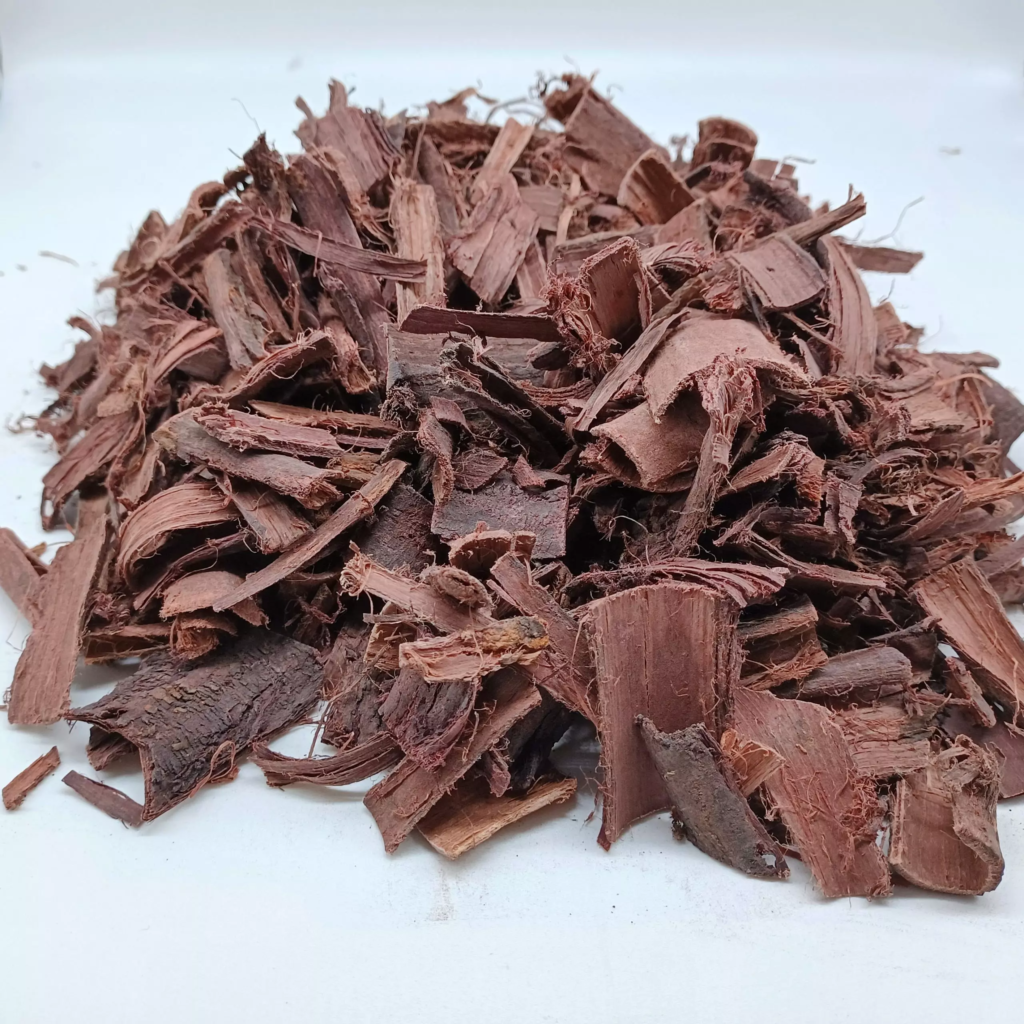
The bark generally retains more of its original physical structure than powdered material.
Because of this, buyers can often visually inspect:
- Bark texture
- Fiber structure
- Natural color variation
- Presence of foreign material
This makes bark an attractive choice for people who prefer to examine the raw botanical material before using it for a lawful application.
How to Identify Quality Mimosa Hostilis Root Bark” to your quality guide
What Is Mimosa Hostilis Powder?
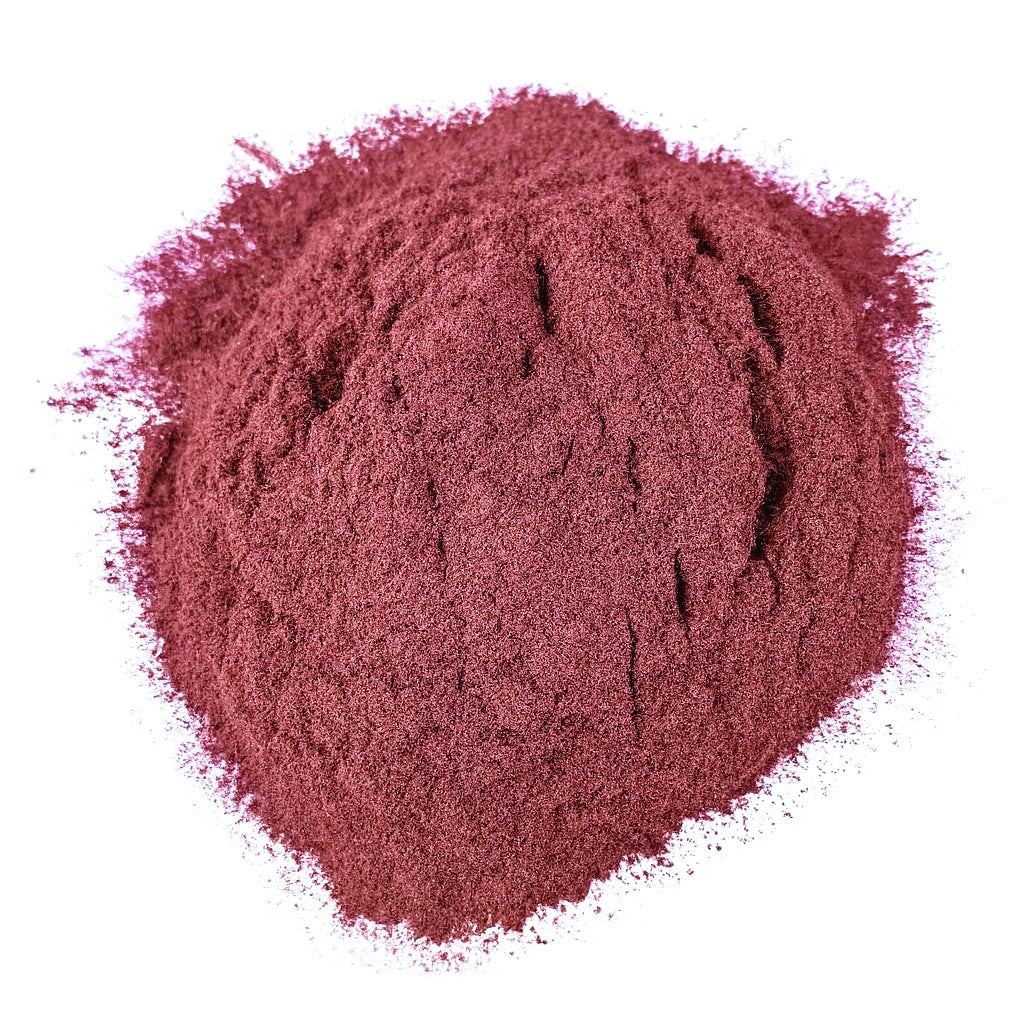
Mimosa Hostilis powder is the same dried botanical material after it has been ground into much smaller particles.
The powder may range from:
- Coarsely ground
- Medium grind
- Fine powder
depending on the supplier’s processing method.
Powder has a much more uniform appearance than shredded bark and is generally easier to measure and handle for applications where a consistent particle size is useful.
However, because the original bark structure is no longer visible, it is more difficult for a buyer to inspect the raw material visually.
For that reason, purchasing powder from a transparent supplier becomes especially important.
Mimosa Hostilis Bark vs Powder: Quick Comparison
| Feature | Bark | Powder |
|---|---|---|
| Botanical source | Same | Same |
| Physical form | Pieces or shredded fibers | Fine particles |
| Easy to visually inspect | Yes | Less so |
| Processing level | Lower | Higher |
| Storage | Dry, sealed | Dry, tightly sealed |
| Handling | More fibrous | More uniform |
| Packaging importance | Important | Especially important |
| Moisture sensitivity | Moderate | Higher surface area |
The most important point is that bark and powder are different physical forms of the same botanical material.
1. Appearance
Bark
Bark usually has a natural, fibrous appearance.
Depending on origin and processing, colors may include:
- Tan
- Brown
- Reddish brown
- Dark brown
- Reddish-purple tones
Natural variation between batches is normal.
Powder
Powder appears much more uniform because the bark has been ground.
Its color may also vary naturally depending on:
- The original bark
- Grind size
- Processing
- Storage
- Age of the material
A different shade does not automatically mean that one product is better than another.
2. Processing
One of the biggest differences between bark and powder is the amount of processing involved.
Bark
Bark usually undergoes steps such as:
- Harvesting
- Cleaning
- Drying
- Cutting or shredding
- Packaging
Powder
Powder generally goes through the same initial stages, followed by:
- Grinding
- Screening for particle size
- Packaging
Because powder undergoes an additional grinding step, buyers should pay particular attention to how the supplier describes its processing and quality-control practices.
how Mimosa Hostilis root bark is processed” to your processing article
3. Ease of Inspection
This is one of the most practical differences.
Bark is easier to inspect
With shredded or whole bark, you can often see:
- Bark fibers
- Pieces of the original material
- Foreign objects
- Excessive debris
- Signs of poor processing
Powder is harder to inspect
Once the material has been ground, the original structure is no longer visible.
This means buyers rely more heavily on:
- Supplier reputation
- Product labeling
- Batch information
- Botanical identification
- Packaging quality
- Transparency about sourcing
For many buyers, this is one of the main advantages of choosing bark over powder.
4. Storage Differences
Both forms should be stored carefully.
Bark
Bark should generally be kept:
- Dry
- Sealed
- Away from direct sunlight
- Away from excessive heat
- Protected from moisture
Powder
Powder requires similar conditions but deserves extra attention because its fine particles have a larger total surface area exposed to the environment.
That means it can be more susceptible to:
- Humidity
- Clumping
- Moisture absorption
A properly sealed container is particularly important.
How to Store Mimosa Hostilis Root Bark Powder” to your storage guide.]
5. Handling
Bark
Bark is generally:
- More fibrous
- Less dusty
- Easier to distinguish as plant material
- More visibly natural
Powder
Powder is generally:
- More uniform
- Easier to portion for applications requiring measured quantities
- More prone to becoming airborne if handled carelessly
- More likely to clump if exposed to humidity
The choice often comes down to personal preference and the requirements of the intended lawful application.
6. Packaging
Packaging is important for both forms.
A reputable supplier should package botanical materials in a way that helps protect them from:
- Moisture
- Dirt
- Contamination
- Damage during shipping
For powder, packaging becomes even more important because the material is finely ground.
Look for:
- Clean packaging
- Proper seals
- Clear labels
- Batch information where available
- Product name
- Scientific name when possible
Which Form Is Easier to Verify?
If your priority is visually checking the botanical material before purchase or use, bark generally has the advantage.
The visible fibers and bark pieces make it easier to assess whether the material looks like properly processed plant bark.
Powder offers convenience and consistency, but it requires greater confidence in the supplier because visual verification is more limited.
This is why it is helpful to read a detailed quality guide before purchasing.
[
Is Bark Better Than Powder?
Neither form is automatically “better.”
They simply serve different preferences.
Choose bark if you prefer:
- Less processing
- Easier visual inspection
- Visible natural structure
- Fibrous plant material
Choose powder if you prefer:
- Uniform particle size
- Easier handling for certain applications
- More compact storage
- A finely processed botanical material
The quality of the product depends much more on:
- Correct botanical identity
- Clean processing
- Proper drying
- Good packaging
- Appropriate storage
- Supplier transparency
than on whether it is bark or powder.
How to Identify a Quality Product
Whether you purchase bark or powder, look for the following information.
Correct botanical identification
The product should identify the plant as Mimosa tenuiflora, with Mimosa Hostilis listed as a common or historical name where appropriate.
Plant part
The listing should clearly state what part of the plant the material comes from.
Product form
The supplier should explain whether the material is:
- Whole
- Shredded
- Coarsely ground
- Fine powder
Origin
A reputable supplier should be transparent about the stated country or region of origin.
Processing
Look for information about cleaning, drying, grinding, and packaging.
Storage recommendations
How to Identify Quality Mimosa Hostilis Root Barkh
Common Questions About Bark and Powder
Is Mimosa Hostilis bark the same as powder?
They come from the same botanical material, but powder has been ground into much smaller particles.
Does powder come from shredded bark?
In many commercial processing systems, bark is first dried and reduced in size before being ground into powder, although exact processing methods vary by supplier.
Is bark easier to inspect than powder?
Yes. Because bark retains more of its original structure, it is generally easier to visually inspect.
Does powder need different storage?
The same basic storage principles apply, but powder should be kept especially well sealed because fine particles can absorb moisture more readily.
Which lasts longer?
Shelf life depends more on factors such as drying, packaging, storage conditions, humidity, and supplier specifications than on whether the material is bark or powder.
Frequently Asked Questions
What is the main difference between Mimosa Hostilis bark and powder?
The primary difference is physical form. Bark retains visible pieces or fibers, while powder has been ground into fine particles.
Is Mimosa Hostilis powder more processed?
Yes. Powder typically undergoes an additional grinding step after the bark has been cleaned and dried.
Which is easier to store?
Both are straightforward to store if kept dry, sealed, and away from heat and direct sunlight. Powder benefits from particularly airtight packaging.
Which is easier to inspect?
Bark is generally easier to inspect because the original plant structure remains visible.
Does color determine quality?
No. Natural color can vary between batches due to origin, processing, and storage. Quality should be assessed using multiple factors rather than color alone.
Final Thoughts
When comparing Mimosa Hostilis bark vs powder, the most important thing to understand is that they are simply different physical forms of the same botanical material.
Bark retains more of its natural structure and is easier to inspect visually, while powder offers a more uniform and finely processed form that is convenient for applications requiring consistent particle size.
Neither form is inherently superior. The better choice depends on your preference and intended lawful use.
Regardless of which form you choose, focus on:
- Accurate botanical identification
- Transparent sourcing
- Clean processing
- Good packaging
- Proper storage
- A reputable supplier
By evaluating these factors together, you can make a much more informed decision than simply choosing between bark and powder based on appearance alone.