Mimosa Hostilis, scientifically known as Mimosa tenuiflora, is one of the most fascinating trees native to the tropical and semi-arid regions of the Americas. For centuries, this resilient species has played an important role in local ecosystems and traditional cultures, earning recognition for its durability, rapid growth, and versatile botanical characteristics.
Today, interest in Mimosa tenuiflora root bark powder continues to grow among researchers, artisans, and individuals interested in natural botanical materials. Understanding the plant’s history provides valuable insight into why it has remained significant for generations.
The Origins of Mimosa Hostilis
Mimosa Hostilis belongs to the Fabaceae (legume) family and is indigenous to parts of northeastern Brazil, southern Mexico, El Salvador, Honduras, Venezuela, and other regions of Central and South America.
The tree thrives in dry forests and semi-arid environments where many other plants struggle to survive. Thanks to its deep root system and ability to regenerate after drought or disturbance, it has become an important species for restoring degraded landscapes and preventing soil erosion.
Its resilience has allowed it to flourish for centuries, making it one of the best-known native trees in many tropical regions.
A Tree Known by Many Names
Depending on the country and region, Mimosa Hostilis is known by several common names, including:
- Jurema Preta
- Tepezcohuite
- Black Jurema
- Mimosa tenuiflora
Although these names vary, they all refer to the same remarkable botanical species that has been recognized for generations because of its hardy nature and distinctive reddish-brown inner root bark.
Traditional Importance Throughout History
Long before modern botanical studies began, Indigenous communities throughout Central and South America had developed extensive knowledge of Mimosa Hostilis.
Historical records describe the tree as an important part of local traditions, where different parts of the plant were used according to regional customs and practices. The bark, wood, leaves, and flowers each had their own practical applications, reflecting the close relationship between local communities and their surrounding environment.
This long history of traditional use helped establish Mimosa Hostilis as one of the region’s most respected native trees.
Botanical Characteristics
One reason Mimosa Hostilis has survived for so long is its remarkable adaptability.
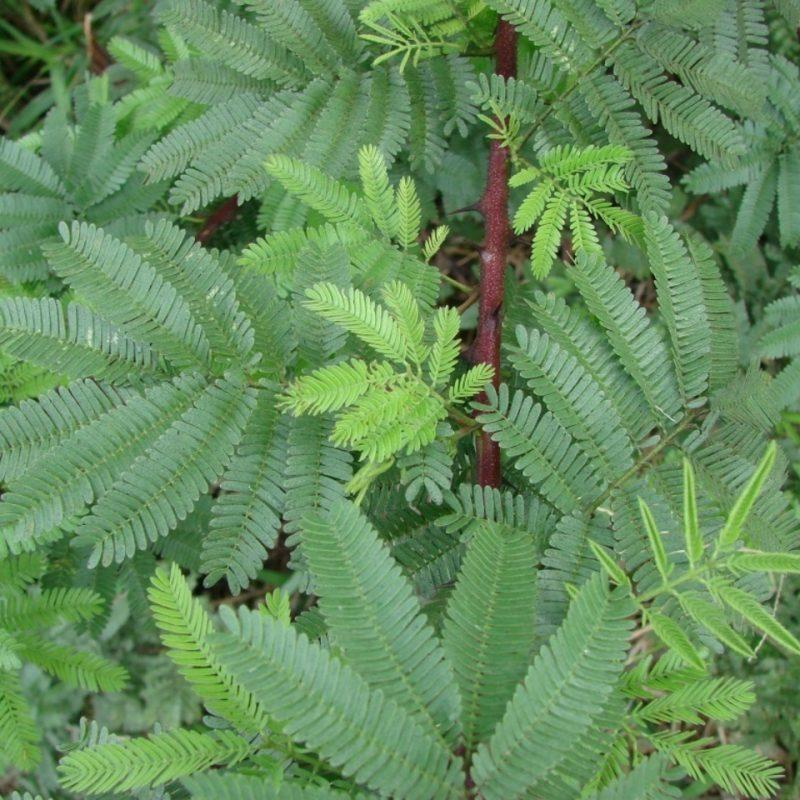
The tree typically reaches heights of 4–8 meters (13–26 feet) and is easily recognized by its:
- Fern-like green leaves
- White, fragrant flower spikes
- Dark seed pods
- Strong branching structure
- Deep, extensive root system
Because it belongs to the legume family, Mimosa Hostilis also contributes to healthier soils through nitrogen fixation, making it beneficial for surrounding vegetation.
The Significance of the Root Bark
Among all parts of the tree, the inner root bark has attracted the greatest botanical interest.
Traditionally, the bark has been harvested, clean, naturally dried, and process into various forms, including shredded bark and Mimosa tenuiflora root bark powder. This finely ground botanical material is value for its convenience in traditional dyeing, botanical collections, educational research, and other lawful applications.
Careful harvesting and processing help preserve the bark’s natural characteristics while supporting long-term storage and consistent quality.
Mimosa Hostilis in Natural Dyeing
One of the oldest documented uses of Mimosa Hostilis is as a source of natural dye.
The inner root bark contains naturally occurring pigments that have traditionally been used to colour textiles, leather, and, in some cultures, hair. Depending on the preparation method and the material being dyed, the bark can produce warm reddish-brown to burgundy tones.
Today, many people interested in plant-base colourants continue to explore Mimosa tenuiflora root bark powder for traditional botanical dyeing projects.
Scientific Interest in Mimosa Hostilis
As botanical research expanded during the twentieth century, scientists began studying Mimosa Hostilis for its ecology, growth habits, and chemical composition.
Researchers have examined topics such as:
- Plant taxonomy
- Forest restoration
- Soil improvement
- Traditional ethnobotanical uses
- Sustainable cultivation
These studies have helped deepen scientific understanding of the species while highlighting its ecological importance in native habitats.
Sustainable Harvesting Matters
Growing global interest in Mimosa Hostilis has increased awareness of responsible harvesting practices.
Ethical suppliers work with experienced harvesters who carefully collect portions of mature root bark while helping maintain healthy tree populations. Sustainable harvesting supports conservation efforts and helps ensure that future generations can continue to benefit from this remarkable botanical resource.
Consumers can also support sustainability by purchasing from reputable suppliers that prioritize quality and responsible sourcing.
Why Mimosa Hostilis Remains Popular Today
Despite centuries of history, Mimosa Hostilis continues to attract attention because of its unique combination of resilience, cultural significance, and botanical versatility.
Whether appreciated for ecological restoration, traditional dyeing, educational research, or botanical collections, the species remains an important part of many discussions surrounding native plants of Central and South America.
Products such as Mimosa tenuiflora root bark powder make this historic botanical material more accessible for those interested in its traditional and educational applications.
Conclusion
The history of Mimosa Hostilis is the story of a resilient tree that has adapted to challenging environments while becoming deeply rooted in the traditions of the communities where it grows. From its origins in the dry forests of the Americas to its recognition as an important botanical species, Mimosa Hostilis continues to be valued for its ecological role and long-standing traditional uses.
As interest in sustainable, plant-based materials continues to grow, Mimosa tenuiflora root bark powder remains a sought-after botanical product for lawful research, traditional dyeing, and educational purposes. Learning about the tree’s history not only deepens appreciation for the species but also highlights the importance of responsible sourcing and conservation.
Frequently Asked Questions
Is Mimosa Hostilis the same as Mimosa tenuiflora?
Yes. Mimosa Hostilis and Mimosa tenuiflora are two names use for the same botanical species.
Where is Mimosa Hostilis native to?
The tree is native to parts of Brazil, Mexico, and several countries in Central and South America.
What is Mimosa tenuiflora root bark powder?
It is the finely ground inner root bark of the Mimosa tenuiflora tree, traditionally prepare after cleaning, drying, and milling for botanical and other lawful applications.
Why is Mimosa Hostilis considered an important botanical species?
Its resilience, ability to improve soil health, ecological value, and long history of traditional use have made it an important native species throughout its natural range.