Mimosa Bark Root: A Complete Guide to Mimosa Hostilis Root Bark
Mimosa hostilis, also scientifically known as Mimosa tenuiflora, is a fascinating tropical tree recognized for its distinctive bark, traditional applications, and natural chemical composition. Native to parts of Central and South America, this plant has attracted attention from botanists, researchers, natural dye enthusiasts, and people interested in traditional botanical materials. Understanding the process of extracting Mimosa bark root begins with understanding the plant itself. Its root bark contains naturally occurring tannins and pigments, which contribute to its characteristic reddish-brown coloration and make it particularly interesting in the study of natural dyes.
In this guide, we explore the botanical characteristics of Mimosa hostilis, how root bark is responsibly sourced and prepared for botanical study, its natural pigments, traditional uses, and the importance of quality assessment.
The objective is to provide an educational overview of Mimosa hostilis root bark without confusing traditional botanical processing with chemical extraction procedures.
1. Understanding Mimosa Hostilis Root Bark
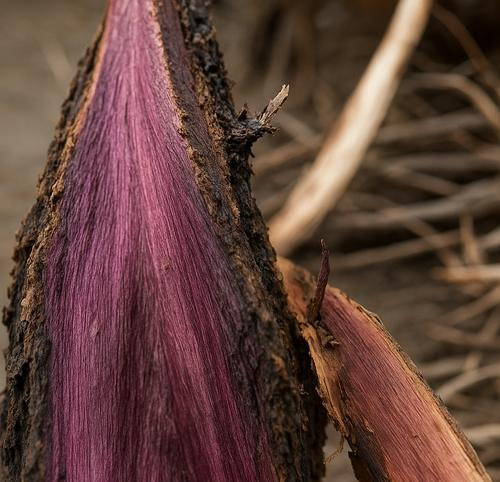
Before discussing extraction, it is important to understand what makes Mimosa hostilis root bark distinctive.
Mimosa hostilis is a leguminous tree belonging to the Fabaceae family. It is commonly associated with dry tropical environments, particularly regions of Brazil and Mexico.
The plant is recognized by several botanical characteristics:
- Fine, fern-like compound leaves.
- Small, fragrant, pale-colored flowers.
- Woody stems and branches.
- Dark outer bark with reddish-brown inner layers.
- An extensive root system adapted to challenging environmental conditions.
The inner root bark is particularly interesting because of its naturally occurring tannins and other plant compounds.
Its chemical composition can vary depending on geographical origin, growing conditions, maturity, soil characteristics, and harvesting practices.
Internal link placement: Link the words Mimosa Hostilis Root Bark to your relevant product or educational category page on HostilisBark.com.
2. Why Is Mimosa Hostilis Root Bark Studied?
Mimosa hostilis root bark has attracted botanical interest because of its complex natural composition.
Researchers studying the plant have investigated several categories of naturally occurring compounds.
Natural tannins
Tannins are plant-base polyphenolic compounds found in numerous trees, leaves, roots, and fruits.
They are particularly important in traditional dyeing and leather-processing applications because they can interact with proteins and other materials.
Natural pigments
The reddish-brown appearance of the inner bark makes Mimosa hostilis interesting to natural dye enthusiasts.
Plant pigmentation is influence by multiple factors, including:
- Plant maturity.
- Environmental conditions.
- Storage conditions.
- Processing and drying.
- Natural variation between individual plants.
Other botanical constituents
Scientific investigations have also examined the plant’s diverse chemical composition. However, identifying individual compounds requires appropriate laboratory techniques and reliable analytical testing.
Not every naturally occurring compound has the same properties, and traditional applications are not automatically be interpreted as scientifically establish medical benefits.
3. Harvesting and Preparing Mimosa Hostilis
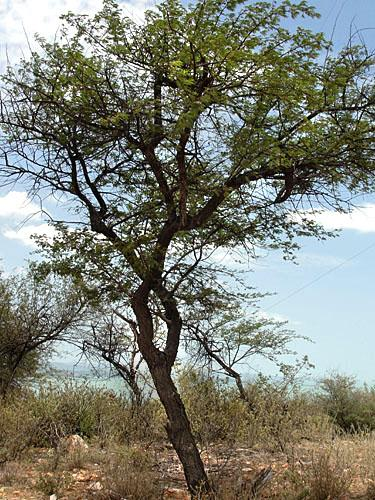
The quality of botanical material begins with responsible sourcing.
Mimosa hostilis is a naturally growing tree, and careless harvesting can damage individual plants and affect local ecosystems.
Responsible sourcing should consider the following factors.
Plant identification: Correct identification is essential because different species can have similar physical characteristics.
Sustainable harvesting: Removing substantial amounts of root material can damage or kill a tree. Responsible suppliers should prioritize traceable and sustainable harvesting practices.
Cleaning: Botanical material intended for research or natural dye applications should be free from visible soil, foreign matter, and unnecessary contaminants.
Drying: Appropriate drying helps reduce excess moisture and supports more stable storage.
Storage: Properly dried botanical material should be kept in a clean, dry environment, protected from excessive humidity, sunlight, and contamination.
A responsible approach to sourcing is important not only for product quality but also for protecting the plant’s natural habitat.
4. Understanding the Extraction of Natural Botanical Compounds
The term extraction can describe different scientific and traditional processes used to study plant materials.
In botanical research, extraction generally refers to separating particular naturally occurring constituents from plant material for analytical or other legitimate research purposes.
For Mimosa hostilis, researchers may investigate:
- Polyphenolic compounds.
- Condensed tannins.
- Plant pigments.
- Other naturally occurring phytochemicals.
Different laboratory methods can produce different chemical profiles. Consequently, an extract should not automatically be considered identical to the original bark.
For natural dye research, a simple water-base color test can be use to observe how plant material releases water-soluble color. This is different from isolating or concentrating individual chemical compounds.
It is also important to distinguish botanical research from the extraction of psychoactive alkaloids. This article focuses on botanical identification, natural coloration, and non-psychoactive applications rather than procedures for isolating psychoactive substances.
5. The Role of Mimosa Hostilis Root Bark in Natural Dyeing
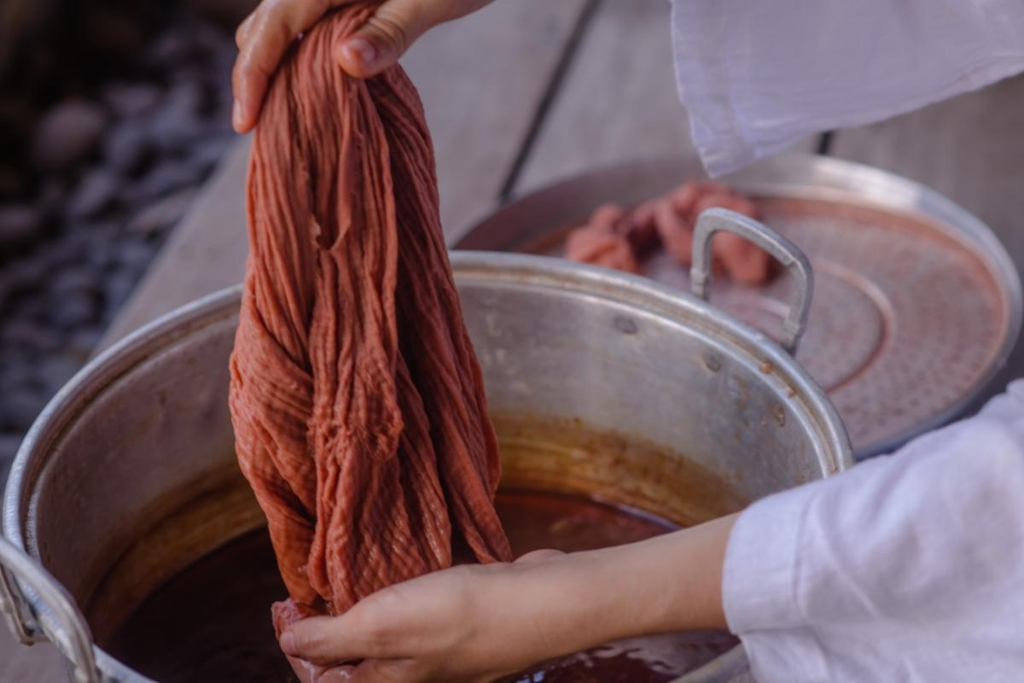
One interesting area of botanical research is the relationship between plant bark and natural coloration.
Historically, numerous plants have been used as sources of natural dyes. Bark, roots, leaves, flowers, and fruits can contain compounds capable of producing different colors on natural materials.
Mimosa tenuiflora is particularly interesting because of its tannin-rich bark.
Tannins are important in traditional dyeing because they can contribute to color development and influence how dyes interact with fibers.
The resulting shade can vary depending on:
Plant origin: Different growing environments can influence the natural composition of plant material.
Bark condition: Freshness, maturity, and storage can affect the characteristics of the material.
Textile type: Cotton, wool, silk, and other fibers do not necessarily interact with plant-based colorants in the same way.
Mordants: Certain textile mordants can influence the final appearance and colorfastness of natural dyes.
This makes botanical dye research an interesting subject for people studying sustainable textile production.
6. Why Does Mimosa Hostilis Root Bark Have Different Colors?
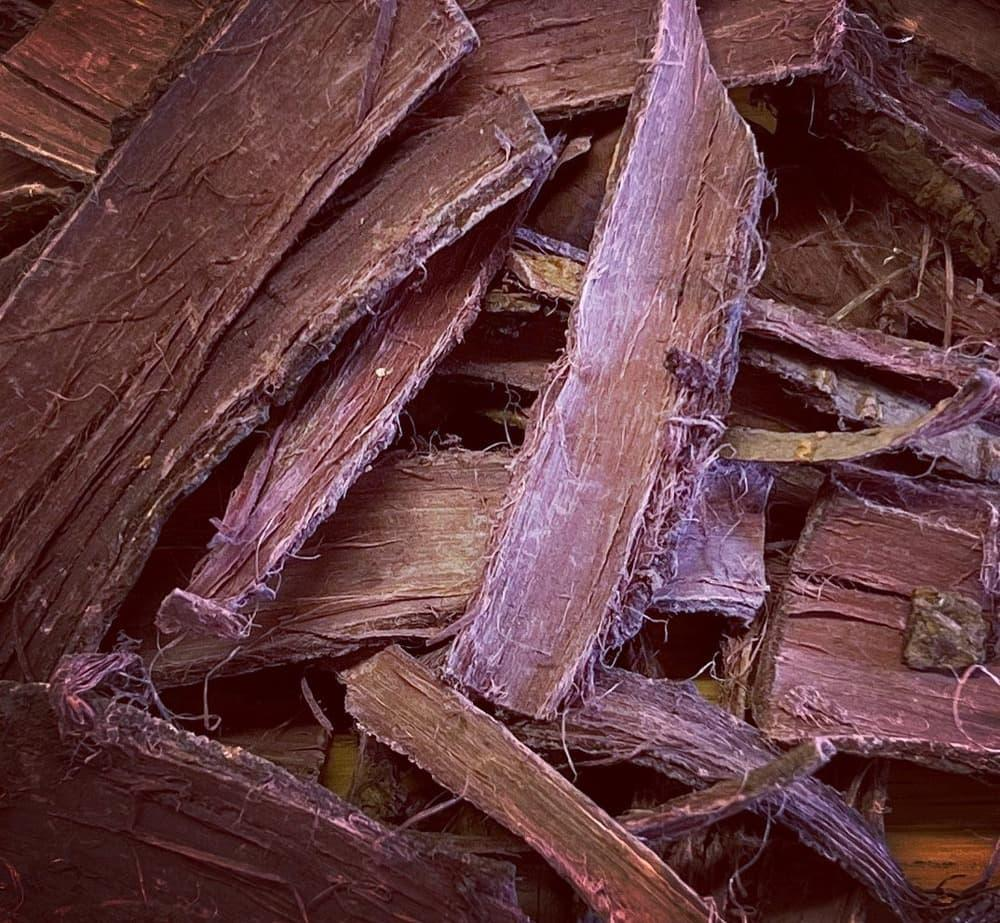
A frequently discussed characteristic of Mimosa hostilis root bark is its reddish-brown coloration.
However, not every batch looks exactly the same.
Several factors can contribute to variations in appearance:
- Geographical origin: Soil composition, rainfall, and environmental conditions can influence plant development.
- Age of the plant: Mature and younger plants may have different bark characteristics.
- Harvesting conditions: The condition of the material at harvesting can affect its appearance.
- Drying methods: Exposure to heat, air, and sunlight can influence color.
- Storage conditions: Humidity and prolonged exposure to light may change the appearance of stored bark.
Color alone is not a reliable way to establish botanical identity or purity.
For commercial botanical materials, proper species identification, supplier documentation, and appropriate laboratory testing are more reliable quality indicators.
Internal link placement: Link the phrase why Mimosa Hostilis bark color varies between batches to your related educational article on HostilisBark.com.
7. Whole Root Bark Versus Powdered Mimosa Hostilis
Retains its recognizable physical structure and allows visual inspection of the bark material.
Powdered root bark
A finely processed form that is easier to measure and use in certain botanical research applications.
Both forms have their own characteristics.
| Feature | Whole bark | Powdered bark |
|---|---|---|
| Appearance | Fibrous pieces | Fine particles |
| Inspection | Physical texture visible | Texture less distinguishable |
| Storage | Requires dry conditions | Particularly sensitive to moisture |
| Handling | Larger pieces | Easier to portion |
| Identification | Visual features may be examined | Laboratory identification is useful |
Neither form is automatically superior. The appropriate choice depends on the intended lawful botanical application and the quality of the supplied material.
8. How to Evaluate the Quality of Mimosa Hostilis Root Bark
Quality assessment is an important part of purchasing botanical materials.
A reliable evaluation should consider more than appearance.
Here are some important indicators:
- Botanical identity: The scientific name should be clearly documented.
- Physical condition: The material should be free from visible mold, insects, and foreign debris.
- Moisture condition: Excess moisture can encourage microbial growth during storage.
- Packaging: Proper packaging helps protect the material from contamination and environmental exposure.
- Supplier transparency: A reputable supplier should be able to explain the material’s origin and handling practices.
- Laboratory documentation: Where appropriate, independent testing can provide additional information about identity, contamination, and composition.
For businesses selling botanical products, transparent descriptions and accurate product information help customers make informed purchasing decisions.
9. Laboratory Testing and Botanical Research
Modern botanical research uses analytical techniques to understand the chemical composition of plants.
Some commonly used methods include:
HPLC (High-Performance Liquid Chromatography): Used to separate and analyze components within complex samples.
GC-MS (Gas Chromatography-Mass Spectrometry): Used to identify certain volatile and thermally suitable compounds.
FTIR (Fourier Transform Infrared Spectroscopy): Used to examine chemical functional groups and support material characterization.
These methods have different capabilities and limitations. No single test establishes every aspect of botanical quality.
For example, a test identifying certain chemical constituents does not necessarily establish the geographical origin, harvesting history, or overall purity of a product.
For commercial suppliers, accurate laboratory documentation is an important part of responsible product quality management.
10. Traditional Applications of Mimosa Hostilis
Mimosa tenuiflora has a long history of traditional use in parts of Latin America.
In Mexico and Brazil, different parts of the plant have been associated with traditional botanical practices, including applications involving bark and preparations used in regional communities.
The plant is also known by several regional names, including:
- jurema preta.
- Jurema.
- Tepescohuite.
- Brazilian Mimosa.
Historical uses are an important part of ethnobotanical research, but traditional applications should not be confused with proven medical treatments.
Researchers continue to investigate the plant’s chemical composition and potential applications. PubMed Central (PMC)+1
11. Responsible Sourcing and Storage
Responsible sourcing is essential when purchasing Mimosa hostilis root bark.
Customers and botanical businesses should consider the following:
- Purchase from suppliers who provide clear botanical identification.
- Ask about the geographical origin of the material.
- Look for transparent harvesting and processing information.
- Avoid material showing visible mold or signs of contamination.
- Keep dried botanical materials in sealed, moisture-resistant packaging.
- Store products away from excessive heat, direct sunlight, and humidity.
Sustainable harvesting is particularly important because removing roots can significantly affect the survival of individual trees.
Supporting responsible suppliers helps encourage better practices throughout the botanical supply chain.
12. Frequently Asked Questions About Mimosa Hostilis Root Bark
What is Mimosa hostilis root bark?
Mimosa hostilis root bark is the outer and inner bark material obtained from the roots of the tree scientifically accepted as Mimosa tenuiflora. It is known for its distinctive reddish-brown appearance and naturally occurring plant compounds.
Is Mimosa hostilis the same as Mimosa tenuiflora?
Yes. Mimosa hostilis is a scientific synonym associated with the currently accepted botanical name Mimosa tenuiflora. Kew Science+1
Why is Mimosa hostilis root bark reddish-brown?
Its coloration is associated with naturally occurring plant constituents. Growing conditions, plant maturity, processing, and storage can also influence its appearance.
What is the difference between whole bark and powdered bark?
Whole bark retains its fibrous physical structure, while powdered bark has been mechanically reduced into smaller particles. Both forms can be used for different lawful botanical applications.
How should Mimosa hostilis root bark be stored?
Keep dried bark in a clean, sealed container in a cool, dry environment. Protect it from humidity, direct sunlight, and contamination.