If you are researching jurema root bark for sale, it is important to understand what affects the quality, composition, and naturally occurring compounds in Mimosa tenuiflora. Often known as Jurema Preta or Black Jurema, this plant has a long history of traditional use in northeastern Brazil and has also attracted scientific interest because of its tannins, saponins, flavonoids, and other phytochemicals.
One important point is that there is no universal “yield percentage” that applies to every batch of jurema root bark. Plant genetics, growing conditions, geographic origin, age, harvesting practices, moisture content, and laboratory methodology can all affect the chemical profile of botanical material.
What Is Jurema Root Bark?
Jurema generally refers to Mimosa tenuiflora (Willd.) Poir., a leguminous tree native to regions of northeastern Brazil and associated with dry ecosystems such as the Caatinga.
The bark has been studied extensively as a botanical material. Research has identified several classes of compounds, including tannins, saponins, flavonoids, terpenoids, and alkaloids.
Historically, different parts of the plant have also been used in traditional preparations and for various ethnobotanical purposes.
For buyers interested in jurema root bark for sale, correct botanical identification is therefore one of the first considerations when evaluating material.
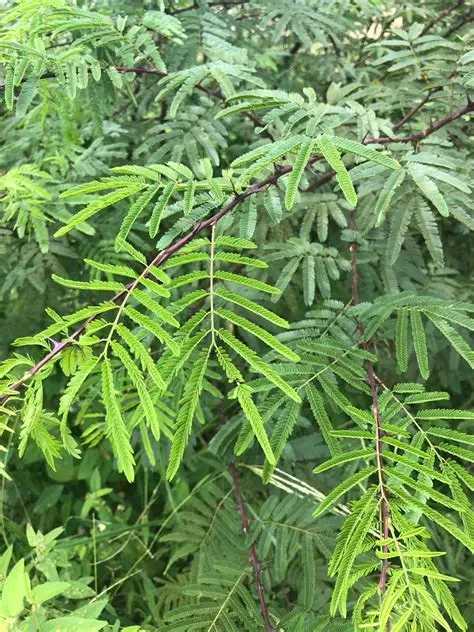
Why Botanical Identification Matters
Not every product marketed under names such as “jurema,” “jurema preta,” or “Mimosa bark” necessarily comes from the same species.
Scientific research on Mimosa tenuiflora has demonstrated that authenticated botanical material has recognizable morphological and chemical characteristics. Research into the pharmacognosy of Mimosa tenuiflora has specifically examined ways to distinguish genuine material from adulterants.
When evaluating botanical material, useful quality information can include:
- Scientific name
- Plant part
- Geographic origin
- Harvest information
- Moisture condition
- Physical appearance
- Processing method
- Batch identification
- Laboratory testing where available
These details provide much more useful information than a product name alone.
What Does “Yield Percentage” Mean?
The term yield percentage can mean different things in botanical research.
For example, researchers may discuss:
- Dry-matter yield – the amount of dry plant material obtained after removing moisture.
- Extractive yield – the proportion of material transferred into a particular solvent or extraction system.
- Tannin content – the measured percentage of tannin compounds.
- Specific compound concentration – the measured amount of an individual chemical constituent.
- Overall biomass yield – the quantity of plant material produced by a particular plant or growing area.
These measurements should not be treated as interchangeable.
A laboratory result obtained using one analytical method cannot automatically be used to predict the result from another batch of plant material.
Is There a Fixed Jurema Root Bark Yield Percentage?
No reliable universal percentage should be assigned to all Mimosa tenuiflora root bark.
Scientific studies demonstrate substantial chemical variability in Mimosa tenuiflora material. One study examining bark reported an ethanol-extractable fraction of approximately 35.41% under its particular experimental conditions. That figure describes that specific experimental extraction and should not be interpreted as a universal yield for jurema root bark.
This distinction is important when reading online claims about botanical “yield.”
Different batches can behave differently because of:
Geographic origin
Soil, rainfall, temperature, altitude, and regional environmental conditions can influence plant chemistry.
Plant age
The chemical composition of botanical tissues can change as a plant develops.
Plant part
Root bark, stem bark, leaves, and other plant tissues can have different chemical profiles.
Moisture content
Two samples with the same stated weight can contain different amounts of actual dry plant material if their moisture levels differ.
Storage
Heat, humidity, light, and prolonged storage can affect botanical quality.
Analytical method
Different solvents, extraction conditions, measurement techniques, and laboratory protocols can produce different reported percentages.
Therefore, a percentage published for one study should not automatically be applied to commercial material.
Tannins in Jurema Bark
One of the better-documented components of Mimosa tenuiflora bark is tannin.
A pharmacognostical study of genuine Mimosa tenuiflora bark found tannins to be the major component group and reported a tannin content of approximately 16% in the examined material.
Another study examining medicinal plants reported substantial tannin levels for Mimosa tenuiflora, although the exact result depends on the methodology and sample examined.
This illustrates why buyers should look at the testing method and sample information, rather than relying on a single percentage advertised online.
What Affects the Quality of Jurema Root Bark?
Quality is broader than chemical concentration.
1. Correct species
The material should be accurately identified as Mimosa tenuiflora when that is what is being sold.
2. Clean raw material
Plant material should be free from visible contaminants, foreign plant matter, excessive dirt, and other unwanted materials.
3. Appropriate dryness
Excess moisture can contribute to deterioration during storage.
4. Consistent processing
Whole bark, shredded bark, and powdered material can have different handling and storage characteristics.
5. Traceability
A supplier that can provide batch information, origin details, and basic product specifications offers greater transparency.
6. Laboratory documentation
Where available, independent laboratory analysis can provide additional information about the botanical material.
Jurema Root Bark: Bark vs. Powder
Jurema material may be encountered in different physical forms.
Whole or larger pieces
Larger pieces can make visual inspection easier because the natural structure of the bark remains more apparent.
Shredded bark
Shredded material provides smaller pieces while retaining more of the visible botanical structure than finely ground powder.
Powder
Powder is convenient for many non-extractive botanical applications, but visual identification becomes more difficult after grinding.
Research into Mimosa tenuiflora pharmacognosy has emphasized the importance of morphological and chemical authentication, particularly when dealing with powdered material where adulteration can be harder to detect visually.
Why Origin Matters
Origin is another useful piece of information when evaluating jurema root bark.
Mimosa tenuiflora is strongly associated with northeastern Brazil and the Caatinga region. Environmental conditions in this region can differ considerably from those where the plant may be cultivated elsewhere.
Because environmental factors can influence phytochemical composition, geographic origin should be treated as part of the product’s identity rather than as a guarantee of a particular chemical percentage.
Does a Higher Percentage Always Mean Better Quality?
Not necessarily.
A higher reported percentage of a particular constituent does not automatically mean that one botanical sample is “better” for every legitimate use.
Quality depends on the intended application.
For example, a researcher interested in tannins may focus on tannin concentration, while a botanical authentication study may prioritize morphological characteristics, chemical fingerprints, or DNA-based identification.
This is why responsible product descriptions should avoid making unsupported claims based on a single percentage.
How to Evaluate Jurema Root Bark for Sale
If you are comparing jurema root bark for sale, consider asking the supplier:
- What is the scientific name?
- Which part of the plant is being sold?
- Where was the botanical material sourced?
- Is the material whole, shredded, or powdered?
- How was it stored?
- Is the batch identified?
- Is moisture information available?
- Is independent laboratory testing available?
- Does the supplier provide documentation describing the material?
These questions can help distinguish transparent botanical sourcing from vague marketing claims.
Understanding Laboratory Testing
Laboratory analysis can be particularly useful when chemical composition matters.
Depending on the purpose of the testing, laboratories may use techniques such as chromatography, spectroscopy, or other analytical approaches.
For botanical authentication and quality control, researchers have used techniques including GC-MS and NMR in studies of Mimosa tenuiflora.
However, analytical results should always be interpreted in context. A laboratory report describes the sample that was actually tested; it does not necessarily represent every batch from the same supplier or species.
Jurema Root Bark and Traditional Uses
Jurema has a long ethnobotanical history in northeastern Brazil.
The bark has also been investigated for its tannins and other naturally occurring compounds. Earlier pharmacognosy research identified triterpenoid and steroidal saponins in Mimosa tenuiflora bark.
Research should not, however, be interpreted as proof that traditional uses are established medical treatments. Botanical research, traditional knowledge, laboratory experiments, and clinical evidence represent different levels of evidence.
Safety and Responsible Use
Mimosa tenuiflora contains biologically active compounds, and scientific literature has documented potentially important toxicological considerations.
A systematic review reported embryotoxic and fetotoxic effects associated with M. tenuiflora in livestock, particularly sheep and goats.
A more recent toxicological investigation of an ethanolic root-bark extract also reported biochemical and histopathological changes at tested doses in an animal model.
For these reasons, botanical material should not automatically be assumed to be harmless simply because it is natural.
People should also check applicable laws and regulations before purchasing, possessing, importing, or transporting botanical material, because regulations can differ between countries and jurisdictions.
Frequently Asked Questions
What is jurema root bark?
Jurema root bark generally refers to bark from Mimosa tenuiflora, commonly known as Jurema Preta or Black Jurema in Brazil.
What is the yield percentage of jurema root bark?
There is no universal yield percentage. Results vary according to the plant material, moisture level, origin, laboratory method, and the specific constituent being measured.
Does jurema root bark contain tannins?
Yes. Scientific studies have identified tannins as an important chemical component of Mimosa tenuiflora bark.
Why can two batches have different chemical profiles?
Plant genetics, growing conditions, geographic origin, plant maturity, harvesting, drying, storage, and analytical methodology can all contribute to variation.
Is powdered jurema root bark easy to authenticate?
Authentication can be more difficult once bark has been finely powdered because many visible morphological characteristics are no longer obvious. Scientific research has therefore investigated chemical and molecular approaches to authentication.
What should I look for when buying jurema root bark?
Look for accurate botanical identification, clear sourcing information, appropriate packaging and storage, batch information, and laboratory documentation where available.