Mimosa Hostilis: Uses, Origins, Benefits & Botanical Guide
Mimosa Hostilis is a fascinating plant with a long history of traditional use, cultural importance, and botanical interest. Although the name Mimosa hostilis remains widely used commercially and in popular literature, modern botanical databases recognize Mimosa tenuiflora (Willd.) Poir. as the accepted scientific name. Mimosa hostilis is listed as a synonym.
Native populations occur across parts of tropical and subtropical Latin America, including Mexico, Central America, Colombia, Venezuela, and northeastern Brazil. The species is recognized as a shrub or small tree and belongs to the legume family, Fabaceae.
This guide explores the botanical identity, natural habitat, physical characteristics, traditional uses, and importance of Mimosa Hostilis while explaining why this plant continues to attract interest from botanists, natural-product enthusiasts, and people interested in traditional plant knowledge.
What Is Mimosa Hostilis?
Mimosa Hostilis is a commonly used name for Mimosa tenuiflora, a woody leguminous plant belonging to the genus Mimosa.
According to Kew’s Plants of the World Online, Mimosa tenuiflora is the accepted name, while Mimosa hostilis is one of its scientific synonyms.
The plant is also associated with several regional names, including jurema, jurema-preta, and tepezcohuite. Different names may be used depending on the country, language, historical source, or traditional context.
This distinction is useful when researching the plant because older publications and commercial listings may use Mimosa hostilis, while modern botanical references generally use Mimosa tenuiflora.
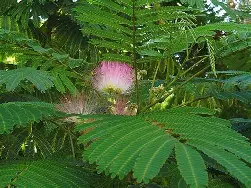
Mimosa Hostilis Botanical Classification
Understanding the scientific classification helps distinguish this plant from other species that also carry the name “mimosa.”
- Kingdom: Plantae
- Order: Fabales
- Family: Fabaceae
- Genus: Mimosa
- Accepted species: Mimosa tenuiflora (Willd.) Poir.
- Common synonym: Mimosa hostilis Benth.
The Fabaceae family contains many economically and ecologically important plants. Like other members of the legume family, Mimosa tenuiflora is a woody plant with characteristics that allow it to thrive in challenging environments.
Kew lists Mimosa hostilis Benth. specifically as a synonym of Mimosa tenuiflora.
Where Does Mimosa Hostilis Grow?
One of the most interesting characteristics of Mimosa Hostilis is its geographic distribution.
The accepted species, Mimosa tenuiflora, has a native range extending from southern Mexico through parts of Central America and northern South America, including northeastern Brazil. Kew records native populations in countries such as Mexico, Nicaragua, Panama, Colombia, Venezuela, and Brazil.
The plant is particularly associated with tropical and seasonally dry environments.
Its ability to grow in demanding conditions has contributed to its importance in local ecosystems and traditional plant knowledge.
Internal link opportunity: Link the phrase “where Mimosa Hostilis grows naturally” to your article:
Where Does Mimosa Hostilis Grow Naturally? A Geographic Guide
What Does the Mimosa Hostilis Plant Look Like?
Mimosa tenuiflora is generally described as a shrub or tree. Its growth habit can vary depending on environmental conditions.
The plant develops woody stems and branches, with foliage characteristic of the Mimosa genus. Its appearance can sometimes lead to confusion with other mimosa species, making proper identification important.
When identifying a plant, it is better to consider several characteristics together rather than relying on a single feature.
These may include:
- Overall growth habit
- Bark appearance
- Leaves and leaf arrangement
- Flowers
- Seed pods
- Geographic location
- Habitat
- Botanical references
Because several species can have similar common names, scientific identification is more reliable than relying only on commercial names.
Mimosa Hostilis vs. Mimosa Tenuiflora
One of the most common questions surrounding this plant is whether Mimosa Hostilis and Mimosa tenuiflora are different plants.
In modern botanical classification, they refer to the same species.
Kew’s Plants of the World Online lists Mimosa tenuiflora (Willd.) Poir. as the accepted name and Mimosa hostilis Benth. as a synonym.
Therefore, when researching scientific literature, it is useful to search for both names.
For example, older literature may use:
Mimosa hostilis
while newer botanical resources may use:
Mimosa tenuiflora
Using both names when researching the plant can help you locate a wider range of reliable information.
Traditional Uses of Mimosa Hostilis
Mimosa tenuiflora has a long history of traditional use in regions where the plant naturally occurs.
Kew’s botanical resources record medicinal, social, material, fuel, and animal-food uses associated with the species.
The bark has also been associated historically with traditional preparations and natural-product practices.
However, traditional use should not automatically be interpreted as proof of modern medical effectiveness. Traditional knowledge provides valuable historical information, while questions about medical safety and efficacy require appropriate scientific research.
Mimosa Hostilis and Natural Dyeing
Another interesting area of interest is the use of plant materials as natural sources of color.
The bark of woody plants has historically been used in various cultures for coloring textiles and other materials. Mimosa Hostilis is particularly interesting to natural-dye enthusiasts because its bark contains naturally occurring compounds that can contribute to earthy color tones under appropriate dyeing conditions.
Natural dye results can vary depending on:
- Plant material
- Water chemistry
- Fabric type
- Mordant
- Temperature
- Dyeing time
- Concentration
This means two batches of natural dye made from plant material may not always produce exactly the same shade.
Internal link opportunity: Add a contextual link here to your article:
How to Dye Fabric Using Mimosa Bark: Achieve Rich Browns and Pinks
Use anchor text such as “dyeing fabric with mimosa bark.”
Why Is Mimosa Hostilis Important?
The importance of Mimosa Hostilis extends beyond one particular use.
The plant is interesting from several perspectives:
1. Botanical importance
Mimosa tenuiflora provides an example of the diversity found within the Fabaceae family and the genus Mimosa.
2. Traditional knowledge
The species has a documented history of traditional and cultural uses in parts of Latin America.
3. Natural-product research
Researchers have investigated different plant components for their naturally occurring compounds and potential applications.
4. Natural materials
The plant has been associated with uses involving fuel, materials, animal food, and other practical applications.
5. Natural dyeing
Its bark has attracted interest among people exploring traditional and plant-based dyeing.
Mimosa Hostilis Root Bark
The term Mimosa Hostilis root bark is commonly encountered in commercial and ethnobotanical discussions.
The root bark is simply the bark associated with the roots of the plant. Commercial products may appear in different physical forms, including larger bark pieces, shredded bark, or finely ground material.
When purchasing botanical materials for legitimate purposes, consumers should pay attention to basic quality factors such as:
- Correct botanical identification
- Clean and uncontaminated material
- Appropriate moisture level
- Consistent appearance
- Responsible sourcing
- Clear product labeling
- Supplier transparency
this broad informational article and your more specific quality guide.
Root Bark vs. Powder
Plant bark may be sold in different physical forms.
Whole or larger bark pieces allow buyers to see more of the original plant material, while shredded bark consists of smaller pieces that are easier to handle.
Powdered bark has been mechanically ground into a finer material.
The best format depends on the intended legitimate application.
For educational and botanical purposes, understanding the difference is useful because product descriptions sometimes use “bark,” “shredded bark,” and “powder” interchangeably even though they describe different physical forms.
Internal link opportunity: Link “root bark vs. powder” to:
Mimosa Hostilis Root Bark vs Root Bark Powder: Which Should You Choose?
How to Recognize Quality Botanical Material
When evaluating botanical products, appearance alone should not be treated as absolute proof of identity or quality.
A more reliable approach combines several factors.
Botanical identity
The supplier should clearly identify the plant using its scientific name where appropriate.
Appearance
Color and texture can provide useful preliminary information, but they cannot independently establish botanical authenticity.
Moisture
Excessive moisture can negatively affect the storage stability of dried plant materials.
Cleanliness
Plant material should be free from obvious foreign matter, contamination, or unusual odors.
Supplier transparency
A responsible botanical supplier should provide clear information about sourcing, product identity, and handling.
For commercial buyers, independent laboratory documentation can provide additional information about product quality.
Mimosa Hostilis and the Name Tepezcohuite
Another name frequently associated with Mimosa tenuiflora is tepezcohuite.
Kew’s Medicinal Plant Names Services records tepezcohuite among the non-scientific names associated with Mimosa tenuiflora.
This name is especially common in Mexican contexts.
Because common names can refer to different plants in different regions, consumers should always check the scientific name when purchasing or researching botanical products.
Mimosa Hostilis and Skin-Care Research
Mimosa tenuiflora has attracted interest in traditional skin-care and ethnobotanical research, particularly because of its historical association with traditional medicinal practices.
However, it is important to distinguish between traditional use, laboratory research, and clinically established medical treatments.
Products marketed for burns, eczema, wounds, or other medical conditions should not be assumed to be effective simply because a plant has a history of traditional use.
Anyone with a medical condition should consult a qualified healthcare professional rather than replacing established treatment with an unverified botanical product.
How to Store Dried Botanical Materials
Proper storage is important for maintaining the condition of dried plant materials.
General best practices include:
- Keep the material dry.
- Use a clean, sealed container.
- Protect it from excessive humidity.
- Keep it away from direct sunlight.
- Avoid exposure to unnecessary heat.
- Prevent contamination from dust, insects, or moisture.
- Label the material clearly.
Stable storage conditions can help preserve the physical quality of dried botanical products.
Why Scientific Names Matter
Searching only for a common name can create confusion.
For Mimosa Hostilis, this is particularly important because the name is historically used as a synonym for Mimosa tenuiflora.
Using both terms during research can help identify reputable botanical references and avoid confusing this species with other plants in the Mimosa genus.
For authoritative botanical information, Kew’s Plants of the World Online is a useful reference for accepted names, synonyms, distribution, and classification.
.