How to Store Mimosa Hostilis Root Bark Powder
Introduction
Proper storage is an important part of maintaining the condition of any dried botanical material. Mimosa Hostilis Root Bark Powder, commonly associated with the botanical species Mimosa tenuiflora, is a dried plant material that can be affected by environmental conditions such as humidity, heat, light, and exposure to contaminants.
Whether you purchase botanical powder for natural dyeing, botanical research, educational purposes, or other lawful applications, appropriate storage can help preserve its physical condition for longer.
The good news is that proper storage does not have to be complicated.
The key principles are simple:
Keep it dry, sealed, clean, cool, and protected from excessive light.
What Is Mimosa Hostilis Root Bark Powder?
Mimosa hostilis is a historical botanical name associated with Mimosa tenuiflora (Willd.) Poir.
The species belongs to the Fabaceae family and naturally occurs in parts of tropical and subtropical America.
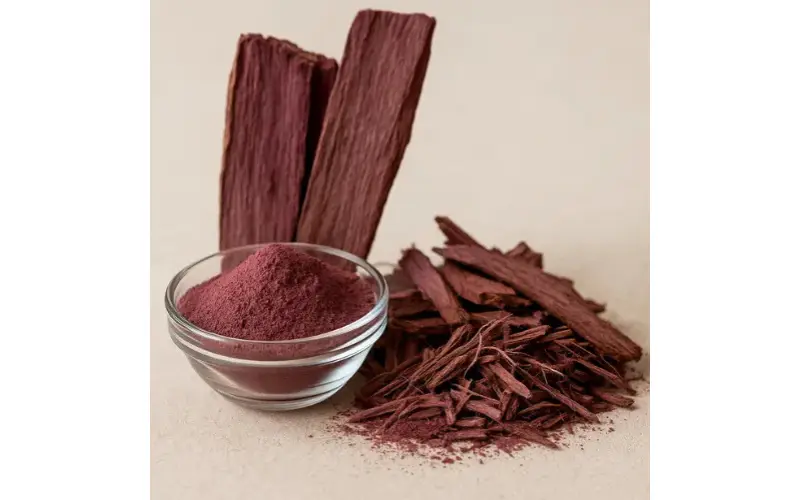
The material sold as root bark powder is dried root-bark material that has been mechanically processed into smaller particles.
Because the material is botanical rather than synthetic, natural variation in color, texture, and particle size can occur.
Why Proper Storage Matters
Dried plant material may appear stable, but environmental exposure can gradually affect its condition.
Poor storage can expose botanical powder to:
- Moisture
- Humidity
- Heat
- Light
- Oxygen
- Dust
- Insects
- Other contaminants
These factors can contribute to changes in appearance, texture, odor, and overall product condition.
For this reason, storage should be considered part of botanical product quality.
1. Keep Mimosa Hostilis Powder Dry
Moisture is one of the biggest storage concerns for powdered botanical materials.
Powder has a large surface area compared with larger pieces of bark, which means it can interact readily with moisture in the surrounding air.
Excess moisture can cause:
- Clumping
- Changes in texture
- Deterioration
- Unwanted microbial growth
- Mold
The storage environment should therefore be as dry as reasonably possible.
Avoid storing the powder:
- Beside sinks
- In bathrooms
- Near steam
- In areas exposed to rain
- Beside cooking appliances that generate moisture
- In poorly ventilated damp spaces
A dry cupboard or similar controlled environment is generally preferable.
2. Use an Airtight Container
After opening the original package, consider transferring the powder into a clean, dry, airtight container that is appropriate for storing dried botanical materials.
A suitable container can help reduce exposure to:
- Humid air
- Dust
- Insects
- Accidental spills
- Environmental contaminants
Containers should be completely dry before the botanical material is placed inside.
Even a small amount of trapped moisture can become a problem over time.
3. Keep the Container Properly Sealed
Simply putting powder into a container is not enough.
The container should remain securely closed whenever the product is not being accessed.
Every time the container is opened, the material can be exposed to the surrounding environment.
For that reason:
Open → remove what you need → close securely.
Avoid leaving the container open for extended periods.
4. Protect It From Humidity
Humidity is particularly important if you live in a warm or tropical climate.
High humidity can allow dried powders to absorb moisture from the surrounding air.
This may eventually result in:
- Clumping
- Texture changes
- Spoilage
- Mold growth
If your local environment is humid, pay extra attention to the quality of your container seal and where the product is stored.
This creates a useful connection between identifying quality material and maintaining that quality after purchase.
5. Avoid Excessive Heat
Heat can accelerate deterioration of many types of dried botanical materials.
Avoid storing Mimosa Hostilis powder:
- In direct sunlight
- Inside hot vehicles
- Near ovens
- Near radiators
- Near heaters
- In hot storage rooms
A stable, moderate indoor environment is generally more appropriate than an area exposed to large temperature fluctuations.
6. Keep It Away From Direct Sunlight
Light exposure can affect some naturally occurring plant compounds and may contribute to changes in color over time.
For this reason, storing dried botanical powder in a dark or opaque container can provide additional protection.
A closed cupboard is usually better than leaving the product exposed on an open shelf.
7. Avoid Temperature Fluctuations
Constantly moving a container between hot and cold environments can create condensation.
For example, moving a container from a very cold environment into a warm, humid room can potentially introduce moisture.
A stable storage environment is therefore preferable.
Think:
Stable temperature + low humidity + sealed container.
8. Keep the Storage Area Clean
The container is not the only thing that matters.
The surrounding storage area should also be:
- Clean
- Dry
- Free of insects
- Free from chemicals
- Free from strong contaminants
Avoid storing botanical materials directly beside household chemicals, cleaning products, pesticides, or other substances that could contaminate the packaging.
9. Protect the Powder From Insects
Dried plant materials can sometimes attract insects, particularly when packaging is damaged or improperly sealed.
To reduce the risk:
- Keep the container tightly closed.
- Inspect packaging periodically.
- Keep the storage area clean.
- Avoid storing botanical powders near food.
- Replace damaged packaging promptly.
If you see insects or signs of infestation, isolate the affected material rather than assuming it is still suitable for use.
10. Do Not Store Wet or Damp Material
Only properly dried material should be placed into long-term storage.
If the powder feels damp, unusually sticky, or develops unexplained clumps, investigate the cause before continuing to store it.
Dampness can indicate that the material has absorbed environmental moisture.
Warning signs include:
- Persistent damp texture
- Unusual clumping
- Musty odor
- Visible mold
- Unexplained discoloration
If visible mold or significant spoilage is present, do not attempt to simply dry the material and continue using it.
11. Choose the Right Container
Different storage containers offer different levels of protection.
Glass containers
Glass can provide an excellent moisture barrier when fitted with a reliable airtight lid.
Advantages include:
- Easy cleaning
- Good visibility
- Good barrier properties
- Reusability
However, transparent glass allows light through, so opaque storage or a dark cupboard can be useful.
Opaque containers
Opaque containers can reduce light exposure while also providing protection from environmental contaminants.
High-quality food-safe containers
For lawful applications involving botanical materials, a clean, suitable food-safe container may be appropriate depending on the intended use.
The most important characteristics are:
Clean + dry + sealed + suitable for the material.
12. Label Your Container
Good labeling can make storage much easier.
Consider recording:
- Product name
- Botanical name
- Date received
- Date opened
- Supplier
- Batch or lot number, if available
For example:
Product: Mimosa Hostilis Root Bark Powder
Botanical name: Mimosa tenuiflora
Received: August 2026
Batch: [supplier batch number]
This can be particularly useful if you purchase multiple botanical materials.
13. Keep Different Botanical Materials Separate
If you have several dried plants or powders, do not store them together in one unmarked container.
Keep each material:
- Separately packaged
- Clearly labeled
- Properly sealed
This prevents accidental mixing and makes identification easier.
14. How Long Does Mimosa Hostilis Powder Last?
There is no universal expiration period that applies to every batch of dried botanical powder.
Shelf stability can depend on:
- Initial moisture level
- Packaging
- Storage temperature
- Humidity
- Light exposure
- Contamination
- Processing
- Product age
Instead of relying on an arbitrary number of months or years, monitor the material’s condition and follow the supplier’s stated shelf-life or storage guidance where available.
15. What Does Properly Stored Powder Look Like?
There can be natural variation in the appearance of botanical powders.
Depending on the source and processing, powder may vary in:
- Color
- Particle size
- Texture
Therefore, appearance alone cannot establish whether a product is authentic or high quality.
However, sudden changes can be worth investigating.
For example, unexpected:
- Mold
- Persistent dampness
- Strong musty odor
- Unusual contamination
may indicate a storage problem.
16. Should You Refrigerate Mimosa Hostilis Root Bark Powder?
Refrigeration is not automatically necessary for properly dried botanical powder.
In some circumstances, moving a container between a cold refrigerator and a warm, humid environment can introduce condensation.
Unless the supplier specifically recommends refrigeration for its product, a cool, dry, stable storage environment is generally a simpler approach.
The most important factor is controlling moisture.
17. What About Freezing?
Freezing is also not automatically required for dried botanical materials.
Repeated temperature changes can create condensation if the container is opened while cold or if moisture enters the package.
For routine storage, focus first on:
- Dryness
- Airtight packaging
- Stable temperature
- Protection from light
- Clean storage conditions
Always follow specific storage instructions supplied with the product.
18. Don’t Open the Container More Than Necessary
Every opening allows fresh air and humidity into the container.
If you use botanical powder regularly, minimize unnecessary exposure.
A practical approach is to:
- Open the container.
- Remove the required amount.
- Close the container immediately.
- Return it to its storage location.
This simple habit can help reduce repeated environmental exposure.
19. Storage During Shipping
Storage considerations begin before the product reaches the customer.
During transportation, botanical materials may encounter:
- Heat
- Humidity
- Temperature fluctuations
- Physical pressure
- Damaged packaging
When receiving a shipment, inspect the packaging.
Look for:
- Tears
- Water damage
- Broken seals
- Unusual moisture
- Significant contamination
If the package appears compromised, contact the supplier before using the material.
20. What If the Powder Develops Mold?
Mold is a serious warning sign.
If you see obvious mold growth, do not assume the material can be made safe simply by removing the affected portion.
Powder makes contamination particularly difficult to isolate because particles can be distributed throughout the material.
When in doubt, discard contaminated material safely and contact the supplier.
Common Storage Mistakes
Avoid these common mistakes:
❌ Leaving the bag open
This exposes the powder to humidity and contaminants.
❌ Storing it in a bathroom
Bathrooms can have high humidity.
❌ Leaving it in direct sunlight
Light exposure can contribute to deterioration.
❌ Keeping it in a hot vehicle
Temperature extremes can damage dried botanical materials.
❌ Using a damp container
Any trapped moisture can create storage problems.
❌ Ignoring mold
Visible mold should never be treated as normal variation.
❌ Removing the original label
Keep useful information such as batch numbers and supplier details.
A Simple Mimosa Hostilis Storage Checklist
Use this checklist after receiving your botanical powder:
☐ Container is clean
☐ Container is completely dry
☐ Container seals properly
☐ Product is protected from humidity
☐ Product is protected from direct sunlight
☐ Storage area is cool and stable
☐ Storage area is clean
☐ Product is clearly labeled
☐ Batch information is retained
☐ Powder shows no visible mold
☐ Packaging is not damaged
If you can check all of these boxes, you have established a much better storage environment for dried botanical material.
How Storage Connects to Product Quality
Storage is only one part of the bigger quality picture.
The condition of a botanical product can be influenced by:
Source → Harvest → Drying → Processing → Packaging → Transportation → Storage
A problem at any stage can potentially affect the final product.
That is why buyers should consider both how the material was produced and how it was stored.