How to Store Mimosa Hostilis Root Bark Powder
Introduction
Proper storage is an important part of maintaining the quality of any dried botanical material. Even high-quality Mimosa Hostilis root bark powder can be affected by moisture, heat, light, air, and contamination if it is not stored correctly.
Mimosa Hostilis is commonly used as a name for Mimosa tenuiflora (Willd.) Poir. Kew’s Plants of the World Online recognizes Mimosa tenuiflora as the accepted scientific name and lists Mimosa hostilis among its synonyms. The species is native to parts of tropical and subtropical regions of the Americas, including areas of Mexico, Central America, Venezuela, Colombia, and northeastern Brazil.
Whether you have purchased root bark powder for botanical research, natural-material projects, dyeing, or another lawful application, appropriate storage can help maintain its dry, clean condition.
This guide explains how to store Mimosa Hostilis root bark powder, what type of container to use, where to keep it, how to recognize moisture problems, and which storage mistakes to avoid.
Why Proper Storage Matters
Dried plant materials are generally more stable than fresh plant material, but they are not immune to environmental conditions.
The main factors to control are:
- Moisture
- Humidity
- Heat
- Direct sunlight
- Air exposure
- Contamination
- Poor packaging
Moisture is particularly important because damp conditions can encourage mold and other forms of deterioration.
General guidance from the University of Minnesota Extension recommends storing dried herbs in airtight containers and keeping them away from bright light and heat sources. It also recommends periodically checking containers for moisture buildup.
The same basic principles are useful when storing other properly dried botanical powders.
1. Make Sure the Powder Is Completely Dry
Before thinking about long-term storage, the most important question is whether the material is actually dry.
Do not seal visibly damp or wet botanical material inside an airtight container and assume that the container will protect it.
Moisture trapped inside a sealed package can create an environment where deterioration occurs.
Signs of a moisture problem include:
- Clumping
- Damp-feeling powder
- Condensation inside packaging
- Unusual odor
- Visible mold
- Changes in texture
- Unexpected discoloration
If you notice signs of moisture or mold, do not use material that appears contaminated.
2. Choose an Appropriate Storage Container
A good storage container should provide a strong barrier against moisture and contamination.
Suitable options can include:
- Airtight glass jars
- Properly sealed food-safe containers
- High-quality resealable bags designed for dry goods
- Other clean, moisture-resistant containers appropriate for botanical materials
The key is not simply the material of the container. The seal is extremely important.
A container that looks sturdy but allows humid air to enter is not ideal for long-term storage.
Glass vs. plastic
Both glass and suitable food-grade plastic containers can work for dry botanical materials.
Glass has the advantage of being easy to clean and relatively resistant to absorbing odors.
Food-safe plastic can be lighter and more convenient for larger quantities.
Whichever option you choose, make sure the container is clean, dry, and properly sealed.
3. Keep the Powder Away From Humidity
Humidity is one of the biggest enemies of dried botanical powders.
Powders have many small particles, which can make them particularly prone to absorbing moisture from humid environments.
For that reason, avoid storing your Mimosa Hostilis powder in places such as:
- Bathrooms
- Near kitchen sinks
- Damp basements
- Areas exposed to rain
- Outdoor sheds with high humidity
- Near humidifiers
A cool, dry indoor storage area is generally preferable.
If you live in a particularly humid climate, pay even closer attention to the quality of your container and its seal.
4. Protect It From Direct Sunlight
Light can negatively affect many dried botanical materials over time.
For everyday storage, keep the container somewhere dark or away from direct sunlight.
Good locations might include:
- A closed cupboard
- A pantry
- A dark storage cabinet
- Another cool, dry area away from windows
If you are using a transparent glass jar, placing the jar inside a closed cabinet can provide an additional layer of protection from light.
5. Avoid Excessive Heat
High temperatures are another factor to consider.
Do not store dried botanical powder:
- Next to a stove
- Above an oven
- Near radiators
- In direct sunlight
- Inside a hot vehicle
- Next to other heat-producing equipment
A stable indoor environment is generally preferable to locations where temperature fluctuates dramatically.
The objective is simple:
Keep the product cool, dry, sealed, and away from direct light.
6. Label the Container
Good labeling makes storage much easier to manage.
A useful label can include:
- Product name
- Scientific name
- Date received
- Batch or lot number, if available
- Supplier
- Country or region of origin, if provided
For example:
Mimosa Hostilis Root Bark Powder
Scientific name: Mimosa tenuiflora
Received: August 2026
Batch: XXXXX
This becomes particularly useful if you keep several botanical materials in the same storage area.
7. Keep the Original Packaging Information
If your supplier provides information about the product, don’t immediately throw away the original packaging.
Keep records such as:
- Product name
- Scientific name
- Batch number
- Origin
- Processing information
- Supplier details
- Purchase date
This can make it easier to identify a particular batch later.
It is especially useful for customers who purchase botanical products regularly.
8. Don’t Open the Container More Than Necessary
Every time a container is opened, the contents are exposed to the surrounding environment.
In a humid location, opening the container repeatedly can introduce humid air.
For this reason, it is better to:
- Open the container when necessary.
- Take out the amount required.
- Close the container securely.
- Return it to its storage location.
Avoid leaving the container open for extended periods.
9. Use Clean, Dry Utensils
If you need to remove powder from its container, make sure whatever you use is clean and completely dry.
Never introduce:
- Wet spoons
- Damp measuring tools
- Dirty utensils
- Food residue
- Other botanical materials
into the storage container.
A small amount of moisture or contamination can affect the material over time.
10. Check the Powder Periodically
Storage should not be completely hands-off.
Every so often, inspect the container and its contents.
Look for:
- Moisture
- Condensation
- Unusual clumping
- Mold
- Unusual odors
- Major changes in appearance
- Damaged packaging
The University of Minnesota Extension similarly recommends periodically checking stored dried herbs for moisture buildup and taking action if moisture appears.
If the product shows obvious signs of mold or contamination, it should not be used.
11. What Does Properly Stored Powder Look Like?
There can naturally be variation between batches of botanical material.
Depending on its origin, processing, and age, Mimosa Hostilis root bark powder can vary in color and texture.
What matters more than expecting one exact appearance is looking for unexpected changes during storage.
For example, sudden moisture-related clumping or a new unpleasant odor may indicate a storage problem.
This is why it is useful to know what your material looked and smelled like when you first received it.
12. Should You Refrigerate Mimosa Hostilis Root Bark Powder?
Refrigeration is generally not necessary simply because a product is a dried botanical powder.
More importantly, repeatedly moving a container between cold and warm environments can introduce condensation if the container is opened before the material has returned to room temperature.
For ordinary storage, focus first on:
Dry conditions + airtight packaging + stable temperature + protection from light.
Always follow any specific storage instructions supplied by the manufacturer or seller.
13. Should You Freeze It?
Freezing is not automatically required for dried botanical powders.
For most routine storage situations, keeping the material sealed in a cool, dry, dark location is simpler.
If someone is considering unusually long-term storage, they should consider the possibility of condensation during temperature changes and ensure that packaging is appropriate for the conditions.
Again, the basic goal remains preventing moisture from reaching the dried material.
14. Common Storage Mistakes to Avoid
Mistake #1: Leaving the bag open
An open bag allows environmental humidity and contaminants to enter.
Mistake #2: Storing it in the bathroom
Bathrooms can experience significant humidity from showers and other activities.
Mistake #3: Keeping it next to a heat source
Heat can accelerate deterioration of many natural materials.
Mistake #4: Using a container that does not seal properly
An attractive container is not useful if humid air can easily enter.
Mistake #5: Using a wet utensil
Even a small amount of water can introduce unwanted moisture.
Mistake #6: Storing it in direct sunlight
A dark storage location is preferable for many dried botanical products.
Mistake #7: Ignoring mold or unusual odors
Visible mold or a clear contamination problem should never be ignored.
Mimosa Hostilis Root Bark Powder Storage Checklist
Before putting your powder away, check the following:
- Is the material dry?
- Is the container clean?
- Is the container completely dry?
- Does the lid or seal close properly?
- Is the storage location dry?
- Is it away from direct sunlight?
- Is it away from excessive heat?
- Is the container clearly labeled?
- Do you have the batch or supplier information?
- Can you check it periodically?
If the answer to all of these is yes, you have addressed the major environmental factors involved in ordinary dry-botanical storage.
How Long Does Mimosa Hostilis Root Bark Powder Last?
There is no single universal expiration period that can be responsibly applied to every batch.
Shelf life can depend on:
- Initial moisture level
- Processing method
- Packaging
- Storage conditions
- Temperature
- Humidity
- Exposure to light
- Contamination
- Supplier specifications
Rather than assuming that every product remains suitable for a specific number of years, follow the supplier’s stated shelf-life information where available.
Proper storage can help preserve the physical condition of dried botanical material, but it does not make a product immune to aging or contamination.
How Storage Affects Different Forms of Root Bark
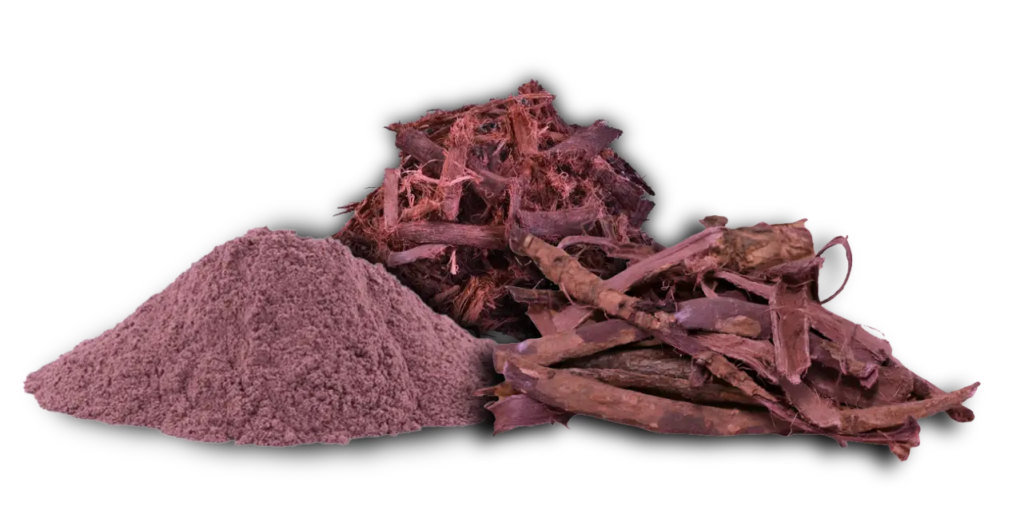
Mimosa material may be sold in several forms.
Whole or larger bark pieces
Larger pieces may be easier to visually inspect because the original bark structure remains visible.
Shredded bark
Shredded bark provides smaller pieces while still retaining some of the recognizable structure of the plant material.
Powder
Powder is much more finely processed.
Because of its fine particle size, it is especially important to keep the container properly sealed and protected from humidity.
If you are interested in the differences between these forms, see our guide:
Mimosa Hostilis Bark vs. Powder What’s the Difference?
Buying Quality Material Starts With the Supplier
Storage is only one part of maintaining quality.
The condition of the material when you receive it also matters.
Before purchasing, look for a supplier that provides clear information about:
- Botanical identity
- Plant part
- Product form
- Origin
- Processing
- Packaging
- Batch information
- Storage recommendations
Mimosa Hostilis and Its Botanical Name
For readers researching this plant, it is worth understanding the scientific naming.
Kew’s Plants of the World Online currently accepts Mimosa tenuiflora (Willd.) Poir. and lists Mimosa hostilis Benth. among its synonyms. The plant belongs to the Fabaceae family.
This is a useful authoritative reference to include because it gives readers an independent botanical source rather than relying entirely on commercial websites.
Frequently Asked Questions
What is the best container for Mimosa Hostilis root bark powder?
A clean, dry, airtight container made from an appropriate food-safe material is a practical choice. The most important feature is a reliable seal that limits exposure to humidity and contaminants.
Where should I store Mimosa Hostilis root bark powder?
Store it in a cool, dry, dark location away from direct sunlight, heat sources, water, and high humidity.
Can humidity damage root bark powder?
Yes. Moisture can cause powder to clump and can contribute to mold or other forms of deterioration.
Should I keep the powder in its original packaging?
If the original packaging provides a good moisture barrier and closes securely, it may be suitable. Otherwise, transferring the material to a clean, properly sealed container may be preferable.
How can I tell if stored powder has gone bad?
Watch for visible mold, unusual odors, condensation, significant moisture, or unexpected changes in texture. If contamination is suspected, do not use the material.
Does Mimosa Hostilis powder need refrigeration?
Routine refrigeration is generally unnecessary for a properly dried botanical powder. A stable, cool, dry, dark storage environment is usually simpler.
Is Mimosa Hostilis the same plant as Mimosa tenuiflora?
Kew currently recognizes Mimosa tenuiflora (Willd.) Poir. as the accepted name and lists Mimosa hostilis Benth. as a synonym.
Final Thoughts
Learning how to store Mimosa Hostilis root bark powder properly is straightforward when you focus on the fundamentals.
Keep the material:
Dry.
Sealed.
Cool.
Dark.
Clean.
Protected from humidity.
Use a suitable airtight container, avoid unnecessary exposure to moisture and heat, label the product clearly, and inspect it periodically.
Most importantly, remember that proper storage begins with good-quality botanical material. Choosing a transparent supplier and keeping useful information about the product’s origin, batch, and processing can make it much easier to maintain quality from purchase through storage.
For botanical information about Mimosa tenuiflora, readers can consult the Royal Botanic Gardens, Kew’s Plants of the World Online database.
Always check the laws and regulations applicable to your location and intended use before purchasing, possessing, importing, or using botanical materials.