Mimosa Hostilis root bark powder is one of the most sought-after botanical products due to its versatility, long shelf life, and ease of use in traditional applications such as natural dyeing, crafts, and research. However, many people are unfamiliar with the careful process that transforms raw root bark into a fine, high-quality powder. In this guide, we’ll explain each stage of the process—from harvesting to drying, shredding, and grinding—while highlighting why proper handling is essential for maintaining quality.
What Is Mimosa Hostilis Root Bark?
Mimosa Hostilis (Mimosa tenuiflora) is a tree native to parts of South and Central America, particularly Brazil and Mexico. The inner root bark has been traditionally valued for generations and is commonly prepared in several forms:
- Whole bark pieces
- Shredded bark
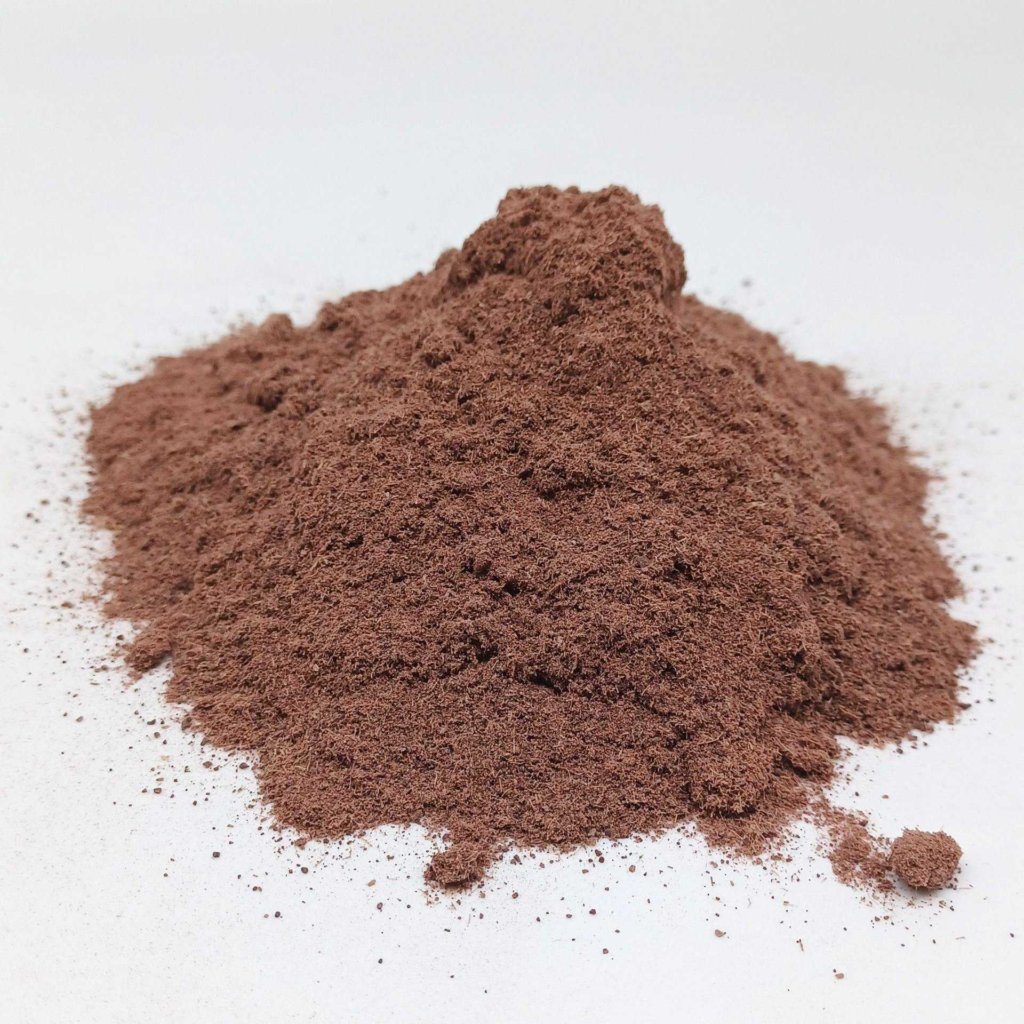
- Fine Mimosa Hostilis root bark powder
Each form serves different preferences, with powder being especially popular because it is easy to measure, store, and use for traditional botanical applications.
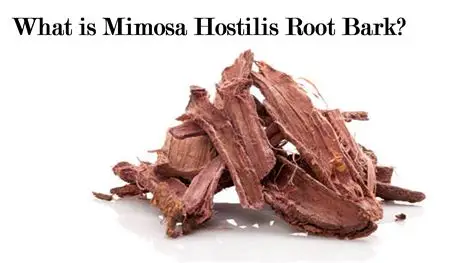
Step 1: Harvesting the Root Bark Responsibly
The process begins with carefully harvesting mature roots. Experienced harvesters selectively remove sections of root bark while allowing the tree to continue growing whenever possible.
After harvesting, the outer layer is remove, leaving the inner root bark, which contains the natural fibres and pigments value in traditional uses.
Responsible harvesting practices help preserve healthy tree populations while maintaining the quality of the harvested bark.
Step 2: Cleaning the Bark
Before drying begins, the bark is thoroughly clean to remove:
- Soil
- Sand
- Small stones
- Organic debris
Clean bark produces a cleaner finished powder and helps reduce contamination during processing.
Step 3: Natural Drying
Drying is one of the most important stages in producing premium Mimosa Hostilis root bark powder.
Traditionally, the bark is spread in a clean, dry, well-ventilated area away from excessive moisture. Proper drying helps reduce the moisture content while preserving the bark’s natural characteristics.
Carefully dried bark offers several advantages:
- Longer shelf life
- Easier shredding
- More efficient grinding
- Reduced risk of mould during storage
Once fully dried, the bark becomes firm and ready for the next stage
Step 4: Shredding the Bark
After drying, the bark is cut into thin strips or shredded into smaller fibres.
Shredded bark offers several benefits:
- Easier to package
- Simpler to grind into powder
- More convenient for storage
- Uniform particle size before milling
Many suppliers offer both shredded bark and powder so customers can choose the form that best suits their needs.
Step 5: Grinding into Mimosa Hostilis Root Bark Powder
The shredded bark is then milled into a fine powder using specialise grinding equipment.
The goal is to achieve a consistent texture while minimising excess heat, which can affect the quality of the finished botanical material.
High-quality Mimosa root bark powder should appear:
- Finely ground
- Even in texture
- Free from large bark fragments
- Properly dried before packaging
Uniform grinding also makes measuring and storing the powder more convenient.
Step 6: Packaging and Storage
Once ground, the powder is package in moisture-resistant containers or seal bags.
Proper storage helps maintain freshness.
For best results, store Mimosa root bark powder:
- In a cool, dry place
- Away from direct sunlight
- In an airtight container
- Away from excessive humidity
When stored correctly, the powder can retain its quality for an extended period.
Traditional Uses of Mimosa Hostilis Root Bark Powder
Throughout history, Mimosa root bark powder has been use in various traditional and botanical applications.
One of its best-known traditional uses is as a natural plant-based dye, particularly for colouring textiles and hair. The bark contains naturally occurring pigments that can produce rich reddish-brown to burgundy tones depending on the preparation method and the material being dyed.
It has also been valued in traditional botanical practices, handicrafts, and educational research into natural plant materials.
How Quality Processing Makes a Difference
Not all Mimosa Hostilis root bark powder is processed to the same standard.
High-quality powder typically comes from bark that has been:
- Carefully harvested
- Thoroughly cleaned
- Properly dried
- Evenly shredded
- Finely ground
- Securely packaged
Attention to each step helps preserve the botanical material and provides a more consistent product.
Choosing Premium Mimosa Hostilis Root Bark Powder
When purchasing Mimosa root bark powder, look for suppliers who provide:
- Carefully processed botanical material
- Clean, finely ground powder
- Secure packaging
- Clear product descriptions
- Reliable customer support
Choosing a trusted supplier helps ensure you’re receiving a quality product prepared with care.
Find High-Quality Mimosa Hostilis Root Bark Powder
If you’re looking for premium Mimosa Hostilis root bark powder, our selection is carefully processed from responsibly sourced bark that is cleaned, dried, shredded, and finely ground for consistent quality.
Whether you’re interested in traditional botanical applications or natural dyeing projects, we offer quality products with secure packaging and dependable customer service.
Explore our collection today and discover why customers trust us for premium Mimosa Hostilis products.
Frequently Asked Questions
- Is shredded bark better than powder?
Both forms have their advantages. Powder is convenient and ready to use, while shredded bark is preferred by some users for storage or specific preparation methods.
- How should Mimosa Hostilis root bark powder be stored?
Store it in an airtight container in a cool, dry place away from direct sunlight and moisture.
- Why is proper drying important?
Proper drying helps improve shelf life, supports consistent grinding, and reduces the risk of spoilage during storage.
- Can Mimosa Hostilis root bark powder be used as a natural dye?
Yes. It has a long history of use as a botanical dye for textiles and hair colouring in traditional practices.