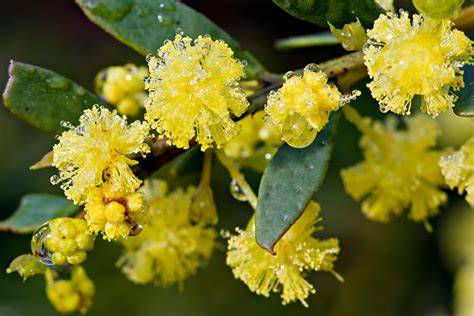
Acacia DMT is a phrase commonly used when discussing the relationship between Acacia trees and N,N-dimethyltryptamine (DMT), a naturally occurring psychoactive compound. However, understanding this subject requires more than reading online claims about particular plants. It involves botanical identification, phytochemistry, scientific testing, safety awareness, and knowledge of applicable laws.
Acacia is a diverse group of trees and shrubs found in different parts of the world. Some species have been investigated by researchers for naturally occurring alkaloids, including tryptamines. Scientific studies show that the chemical composition of Acacia plants varies between species and plant samples, so it is inaccurate to assume that every Acacia tree contains DMT.
This guide explores the meaning of Acacia DMT, the science behind plant alkaloids, the importance of correct plant identification, and the questions readers should consider when evaluating botanical information.
What Does Acacia DMT Mean?
The term Acacia DMT refers to discussions about DMT in relation to certain plants in the Acacia group. DMT is the abbreviation for N,N-dimethyltryptamine, a psychoactive substance that can occur naturally in some plants and can also be produced synthetically.
From a botanical perspective, Acacia is not a single plant species. It is a large and diverse group of woody plants with different characteristics, habitats, and chemical profiles.
Researchers study plant chemistry to understand how naturally occurring compounds are distributed across species. These investigations may involve laboratory techniques that identify chemical substances in plant samples.
It is important to distinguish between three concepts:
- Botanical identity: The scientific name and classification of a plant.
- Phytochemistry: The study of naturally occurring chemicals in plants.
- Pharmacology: The study of how substances affect biological systems.
These subjects are related, but they are not interchangeable. Identifying an Acacia tree does not establish its chemical composition, and detecting a chemical in one sample does not establish its presence in every plant of that species.
Do Acacia Trees Naturally Contain DMT?
Scientific research has confirmed that DMT occurs in some Acacia species. A 2024 study published in the Australian Journal of Forensic Sciences examined samples representing 79 Acacia species and reported DMT in 51 of the species studied.
This finding is important because it demonstrates the value of systematic chemical analysis. It also illustrates why broad assumptions about plant chemistry can be misleading.
The results of a study must be interpreted within their proper context. The species examined, the origin of the samples, the plant tissues tested, and the laboratory methods all influence what researchers can conclude.
A scientific finding for one species should not automatically be applied to another species with a similar appearance or a related botanical name.
For readers researching Acacia DMT, peer-reviewed studies and verified laboratory findings are more reliable than unsupported online lists or claims based solely on appearance.
Understanding Acacia Plant Diversity
Acacia plants occur in a range of environments, including dry woodlands, tropical and subtropical regions, and areas with seasonal rainfall. Their growth forms vary from shrubs to large trees.
Many species are valued for reasons unrelated to psychoactive chemistry. Depending on the species, Acacia plants may contribute to soil stability, provide habitat for wildlife, supply timber or other materials, and support traditional practices.
Some Acacia species are also used in ecological restoration because particular plants can tolerate challenging environmental conditions.
When researching an Acacia plant, it is helpful to record its scientific name, geographical origin, growth habit, leaf structure, flowers, seed pods, and habitat. These features help botanists distinguish between plants that might otherwise be confused.
Common names can be particularly misleading because the same name may refer to different plants in different countries.
How Scientists Study DMT in Plants
Researchers use analytical chemistry to investigate the compounds present in botanical samples. Rather than relying on appearance or informal descriptions, they use controlled methods to separate and identify chemical substances.
Examples of analytical techniques include:
- High-performance liquid chromatography (HPLC): Separates components in a sample so they can be examined individually.
- Mass spectrometry (MS): Helps identify chemical compounds based on their molecular characteristics.
- Chromatographic methods combined with mass spectrometry: Provide complementary evidence for identifying substances in complex samples.
These techniques are useful in botanical research, forensic science, and quality assessment.
Reliable research also depends on appropriate sampling, validated laboratory procedures, reference standards, and transparent reporting. A laboratory result should identify what was tested and describe the limitations of the findings.
A photograph, a plant’s colour, or a seller’s description cannot establish the presence or concentration of DMT. Claims about chemical composition require appropriate scientific evidence.
Is Every Acacia Species the Same Chemically?
No. Acacia species can differ significantly in their chemical composition, just as plants from other botanical groups can produce different combinations of natural compounds.
Even within a single species, chemical profiles may vary with plant genetics, the tissue examined, environmental conditions, season, and other biological factors. These variables are important considerations in phytochemical research.
It is therefore unwise to treat the name Acacia as a guarantee of any particular chemical profile.
Botanical classification and chemical analysis answer different questions. Classification helps determine which plant is being studied, while chemical analysis investigates the substances present in the sample.
For educational and scientific purposes, keeping these two forms of evidence separate leads to more accurate conclusions.
DMT: Scientific Interest and Health Considerations
DMT is a powerful psychoactive substance that can alter perception, sensory experiences, mood, and a person’s sense of their surroundings. Its effects can be intense and unpredictable.
Potential adverse effects include increased heart rate and blood pressure, agitation, confusion, and impaired judgement. Serious complications may occur, and the risks can be affected by other substances, individual health factors, and the circumstances of exposure.
The fact that a substance occurs naturally does not mean it is harmless. Plants contain many biologically active compounds, and natural origin alone does not establish safety.
Research into psychedelic compounds and potential therapeutic applications is an active scientific area. However, early findings should not be interpreted as proof that a substance is safe, effective, or appropriate for self-treatment. Medical research requires careful evaluation of study design, participant numbers, adverse events, and longer-term outcomes.
Readers should consult qualified healthcare professionals for medical concerns rather than relying on claims made in online botanical discussions.
Legal Considerations Surrounding Acacia DMT
The legal status of DMT and plants associated with it varies by jurisdiction. Laws may distinguish between a chemical substance, plant material, preparation, possession, distribution, and activities involving extraction or manufacture.
For example, the United States Drug Enforcement Administration identifies DMT as a Schedule I controlled substance under US federal law. This information should not be assumed to describe the laws of every country.
Before possessing, importing, exporting, selling, or otherwise handling material associated with DMT, readers should consult the current laws and official guidance applicable to their location.
International shipping may involve additional customs and controlled-substance requirements. A product being described as botanical or natural does not automatically exempt it from legal restrictions.
How to Evaluate Acacia DMT Information Online
Online discussions about plant chemistry often combine established research, personal anecdotes, historical information, and unverified claims. Learning to distinguish these sources helps readers make better-informed decisions.
Consider the following checks when evaluating an article or product description:
- Check the scientific name. Confirm that the article identifies the species rather than relying only on a common name.
- Look for credible references. Prefer peer-reviewed papers, academic institutions, and official government publications.
- Review the research methods. Look for information about the sample, analytical technique, and limitations.
- Separate evidence from speculation. A claim repeated on several websites is not necessarily scientifically verified.
- Avoid unsupported potency claims. Appearance, geographic origin, and informal descriptions cannot reliably establish a plant’s chemical composition.
- Consider safety and legality. Scientific interest does not remove the need to understand health risks and applicable laws.
These principles apply to botanical research more broadly, including studies of medicinal plants, essential oils, natural dyes, and plant-derived compounds.