Acacia root is an important botanical subject because the roots of Acacia species support plant growth, help trees adapt to different environments, and have been used in various traditional practices. Understanding Acacia roots requires looking at the plant’s species, natural habitat, root structure, and the differences between root bark and other parts of the plant.
The name Acacia refers to a diverse group of trees and shrubs in the legume family, Fabaceae. These plants occur across a wide range of tropical, subtropical, and other environments. However, not every species has the same characteristics or uses. Correct plant identification is therefore essential when studying Acacia root, root bark, and related botanical materials.
In this guide, we explore the structure of Acacia roots, their botanical importance, their relationship to soil and climate, traditional uses, and important considerations for safe and responsible botanical research.
What Is Acacia Root?
Acacia root refers to the underground root system of a plant belonging to the genus Acacia. Roots are essential plant structures that anchor a tree or shrub in the ground, absorb water and minerals, and help transport these resources to other parts of the plant.
Depending on the species and growing conditions, an Acacia root system may contain a dominant central root, extensive lateral roots, and smaller roots responsible for absorbing water and nutrients.
Some Acacia species grow in dry environments where water availability changes throughout the year. Their root systems can help them survive periods of limited rainfall, although the depth and spread of roots vary considerably among species.
It is also important to distinguish Acacia root from Acacia root bark. The root includes the complete underground structure, while root bark refers to the outer tissues covering the root. These terms describe different botanical materials and should not be used interchangeably.
Botanical Classification of Acacia
Acacia belongs to the family Fabaceae, commonly known as the legume or pea family. Plants in this family are known for their varied growth forms, flowers, fruits, and ecological relationships.
The scientific classification of an individual Acacia plant is important because the common name alone may not identify the species accurately.
Important botanical details include:
- Kingdom: Plantae
- Family: Fabaceae
- Genus: Acacia
- Species: Depends on the particular plant
The genus has undergone taxonomic revisions. Some plants historically called Acacia are now classified under other genera, including Vachellia and Senegalia. As a result, older botanical references and modern plant databases may use different scientific names for the same species.
For accurate identification, consult a recognized botanical reference such as the Royal Botanic Gardens, Kew’s Plants of the World Online database.
Physical Characteristics of Acacia Roots
Acacia roots are not identical across all species. Their appearance and structure depend on the plant’s age, genetics, soil conditions, and environment.
1. Primary roots
In many young plants, the primary root develops from the emerging seedling. It may grow downward and contribute to anchorage and access to soil moisture.
The degree to which a primary root remains dominant varies among species and growing conditions.
2. Lateral roots
Lateral roots branch from larger roots and extend into the surrounding soil. They help stabilize the plant and explore a larger volume of soil for water and nutrients.
Their spread depends on available moisture, soil structure, competition from neighboring vegetation, and other environmental factors.
3. Fine roots
Fine roots are generally smaller and more delicate than the main roots. Many are involved in absorbing water and mineral nutrients.
These roots can be particularly important in the upper soil layers, where organic matter and nutrients may accumulate.
4. Root bark
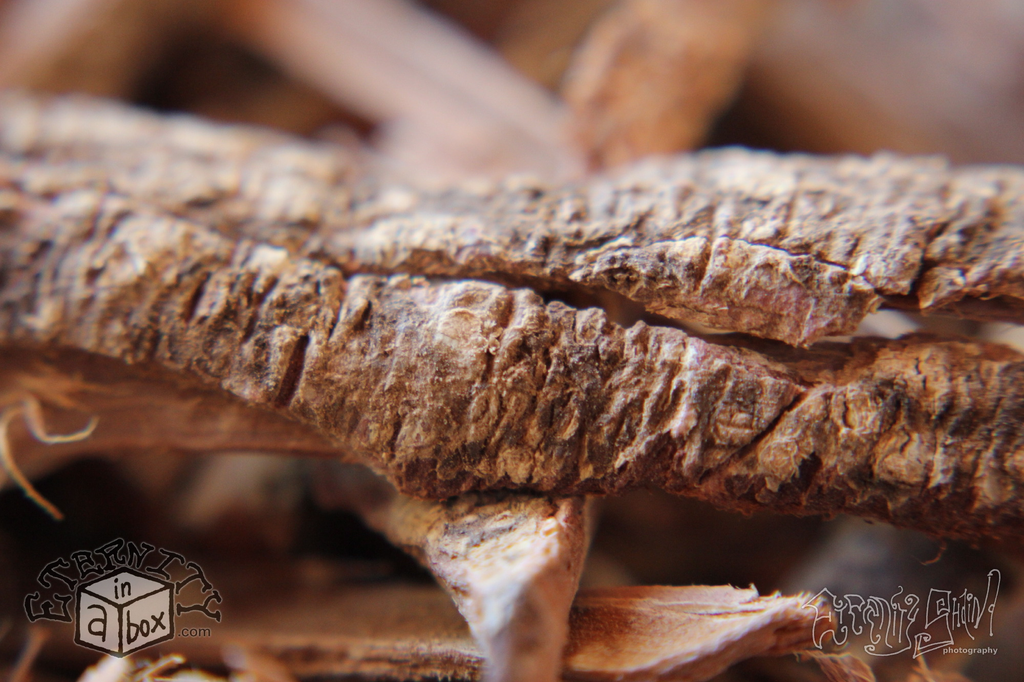
Root bark is the outer tissue covering a root. Its color, thickness, and texture vary among Acacia species and may also change with the age and condition of the plant.
Color alone is not a reliable method of identification. Two unrelated plants can have similar-looking root bark, so scientific identification should consider multiple characteristics and, when necessary, expert examination.
Where Do Acacia Plants Grow?
Acacia species occur in many parts of the world, with different species adapted to different climates and habitats.
Depending on the species, Acacia plants may grow in:
- Dry savannas and grasslands
- Tropical and subtropical woodlands
- Semi-arid regions
- Coastal environments
- Open forests and scrublands
- Areas with seasonal rainfall
Some species are adapted to drought, while others grow in environments with more regular moisture.
Soil conditions also influence root development. Sandy soils, compacted soils, clay-rich ground, and nutrient-poor substrates can each affect how roots spread and absorb resources.
For botanical research, the native range of the specific species is more useful than assuming that all Acacia plants grow in the same conditions.
What Is Acacia Root Used For?
The uses associated with Acacia roots vary according to the species, region, and cultural context. It is important to separate established botanical and ecological functions from documented traditional practices and scientifically demonstrated effects.
1. Plant growth and stability
The primary function of Acacia roots is to anchor the plant and provide access to water and nutrients.
A healthy root system supports the development of stems, leaves, flowers, and fruits. Damage to the roots can reduce plant vigor and make the tree more vulnerable to environmental stress.
2. Soil stability and ecosystem support
Acacia trees and shrubs can contribute to soil stability by helping hold soil in place. Root networks may reduce erosion, particularly where vegetation is well established.
The extent of this benefit depends on plant density, local rainfall, soil characteristics, and land management.
3. Traditional botanical practices
Certain plants historically described as Acacia have documented traditional uses involving roots, bark, leaves, or other plant parts.
However, a traditional use reported for one species cannot automatically be applied to another. The plant part used, preparation method, cultural context, and safety profile all matter.
Traditional use is also not the same as proof of clinical effectiveness. Scientific research is needed to evaluate specific health claims.
4. Botanical and laboratory research
Researchers may examine roots and root bark to investigate plant anatomy, chemical composition, ecological adaptation, and differences among species.
Such studies can help improve botanical knowledge. However, findings from laboratory experiments do not automatically establish that a plant material is safe or effective for human use.
Acacia Root vs. Acacia Root Bark
Although the terms are related, Acacia root and Acacia root bark refer to different parts of the plant.
| Feature | Acacia root | Acacia root bark |
|---|---|---|
| Meaning | The underground root structure | The outer tissues covering the root |
| Main botanical role | Anchorage and resource uptake | Protection and transport-related functions within root tissues |
| Appearance | May include woody and fine-root sections | A tissue layer whose appearance varies by species |
| Research focus | Root anatomy, growth and ecology | Bark anatomy and species-specific chemical composition |
The distinction is useful when reading botanical publications, comparing plant specimens, or interpreting product descriptions.
A further distinction is necessary between root bark and stem bark. Even when both come from the same plant, their structure and chemical composition may differ.
What Factors Affect Acacia Root Development?
Several environmental factors influence the growth and development of Acacia roots.
Soil type
Soil texture affects drainage, aeration, and the movement of water. Loose soils may allow roots to spread more easily, while compacted soils can restrict growth.
Water availability
Water availability affects root growth and branching. In dry conditions, some species may allocate more growth to roots that improve access to moisture.
Temperature and climate
Temperature, seasonal rainfall, and the length of dry periods influence plant development. Species adapted to arid regions may respond differently from those native to wetter environments.
Plant age
Young seedlings and mature trees have different root structures. As the plant grows, roots may become thicker, more branched, and more extensive.
Competition
Nearby plants compete for water, nutrients, and space. Competition can influence the direction and distribution of root growth.
These factors explain why roots from the same species may differ in size and structure when collected from different environments.