What Is a Mimosa? A Complete Guide to the Plant, Root Bark, Powder, and Shredded Bark
If you have ever searched what is a mimosa, you may have discovered that the name can refer to several different plants. “Mimosa” is the name of a botanical genus within the legume family, Fabaceae, and it includes numerous species with different characteristics and uses.
One species that receives particular attention in botanical and ethnobotanical discussions is Mimosa tenuiflora, a woody shrub or small tree native to parts of tropical and subtropical regions of the Americas. It has also historically been known under the name Mimosa hostilis, which explains why products made from its bark are commonly described as “Mimosa hostilis root bark” or MHRB.
In this guide, we will explain what a mimosa is, how tenuiflora differs from other species, and how root bark is commonly encountered as whole/shredded material or as a ground powder.
What Is a Mimosa?
The first thing to understand when asking what is a mimosa is that Mimosa is not simply the name of one plant.
Mimosa is a genus of flowering plants in the Fabaceae family. Kew’s Plants of the World Online recognizes this plant as an accepted genus with a broad native distribution. Different species can have very different appearances, habitats, and traditional uses.
This distinction is important because the word “mimosa” is sometimes used casually for completely different plants.
For example, pudica is commonly called the sensitive plant or touch-me-not because its leaves respond noticeably to touch. It is botanically different from tenuiflora.
tenuiflora is a woody shrub or tree whose native range extends from southern Mexico through parts of Central America and into northeastern Brazil.
External reference: For authoritative botanical classification, readers can consult the Royal Botanic Gardens, Kew’s Plants of the World Online.
What Is Mimosa Tenuiflora?
tenuiflora is an accepted botanical species belonging to the genus Mimosa and family Fabaceae.
It has been known by several scientific names over time. One historically important name is Mimosa hostilis, which is why the abbreviation MHRB is commonly associated with its root bark.
Kew lists hostilis among the synonyms associated with the accepted name tenuiflora. This is an important botanical detail because older literature, commercial descriptions, and ethnobotanical references may use either name.
The plant is naturally distributed across regions including Mexico, Central America, Colombia, Venezuela, and Brazil.
It is generally described as a scrambling shrub or small tree and can occur in tropical environments.
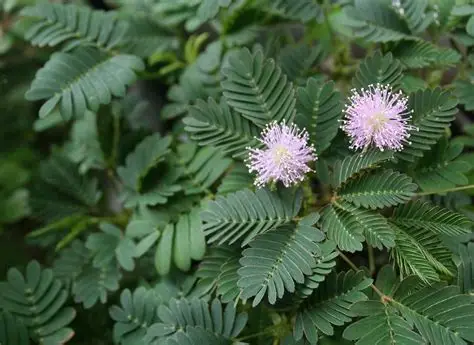
Mimosa Hostilis vs. Mimosa Tenuiflora
If you encounter the names Mimosa hostilis and Mimosa tenuiflora, they are often referring to the same botanical species in modern commercial and botanical contexts.
tenuiflora is the currently accepted name listed by Kew, while this plant is one of its historical synonyms.
This is useful to know when researching botanical literature because information may appear under either name.
It also helps explain why products may be labeled using different terminology, including:
- Mimosa tenuiflora
- Mimosa hostilis
- Mimosa root bark
- MHRB
- Mimosa bark
When purchasing or researching botanical material, the scientific name is generally more useful than relying on the common name alone.
What Is Mimosa Root Bark?
Mimosa root bark refers to the bark material obtained from the roots of Mimosa tenuiflora.
The bark is a woody botanical material rather than a completely separate plant. After harvesting and appropriate processing, it may appear in different physical forms.
Two commonly encountered forms are shredded root bark and root bark powder.
The appearance can vary depending on the source, processing method, moisture level, and degree of grinding.
What Does this plant Look Like?
Root bark can have a fibrous, woody appearance with colors ranging from tan and reddish-brown to deeper brown shades.
Natural botanical material is not necessarily identical from one batch to another. Differences can occur because of:
- Plant age
- Growing environment
- Soil conditions
- Harvesting practices
- Drying conditions
- Storage conditions
- Processing methods
For this reason, appearance should be considered together with sourcing information and product documentation when evaluating botanical material.
What Is Shredded Mimosa Bark?
Shredded bark is root bark that has been cut or broken into smaller pieces while remaining recognizable as bark material.
Compared with finely ground powder, shredded bark retains more of its original fibrous structure.
This form can be useful for people who want to visually inspect the botanical material before further processing for legitimate non-consumptive applications.
Shredded material may show variations in:
- Fiber structure
- Piece size
- Color
- Texture
- Moisture
These characteristics can also make shredded bark easier to visually distinguish from very finely ground plant material.
What Is Mimosa Root Bark Powder?
Mimosa root bark powder is the same type of botanical root-bark material after it has been mechanically ground into a finer consistency.
Grinding changes the physical form of the material but does not turn it into a different plant.
Powder generally has a much more uniform appearance than shredded bark because the larger pieces of bark have been reduced into smaller particles.
For educational or botanical purposes, powder can be useful where a finely divided plant material is preferred, including certain traditional or natural-material applications.
Because powder contains many small particles, however, its original bark structure is much harder to inspect visually.
Shredded Bark vs. Root Bark Powder
The primary difference between these forms is particle size and physical appearance.
| Feature | Shredded Root Bark | Root Bark Powder |
|---|---|---|
| Physical form | Small bark pieces | Finely ground material |
| Texture | Fibrous and woody | Fine and granular |
| Visual inspection | Easier | More difficult |
| Particle size | Larger | Much smaller |
| Storage | Requires a dry environment | Requires protection from moisture |
| Identification | Bark structure is more visible | Original structure is less obvious |
Neither form should automatically be considered “better.” The appropriate form depends on the intended legitimate botanical or material application.
Why Is Mimosa Root Bark Interesting Botanically?
Mimosa tenuiflora has attracted attention because of its history in ethnobotany, traditional plant knowledge, natural-material applications, and botanical research.
The species has been documented in connection with traditional uses in parts of its native range. Kew’s botanical database also records uses associated with animal food, medicine, social uses, and fuel.
Its bark has also attracted scientific interest because plants in the Mimosa genus contain a diverse range of naturally occurring chemical compounds.
However, traditional use should not automatically be interpreted as proof of medical effectiveness. Scientific evidence varies considerably depending on the specific use, preparation, and compound being investigated.
Mimosa and Natural Dye Applications
Mimosa bark is also of interest as a natural plant material for coloring and dye-related experimentation.
Plant-based dyes have historically been obtained from many different parts of plants, including bark, roots, leaves, flowers, and fruits.
Mimosa bark can produce earthy shades depending on the material, processing conditions, fabric, mordant, and dyeing method.
For readers interested in botanical colorants, this makes mimosa bark an interesting example of how plant materials can be explored as natural sources of color.
How to Store Mimosa Root Bark and Powder
Whether the material is shredded or powdered, proper storage helps preserve its physical quality.
A suitable storage environment should generally be:
- Dry
- Cool
- Away from direct sunlight
- Protected from excessive humidity
- Kept in a clean, sealed container
Moisture is particularly important because dried botanical materials can absorb water from humid environments.
Powder can be especially sensitive to environmental exposure because its smaller particles provide more surface area.
For long-term storage, keeping botanical material in an appropriately sealed container and away from heat and humidity can help maintain its condition.
How to Identify Quality Mimosa Root Bark
Identifying botanical quality involves more than looking at color alone.
Some characteristics that can be considered include:
1. Botanical identity
The first question is whether the material is actually sourced from the species being claimed.
Using the scientific name, tenuiflora, can help reduce confusion caused by common names.
2. Physical appearance
Shredded root bark should generally retain recognizable bark-like and fibrous characteristics.
Powder will naturally be less visually distinctive because grinding removes much of the original structure.
3. Moisture condition
Excessive moisture can negatively affect dried plant material and may contribute to deterioration during storage.
4. Consistency
A well-processed batch should generally have reasonably consistent particle size for its stated form.
5. Supplier transparency
Information about botanical identity, sourcing, processing, and quality-control practices can help buyers make more informed decisions.
Why the Scientific Name Matters
Common names can be confusing.
The word “mimosa” can refer to several different plants, while scientific names provide a more precise way of identifying a species.
For example, Mimosa pudica and tenuiflora are different species.
Mimosa pudica is famous for its touch-sensitive leaves, while tenuiflora is a woody species associated with root-bark products and ethnobotanical research.
Therefore, when researching mimosa products, always check the scientific name rather than assuming every product labeled “mimosa” comes from the same plant.
Is Mimosa the Same as the Mimosa Drink?
No.
The botanical genus Mimosa has nothing to do with the popular brunch beverage called a mimosa.
The drink is traditionally made using sparkling wine and citrus juice, whereas botanical references to this plant concern plants in the genus Mimosa.
The identical common word can therefore create confusion when searching online.
Frequently Asked Questions
What is a mimosa plant?
Mimosa is a genus of flowering plants in the legume family Fabaceae. Different species have different characteristics and geographic ranges.
What is Mimosa tenuiflora?
tenuiflora is a woody shrub or small tree native to parts of the Americas. Mimosa hostilis is a historical synonym associated with this species.
Is Mimosa hostilis the same as tenuiflora?
In modern botanical classification, Mimosa tenuiflora is the accepted name listed by Kew, while hostilis is a synonym.
What is mimosa root bark?
this root bark is the bark from the roots of tenuiflora. It may be encountered as larger pieces, shredded bark, or finely ground powder.
What is MHRB powder?
MHRB commonly stands for Hostilis Root Bark. In commercial descriptions, MHRB powder generally refers to this root-bark material in finely ground form.
What is the difference between shredded bark and powder?
Shredded bark consists of larger pieces that retain more of the original fibrous structure, while powder has been mechanically ground into much smaller particles.
Is Mimosa pudica the same as Mimosa tenuiflora?
No. They are different species. Mimosa pudica is widely known as the sensitive plant because its leaves respond to touch, while Mimosa tenuiflora is a woody species associated with root-bark material.