Mimosa Pudica Plant Care:
The Mimosa pudica plant, commonly called the sensitive plant or touch-me-not plant, is one of the most fascinating plants you can grow at home. Its delicate leaves fold inward when touched, making it especially interesting for plant enthusiasts, children, classrooms, and tropical gardens.
Although Mimosa pudica is relatively easy to grow in the right environment, it needs the correct combination of light, moisture, warmth, soil, and airflow to remain healthy.
This complete guide to mimosa pudica plant care explains how to grow and maintain this unusual plant, including watering, sunlight, soil requirements, temperature, propagation, pruning, common problems, and pest management.
What Is Mimosa Pudica?
Mimosa pudica L. belongs to the Fabaceae family, the same broad plant family that includes many legumes. It is native to tropical regions of the Americas and is now cultivated or naturalized in many tropical and subtropical regions around the world.
The plant is famous for its rapid leaf movement. When touched or disturbed, its compound leaves fold together and the leaf stalk may droop. This movement is called thigmonasty or touch-induced movement.
The response occurs because water moves within specialized plant tissues, causing changes in cell pressure and allowing the leaves to fold.
Mimosa pudica can grow as an annual, perennial, or small subshrub depending on its environment. It commonly develops pink or lilac flower heads and stems that may have small prickles.
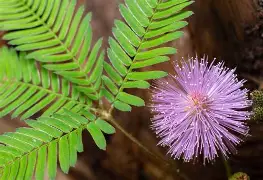
Why Is Mimosa Pudica Popular With Plant Lovers?
The sensitive plant is popular because it offers something most houseplants do not: visible movement.
A healthy plant can respond quickly when its leaves are gently touched. The movement makes it useful for educational demonstrations about plant biology and environmental responses.
Other attractive features include:
- Delicate fern-like foliage
- Pink or purple flower heads
- Interesting leaf movements
- Relatively fast growth under suitable conditions
- Ability to grow from seed
- Adaptability to warm tropical environments
However, the plant should not be treated as completely maintenance-free. Consistent moisture, adequate light, and warm temperatures are important for good growth.
Mimosa Pudica Plant Care Requirements
Successful mimosa pudica plant care starts with understanding the conditions the plant naturally prefers.
Because Mimosa pudica originates from tropical America and is associated with warm environments, it generally performs best when provided with warmth, bright light, moisture, and well-draining growing conditions.
Let’s look at each requirement in detail.
1. Choose the Right Location
Choose a location that receives plenty of bright light and has good airflow.
Mimosa pudica can be grown outdoors in suitable tropical climates or indoors near a bright window.
If you are growing it indoors, a location close to a sunny window can work well. However, watch the plant during periods of very intense afternoon sunlight because excessive heat through glass can stress young plants.
For outdoor growing, choose an area with good light and soil drainage.
Best location characteristics:
- Bright natural light
- Warm temperatures
- Good air circulation
- Protection from extreme cold
- Well-draining soil
- Enough space for the plant to spread
2. How Much Sunlight Does Mimosa Pudica Need?
Light is one of the most important parts of mimosa pudica plant care.
Mimosa pudica generally performs well in bright light. Young plants should receive plenty of light so they can develop strong stems and healthy foliage.
If the plant receives too little light, you may notice:
- Long, weak stems
- Sparse leaves
- Slow growth
- Reduced flowering
- Pale or less vigorous foliage
If growing indoors, place the plant near a bright window where it can receive several hours of good-quality light.
Outdoor plants can generally tolerate stronger sunlight when gradually acclimated to it.
Tip
If moving a plant from a shaded indoor environment to strong outdoor sunlight, do it gradually rather than exposing it to intense sunlight immediately.
3. What Soil Is Best for Mimosa Pudica?
Mimosa pudica prefers growing conditions that provide moisture without leaving the roots permanently waterlogged.
A good potting mixture should therefore be:
- Moisture-retentive but well-draining
- Rich in organic matter
- Loose enough for roots to develop
- Well aerated
A basic homemade mixture can combine quality potting soil with organic material and a drainage-improving component such as perlite or coarse material.
Avoid heavy compacted soil that stays saturated for long periods.
Good drainage is particularly important when growing Mimosa pudica in containers because excess water around the roots can contribute to root problems.
Suggested internal link: Add an internal link around “choosing the right soil for tropical plants” if you have an existing soil or potting-mix article.
4. How Often Should You Water Mimosa Pudica?
Watering is another important part of mimosa pudica plant care.
The plant generally prefers consistent moisture while actively growing, but that does not mean the soil should remain constantly saturated.
Check the surface of the soil before watering.
If the upper layer feels dry, water thoroughly until some water drains from the bottom of the container. Then allow excess water to drain away.
Avoid leaving the pot sitting in a saucer filled with water.
Signs of watering problems
Too little water may cause:
- Drooping leaves
- Dry soil
- Wilting
- Slow growth
- Leaf loss
Too much water may cause:
- Persistently wet soil
- Yellowing foliage
- Poor growth
- Root problems
- Fungal issues
The goal is even moisture with good drainage.
5. What Temperature Does Mimosa Pudica Need?
Warm temperatures are important for healthy Mimosa pudica growth.
Because the species is associated with tropical environments, it does not perform well when exposed to prolonged cold conditions. Kew notes that the plant is cultivated as a houseplant and that seedlings are kept moist under bright light at around 18°C in its tropical nursery cultivation.
For home growing, protect Mimosa pudica from:
- Frost
- Freezing temperatures
- Cold drafts
- Sudden temperature changes
- Prolonged exposure to cold conditions
If you live in a cooler climate, container growing makes it easier to move the plant indoors when temperatures fall.
6. Humidity and Airflow
Mimosa pudica generally appreciates a warm, reasonably humid environment.
Indoor plants can sometimes struggle when the air becomes extremely dry, particularly during heating or air-conditioning.
However, increasing humidity should not come at the expense of airflow.
Poor airflow combined with excessive humidity can encourage fungal and pest problems.
Instead of constantly misting the foliage, focus on:
- Proper watering
- Good drainage
- Adequate humidity
- Good ventilation
- Sufficient spacing between plants
7. Fertilizing Mimosa Pudica
Mimosa pudica does not need excessive fertilizer.
During active growth, a balanced, diluted fertilizer can be used according to the product’s instructions.
Avoid applying excessive amounts of fertilizer because high concentrations can damage roots and cause nutrient imbalance.
An important botanical feature is that Mimosa pudica, like many legumes, forms associations with nitrogen-fixing bacteria in root nodules. These bacteria can convert atmospheric nitrogen into forms the plant can use.
That does not mean fertilizer is unnecessary, but it is another reason to avoid assuming that more nitrogen automatically means better growth.
8. How to Grow Mimosa Pudica From Seed
Growing Mimosa pudica from seed can be a rewarding way to start your own plants.
Kew’s cultivation information describes scarifying the seed and soaking it in water overnight before sowing. The seeds can germinate readily under appropriate conditions.
Basic propagation process
Step 1: Prepare the seeds
Mimosa pudica seeds have a relatively hard outer coating. Light scarification can help water penetrate the seed coat.
Step 2: Soak the seeds
Soak prepared seeds in water according to your chosen propagation method.
Step 3: Prepare the growing medium
Use a clean, loose, well-draining seed-starting medium.
Step 4: Sow the seeds
Place the seeds into the growing medium and cover them lightly.
Step 5: Maintain moisture
Keep the growing medium consistently moist without making it waterlogged.
Step 6: Provide warmth and light
Place the container somewhere warm with bright light.
Step 7: Transplant carefully
Once seedlings are established, move them into individual containers or their final growing location.
9. Do You Need to Prune Mimosa Pudica?
Pruning is not always necessary, but occasional trimming can help maintain the plant’s shape.
Remove:
- Dead stems
- Damaged growth
- Diseased-looking foliage
- Excessively weak or unwanted stems
If your plant becomes long and sparse, selective trimming can encourage a more compact appearance.
Always use clean pruning tools to reduce the possibility of spreading plant diseases.
10. Why Does Mimosa Pudica Close Its Leaves?
One of the most fascinating characteristics of Mimosa pudica is its ability to fold its leaves when touched.
This is not a sign that the plant is dying.
The movement is a natural biological response. Mechanical stimulation can trigger chemical and water-pressure changes in specialized tissues, causing the leaflets to fold and the stalk to droop.
The response is believed to have defensive value, potentially discouraging herbivores or dislodging small insects.
The leaves usually reopen after a period of time.
Should you keep touching the leaves?
Although occasional gentle interaction is fascinating, there is no horticultural benefit to repeatedly stimulating the plant throughout the day.
Give your Mimosa pudica plenty of time to recover and focus primarily on providing good growing conditions.
11. Common Mimosa Pudica Problems
Even though the sensitive plant can be relatively easy to grow, problems can occur.
Yellow Leaves
Yellowing can have several causes, including:
- Excessive watering
- Poor drainage
- Root problems
- Insufficient light
- Nutritional stress
Check the soil moisture and growing conditions before adding fertilizer.
Drooping Leaves
Drooping can happen because of:
- Underwatering
- Root stress
- Excessive heat
- Poor growing conditions
Check the soil before deciding whether the plant needs more water.
Slow Growth
If your plant is growing slowly, check:
- Light levels
- Temperature
- Soil drainage
- Watering routine
- Container size
- Nutrient availability
Mimosa pudica seedlings benefit from warm conditions, moisture, and bright light.
12. Mimosa Pudica Pests
Mimosa pudica can experience pest problems, particularly when grown indoors or under protected conditions.
Kew identifies pests including red spider mites, thrips, and mealybugs as potential problems for cultivated plants.
Inspect the plant regularly, especially:
- Under leaves
- Around new growth
- Along stems
- Near leaf joints
Early detection makes pest management much easier.
If you notice pests, isolate an affected indoor plant from other houseplants and identify the pest before selecting an appropriate treatment.
13. Can Mimosa Pudica Be Grown Indoors?
Yes. Mimosa pudica is commonly cultivated as a houseplant, particularly in climates where outdoor temperatures become too cold.
For indoor cultivation, provide:
- A bright location
- Warm temperatures
- Well-draining soil
- A container with drainage holes
- Consistent but controlled watering
- Good airflow
A sunny window can be a practical starting point.
Remember that indoor plants may receive significantly less light than plants growing outdoors, so monitor their growth and adjust their location if they become weak or unusually stretched.
14. Growing Mimosa Pudica Outdoors
In warm tropical and subtropical environments, Mimosa pudica can be grown outdoors.
Its natural range is tropical America, and it has been introduced to many tropical regions around the world.
Before planting outdoors, consider your local environment.
Provide:
- Good sunlight
- Adequate drainage
- Consistent moisture during active growth
- Protection from extreme weather
- Enough room for growth
One important consideration is that Mimosa pudica can behave invasively in some regions. Kew notes that it has become a problematic weed in various tropical areas.
Therefore, gardeners should check local regulations and invasive-species guidance before intentionally establishing it outdoors.
Suggested outbound link: Link “check local invasive plant guidance” to your country’s official agriculture, environment, or invasive-species authority.
15. Is Mimosa Pudica Safe to Handle?
The plant can be fascinating to touch, but it should still be treated as a botanical specimen rather than a food or unverified herbal remedy.
Kew notes that Mimosa pudica contains mimosine, a non-protein amino acid, and that the plant’s stems can have sharp prickles.
Avoid consuming the plant unless you have reliable, professional guidance regarding its safety and intended use.
Keep plants away from small children and pets who may chew on them.
16. Mimosa Pudica Plant Care: Quick Checklist
For an easy reference, remember these basic care requirements:
| Care Requirement | General Guidance |
|---|---|
| Light | Bright light |
| Soil | Loose and well-draining |
| Water | Keep moderately and consistently moist |
| Temperature | Warm conditions |
| Humidity | Moderate to high humidity is generally beneficial |
| Fertilizer | Use moderately during active growth |
| Propagation | Commonly grown from seed |
| Pruning | Remove damaged or unwanted growth |
| Pests | Watch for mites, thrips, and mealybugs |
| Container | Always use drainage holes |
| Outdoor growing | Check local invasive-species guidance |
Frequently Asked Questions About Mimosa Pudica Plant Care
How often should I water Mimosa pudica?
Water when the upper portion of the growing medium begins to dry, then water thoroughly and allow excess water to drain. Avoid keeping the roots permanently saturated.
Does Mimosa pudica need direct sunlight?
It benefits from bright light. Indoor plants should be placed in a bright location, while outdoor plants can be acclimated to stronger sunlight.
Why does my Mimosa pudica close its leaves?
Closing its leaves is a natural response to touch or mechanical stimulation. Changes in water movement within specialized tissues cause the leaves to fold.
Can Mimosa pudica grow in a pot?
Yes. Container growing is particularly useful because it allows you to control soil, moisture, and temperature more easily.
Can I grow Mimosa pudica from seed?
Yes. Kew propagates the plant from seed and describes scarification and soaking as part of its cultivation process.
Does Mimosa pudica like humidity?
It generally performs well in warm, humid conditions associated with tropical growth. Good ventilation is still important.
Is Mimosa pudica a perennial?
It can be an annual, perennial, or subshrub depending on environmental conditions.