Mimosa Hostilis as a Natural Dye: An Educational Introduction
Introduction
Natural dyes have been used for centuries to add color to textiles, leather, wood, and other natural materials. Unlike synthetic dyes, natural dyes come from biological sources such as plants, minerals, insects, and other naturally occurring materials.
Mimosa Hostilis, a historical name for Mimosa tenuiflora, is one botanical material that has attracted interest because its bark contains substantial amounts of tannins and other phenolic compounds. Scientific research has specifically examined Mimosa tenuiflora extracts in textile dyeing and reported their use as a colorant for cotton fabrics.
This article provides an educational introduction to Mimosa Hostilis as a natural dye, explaining the botanical background, the chemistry that makes the bark interesting for coloration, factors that influence color, and the importance of responsible sourcing.
What Is Mimosa Hostilis?
Mimosa hostilis is a historical botanical name associated with Mimosa tenuiflora (Willd.) Poir.
Kew’s botanical resources recognize Mimosa tenuiflora as the accepted name and list Mimosa hostilis among its scientific synonyms. The species belongs to the Fabaceae family and occurs naturally in parts of tropical and subtropical America.
The plant is also known by several regional names, including jurema preta in Brazil and tepescohuite in Mexico.
Its bark has attracted scientific and traditional interest because it contains tannins and other naturally occurring compounds. Research examining Mexican M. tenuiflora bark found tannins to be the major component group in the material studied.
Why Can Mimosa Hostilis Bark Be Used as a Natural Dye?
One of the most interesting characteristics of the bark is its tannin content.
What are tannins?
Tannins are naturally occurring polyphenolic compounds found in many plants.
They can interact with proteins and other materials and have long been important in traditional applications such as:
- Natural coloration
- Leather tanning
- Wood treatments
- Plant-based materials
- Traditional crafts
Research on Mimosa tenuiflora bark has identified tannins as a major group of compounds in the bark.
This chemical composition helps explain why the plant has attracted interest as a source of natural colorants and tannin-rich materials.
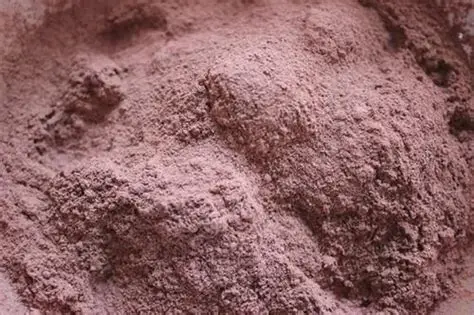
Mimosa Hostilis and Textile Dyeing
Scientific research has directly examined Mimosa tenuiflora extract in textile applications.
A study published in the Journal of Saudi Chemical Society investigated the dyeing of white and indigo-dyed cotton fabrics using Mimosa tenuiflora extract. The researchers evaluated color strength and colorfastness and also investigated the effect of different mordants.
The research demonstrates an important point:
Mimosa tenuiflora is not simply a theoretical natural dye source; its extracts have been experimentally investigated for textile coloration.
What Color Does Mimosa Hostilis Produce?
Natural dyes do not always produce one fixed color.
The resulting shade can vary depending on:
- Plant material
- Geographic origin
- Age of the material
- Processing
- Concentration
- Fabric type
- Water chemistry
- pH
- Mordant
- Temperature
- Dyeing conditions
- Duration of the process
This variability is one of the defining characteristics of natural dyeing.
Instead of expecting exactly one color every time, natural dyers often work with a range of earthy and natural tones.
The exact color produced by Mimosa tenuiflora should therefore be treated as an experimental result rather than a guaranteed shade.
Why Natural Dye Colors Vary
Two batches of plant material can produce somewhat different results.
This can happen because plants are biological materials rather than standardized synthetic chemicals.
Environmental conditions can influence plant chemistry.
Factors such as:
- Climate
- Soil
- Rainfall
- Sunlight
- Plant age
- Geographic origin
can contribute to natural variation.
[INTERNAL LINK: Link “How Climate and Soil Conditions Affect Mimosa tenuiflora” to your existing climate-and-soil article.]
This is an important concept for anyone interested in achieving repeatable results with natural dyes.
The Role of Mordants
A mordant is a substance used in some dyeing processes to help a dye interact with a textile fiber.
Different mordants can affect:
- Color
- Color intensity
- Shade
- Fastness
- Interaction between dye and fiber
Research involving Mimosa tenuiflora extract and cotton fabrics evaluated several metal-salt mordants and found differences in color characteristics and fastness.
This demonstrates why a natural dye should not be described as producing one universal color.
The final result depends partly on the relationship between:
Dye source + textile fiber + mordant + dyeing conditions.
What Materials Can Be Dyed?
Natural dyeing can be performed with many natural fibers and materials.
Common textile examples include:
Cotton
Cotton is a plant-based cellulose fiber and is widely used in natural dye experiments.
The published Mimosa tenuiflora study specifically investigated cotton fabrics.
Linen
Linen is another cellulose-based fiber commonly used in natural dyeing.
Wool
Wool is a protein-based fiber and behaves differently from cellulose fibers.
Silk
Silk is also a protein fiber and can interact differently with natural colorants.
Because different fibers have different chemical structures, the same botanical dye can produce different results on different fabrics.
Natural Dyeing Is About Experimentation
One of the most enjoyable aspects of plant-based dyeing is experimentation.
Rather than expecting every batch to produce exactly the same result, natural dyers can compare:
- Different fabrics
- Different batches of plant material
- Different dye concentrations
- Different mordants
- Different pH conditions
- Different dyeing times
The resulting differences can help reveal how botanical materials interact with textiles.
This makes natural dyeing both a craft and an educational study of plant chemistry.
Mimosa Hostilis Bark vs. Powder for Natural Dyeing
Mimosa Hostilis material may be available in different physical forms, including larger bark pieces, shredded bark, and powder.
Bark
Bark retains more of the original plant structure.
Advantages can include:
- Easier visual inspection
- Less processing
- Visible bark fibers
- Easier assessment of foreign material
Powder
Powder has been processed into smaller particles.
Advantages can include:
- More uniform particle size
- Convenient handling
- Compact storage
- Consistent physical form
However, powder can be more difficult to visually inspect because the original bark structure has been removed.
Why Storage Matters for Natural Dye Materials
The condition of a botanical dye source can affect its usefulness.
Moisture, heat, light, and contamination can all contribute to deterioration of dried plant material.
For powdered material in particular, humidity can cause clumping and create storage problems.
A suitable storage environment should generally be:
- Dry
- Clean
- Cool
- Protected from direct sunlight
- Protected from moisture
Proper storage does not guarantee a particular dye result, but it helps protect the physical condition of the botanical material.
Understanding Colorfastness
One of the biggest challenges with natural dyes is colorfastness.
Colorfastness describes how well a color withstands conditions such as:
- Washing
- Rubbing
- Light exposure
- Moisture
Natural dyes can vary significantly in their fastness characteristics.
The published study of Mimosa tenuiflora extract on cotton evaluated washing, rubbing, and light fastness and found that results varied depending on the textile and treatment.
This is why natural dyeing should be approached experimentally.
A beautiful color does not necessarily mean the color will remain unchanged after repeated washing or prolonged sunlight.
Natural Dyeing vs. Synthetic Dyeing
Natural and synthetic dyes have different characteristics.
dyes can offer:
- Plant-based color sources
- Distinctive shades
- Historical and cultural significance
- Opportunities for sustainable-material research
- Unique variation between batches
Synthetic dyes
Synthetic dyes generally offer:
- Greater consistency
- Broad color ranges
- Industrial scalability
- More predictable performance
Neither category is automatically better for every application.
The appropriate choice depends on the desired color, performance requirements, environmental considerations, cost, and intended use.
Sustainability and Responsible Sourcing
Natural does not automatically mean sustainable.
If plant material is harvested irresponsibly, increasing demand can place pressure on wild populations.
Responsible sourcing should consider:
- Where the plant material comes from
- Whether harvesting is legal
- Whether collection is sustainable
- Whether local ecosystems are being protected
- Whether the supplier provides transparent sourcing information
This is especially important when dealing with materials collected from wild plants.
Why Botanical Identification Matters
Correct plant identification is essential when working with botanical dye materials.
Common names can sometimes refer to multiple plants, while scientific names provide a more precise way to identify a species.
For Mimosa tenuiflora, the historical name Mimosa hostilis remains widely encountered.
Scientific research has also demonstrated why identification matters: a pharmacognostical study of M. tenuiflora bark developed morphological and chemical parameters useful for authenticating genuine material and detecting adulterants in commercial samples.
What Makes a Good Natural Dye Material?
When evaluating a botanical dye source, consider:
Botanical identity
The material should be correctly identified.
Cleanliness
It should be free from obvious contamination and foreign material.
Dryness
Excess moisture can contribute to deterioration.
Processing
The supplier should clearly explain whether the material is whole, shredded, or powdered.
Storage
The material should have been protected from excessive heat and humidity.
Traceability
Information about origin and batch can be useful for comparing dye results.
A Beginner’s Approach to Natural Dye Experimentation
If you are interested in studying Mimosa Hostilis as a natural dye, keep your experiments organized.
Record:
- Type of textile
- Weight of textile
- Type of botanical material
- Approximate amount used
- Water source
- Dyeing conditions
- Mordant, if applicable
- Dyeing duration
- Final color
- Washing results
- Light exposure results
Keeping notes allows you to compare results between batches.
This is particularly useful because natural dyeing is inherently variable.
Why Natural Dyeing Is Educational
Working with plant-based dyes can teach you about several areas of science at the same time.
Botany
You learn about the plant and its natural environment.
Chemistry
You explore pigments, tannins, pH, and interactions between compounds and fibers.
Ecology
You learn about sustainable harvesting and plant populations.
History
You discover how people have used plants for coloring materials throughout history.
Textile science
You learn how different fibers respond to natural colorants.
This combination makes natural dyeing an excellent educational subject.