The Mimosa Hostilis tree is a remarkable plant known for its unique appearance, adaptability, and long history of traditional use. Native to regions of South America, this resilient tree has attracted interest from botanists, researchers, and natural product enthusiasts because of its distinctive botanical properties and the valuable compounds found in its root bark.
Also known by its scientific name Mimosa tenuiflora, the Mimosa Hostilis tree grows naturally in tropical and subtropical environments, especially in areas of Brazil and Mexico. For centuries, indigenous communities have recognized this plant for its practical applications, while modern interest has expanded due to its natural characteristics and uses.
In this article, we will explore the origin, history, and botanical characteristics of the Mimosa Hostilis tree and explain why this plant continues to be widely studied and appreciated today.
Origin of the Mimosa Hostilis Tree
The Mimosa Hostilis tree originates from South America, particularly northeastern regions of Brazil. It is also found in parts of Mexico and other areas with warm climates.
This tree naturally thrives in dry forests, grasslands, and areas with challenging environmental conditions. Its ability to survive in harsh climates makes it an important species within its native ecosystems.
The Mimosa Hostilis tree is especially well adapted to regions with:
- High temperatures
- Seasonal rainfall
- Dry soil conditions
- Tropical and subtropical environments
Because of its strong root system and ability to regenerate, the tree has become an important plant species in many areas where soil restoration and environmental recovery are needed.
The History of Mimosa Hostilis
The history of the Mimosa Hostilis tree goes back hundreds of years. Indigenous cultures in South America and Mexico have traditionally used different parts of the plant for various purposes.
Historically, the bark of the tree was valued for its natural properties and was used in traditional practices, including applications related to natural dyes, craftsmanship, and cultural rituals.
The tree’s bark has also been used traditionally for creating natural pigments. The presence of tannins and other naturally occurring compounds gives Mimosa Hostilis bark a long history in textile and artistic applications.
Over time, interest in the plant expanded beyond local communities. Botanists began studying its classification, growth patterns, and ecological importance, leading to greater awareness of the species around the world.
Botanical Classification of Mimosa Hostilis
The Mimosa Hostilis tree belongs to the legume family, known scientifically as Fabaceae.
Its classification includes:
- Kingdom: Plantae
- Family: Fabaceae
- Genus: Mimosa
- Species: Mimosa tenuiflora
Although commonly called Mimosa Hostilis, modern botanical references often identify it as Mimosa tenuiflora.
The tree is closely related to other Mimosa species, many of which are recognized for their ability to adapt to different environments
Physical Characteristics of the Mimosa Hostilis Tree
The Mimosa Hostilis tree has several unique characteristics that make it easy to identify.
Tree Size and Structure
Mimosa Hostilis is typically a small to medium-sized tree or shrub. Depending on environmental conditions, it can grow several meters tall.
It usually develops:
- A strong woody trunk
- Spreading branches
- Dense foliage
- A protective outer bark layer
Leaves
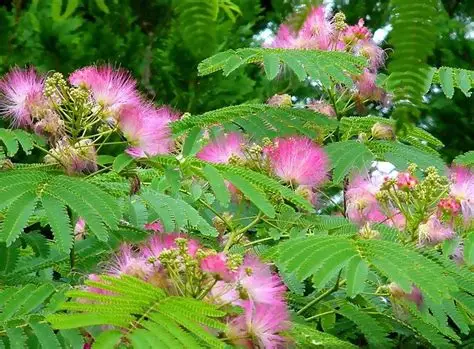
The leaves of the this tree are delicate and fern-like. They are made up of many small leaflets, giving the tree a soft and attractive appearance.
Like many Mimosa species, the leaves respond to environmental conditions and help the plant conserve energy during challenging periods.
Flowers
The tree produces small, fragrant flowers that are typically white or cream-colored.
These flowers grow in clusters and attract pollinators, contributing to the biodiversity of the areas where the plant naturally grows.
Root System and Bark
One of the most recognized features of Mimosa Hostilis is its extensive root system.
The roots help the tree:
- Absorb nutrients efficiently
- Survive dry conditions
- Stabilize soil
The root bark has historically been one of the most valued parts of the plant due to its natural composition and traditional applications.
High-quality Mimosa Hostilis root bark powder (MHRB powder) is commonly sought after by people interested in botanical materials and natural plant products.
Why Mimosa Hostilis Root Bark Is Popular
The popularity of Mimosa Hostilis root bark comes from its long history, botanical uniqueness, and natural properties.
Many people research MHRB because they want to learn more about:
- The origin of the plant
- Traditional uses
- Botanical information
- Natural compounds found within the bark
- Differences between regional varieties
The quality of Mimosa Hostilis root bark can vary depending on factors such as:
- Growing location
- Harvesting methods
- Processing techniques
- Storage conditions
For those looking for premium botanical material, choosing a reliable supplier is important.
At HostilisBark, we provide high-quality Mimosa Hostilis root bark powder sourced with attention to quality and consistency. Visit hostilisbark to learn more about our available MHRB powder products.
Brazilian vs Mexican Mimosa Hostilis
Mimosa Hostilis is commonly associated with both Brazil and Mexico, where different growing conditions can influence the characteristics of the plant.
Brazilian and Mexican varieties may differ in:
- Climate conditions
- Soil composition
- Growth environment
- Bark appearance
These regional differences are part of what makes Mimosa Hostilis an interesting botanical species for researchers and plant enthusiasts.
The Ecological Importance of Mimosa Hostilis
Beyond human interest, the Mimosa Hostilis tree plays an important role in nature.
Its root system helps improve soil stability, while its ability to grow in difficult environments allows it to contribute to ecosystem recovery.
Benefits include:
- Helping prevent soil erosion
- Supporting local biodiversity
- Improving degraded landscapes
- Providing habitat for insects and wildlife
The tree’s resilience makes it an important species within its natural environment.
Frequently Asked Questions About Mimosa Hostilis Tree
Where does Mimosa Hostilis grow naturally?
The Mimosa Hostilis tree naturally grows in parts of South America, especially Brazil, and is also found in regions of Mexico.
What is another name for Mimosa Hostilis?
Mimosa Hostilis is commonly known by its scientific name, Mimosa tenuiflora.
What is Mimosa Hostilis root bark?
Mimosa Hostilis root bark is the outer bark material collected from the roots of the Mimosa Hostilis tree and is valued for its traditional and botanical significance.
Is Mimosa Hostilis a tree or a shrub?
Mimosa Hostilis can grow as both a small tree and a large shrub depending on its environment.
Where can I buy Mimosa Hostilis root bark powder?
High-quality Mimosa Hostilis root bark powder is available from trusted botanical suppliers such as HostilisBark.
Conclusion
The Mimosa Hostilis tree is a fascinating botanical species with a rich history, unique characteristics, and important ecological value. From its origins in South America to its traditional uses and modern popularity, this resilient tree continues to attract interest worldwide.
Understanding the plant’s background helps buyers and enthusiasts appreciate the importance of quality sourcing and responsible use. Whether studying its botanical features or learning about Mimosa Hostilis root bark, this remarkable tree remains one of the most interesting plants in the Mimosa family.