Mimosa Hostilis Root Bark (MHRB), also known by its botanical name Mimosa tenuiflora, has become one of the most recognized botanical materials worldwide. Native to parts of Mexico and Brazil, this remarkable tree has been valued for generations due to its traditional uses, resilience, and unique botanical characteristics
Understanding these differences can help buyers, researchers, and botanical enthusiasts make informed decisions when purchasing Mimosa Hostilis root bark.
What Is Mimosa Hostilis?
Mimosa Hostilis, now more accurately known as Mimosa tenuiflora, is a perennial tree native to parts of Mexico, Brazil, Central America, and other regions of South America. It has long been recognized for its hardy nature, rapid regeneration, and importance in traditional communities.
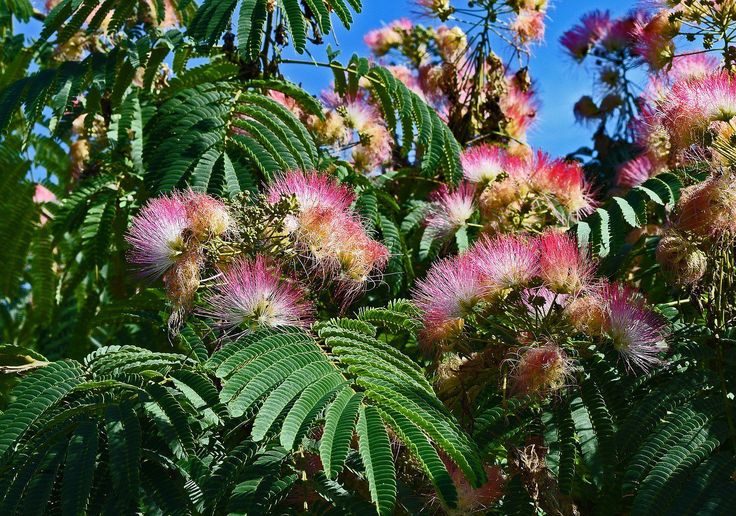
The tree is especially valued for its distinctive root bark, fragrant flowers, fern-like leaves, and ability to thrive in dry climates.
Is Mexican MHRB better than Brazilian MHRB?”
The answer depends on several factors, including harvesting practices, product quality, supplier reputation, and intended use. In this guide, we’ll explore the similarities and differences between Mexican and Brazilian Mimosa Hostilis Root Bark to help you make an informed purchasing decision.
Mexican Mimosa
Mexican Mimosa primarily grows in the southern regions of Mexico, particularly in states such as Oaxaca and Chiapas.
Characteristics
- Adapted to semi-arid climates
- Grows in rocky, well-drained soils
- Typically harvested by experienced local communities
- Often processed shortly after harvest to preserve quality
- Fine reddish-brown root bark when properly dried
Many botanical suppliers appreciate Mexican-grown Mimosa because of established harvesting traditions and sustainable collection methods practiced in several regions.
Brazilian Mimosa
Brazilian Mimosa is commonly found throughout northeastern Brazil, especially in the Caatinga biome, a unique dry tropical forest ecosystem.
Characteristics
- Thrives in hot, dry environments
- Highly drought resistant
- Widely cultivated and naturally occurring
- Harvested from both wild and managed populations
- Commonly exported to international botanical markets
Brazil has become one of the world’s most recognized sources of Mimosa Hostilis due to its large natural populations and experienced harvesting communities.
Similarities Between Mexican and Brazilian MHRB
Although harvested in different countries, both varieties share many characteristics.
Botanical Species
Both originate from the same species:
Mimosa tenuiflora
This means their basic botanical characteristics are fundamentally the same.
Appearance
Both typically feature:
- Dark reddish-purple interior bark
- Fibrous texture
- Earthy natural aroma
- Fine powder when ground
Natural variations in color and texture may occur depending on drying methods, age of the tree, and harvest season.
Traditional Uses
Historically, both Mexican and Brazilian MHRB have been associated with:
- Traditional botanical practices
- Natural plant dyes
- Ethnobotanical research
- Botanical collections
Side-by-Side Comparison
| Feature | Mexican Mimosa | Brazilian Mimosa |
|---|---|---|
| Botanical Name | Mimosa tenuiflora | Mimosa tenuiflora |
| Native Region | Southern Mexico | Northeastern Brazil |
| Climate | Semi-arid | Dry tropical |
| Soil | Rocky, well-drained | Sandy and dry soils |
| Growth Habit | Small tree/shrub | Small tree/shrub |
| Sustainability | Community harvesting | Wild and cultivated harvesting |
| Commercial Availability | Moderate | Widely available |
Are They Different Species?
No.
One of the biggest misconceptions is that Mexican Mimosa and Brazilian Mimosa are different plants.
In reality, they are generally considered the same botanical species (Mimosa tenuiflora). The terms “Mexican” and “Brazilian” simply indicate where the plant was grown or harvested.
As with many botanicals, environmental factors such as rainfall, altitude, soil composition, and harvesting practices can influence the appearance of the bark, but they do not change the species itself.
Does Origin Affect Quality?
Quality depends far more on harvesting and processing practices than on country of origin alone.
Important factors include:
- Sustainable harvesting methods
- Proper drying techniques
- Clean processing
- Careful storage
- Minimal contamination
- Reliable sourcing
A high-quality product from either Mexico or Brazil can be an excellent choice when it has been harvested responsibly and handled with care.
How to Choose High-Quality Mimosa Hostilis Root Bark
When purchasing Mimosa Hostilis, consider the following:
- Verify the botanical name (Mimosa tenuiflora).
- Buy from suppliers who are transparent about the product’s origin.
- Look for clean, well-processed material.
- Check that the product has been stored properly.
- Read customer reviews and supplier information.
The geographic origin is just one aspect of quality. Responsible sourcing and careful processing are equally important.
Frequently Asked Questions
Is Mexican Mimosa stronger than Brazilian Mimosa?
There is no reliable scientific evidence that one origin is inherently “stronger” than the other. Differences are more likely to reflect growing conditions, harvesting, and processing rather than the country of origin.
Are Mexican and Brazilian Mimosa the same plant?
Yes. Both generally refer to Mimosa tenuiflora (formerly Mimosa hostilis), grown in different regions.
Which is better?
Neither origin is universally better. Product quality depends on ethical harvesting, processing, freshness, and supplier standards rather than geography alone.
Why do some suppliers specify the country of origin?
The origin can provide information about where the plant was harvested and may be relevant for traceability, sustainability, and customer preference.