The Mimosa Hostilis tree is one of the most fascinating botanical species found in the tropical and semi-arid regions of South and Central America. Scientifically known as Mimosa tenuiflora, this resilient tree has earned worldwide recognition for its remarkable adaptability, beautiful fern-like foliage, fragrant white flowers, and valuable root bark. Over the centuries, the Mimosa Hostilis tree has been appreciated for its role in traditional practices, ecological restoration, and natural dye production.
Whether you’re a botanical enthusiast, researcher, artisan, or someone interested in premium botanical materials, understanding the Mimosa Hostilis tree helps you appreciate why its root bark is so highly valued. At HostilisBark.com, we are committed to providing premium-quality Mimosa Hostilis Root Bark and Root Bark Powder while sharing reliable educational resources to help customers make informed decisions.
What Is the Mimosa Hostilis Tree?
The Mimosa Hostilis tree, also referred to as Mimosa tenuiflora, belongs to the Fabaceae (legume) family. Native primarily to Brazil and parts of Mexico, it thrives in warm climates with dry seasons and poor soils where many other plants struggle to survive.
The tree is widely admired because of its ability to regenerate quickly after droughts and environmental disturbances. This resilience has made it an important species in ecological restoration projects throughout its native habitat.
Physical Characteristics of the Mimosa Hostilis Tree
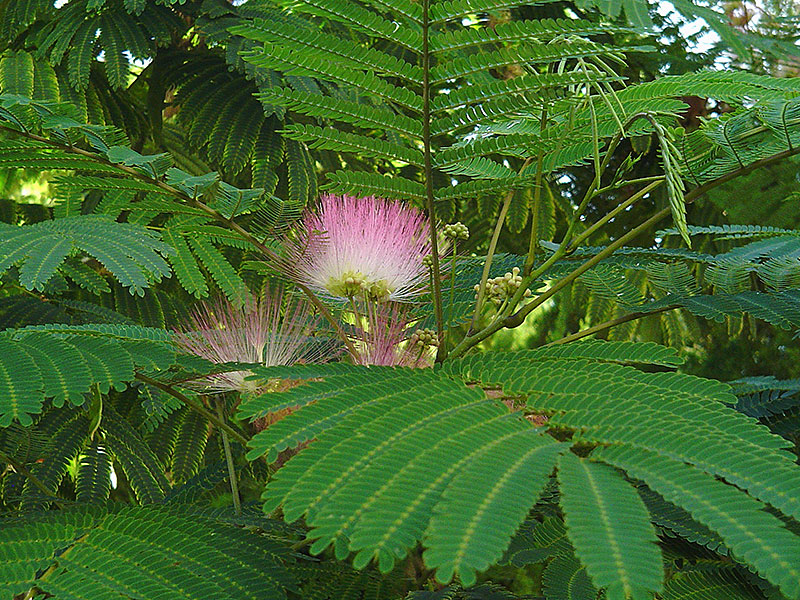
One reason the Mimosa Hostilis tree is easy to recognize is its distinctive appearance.
- Height
A mature tree typically grows between 4 and 8 meters (13–26 feet), although environmental conditions can influence its size.
- Leaves
Its delicate, fern-like leaves consist of many small leaflets that fold slightly under certain environmental conditions.
- Flowers
The tree produces beautiful, cream-colored to white flowers arranged in cylindrical spikes. These fragrant blossoms attract bees and other pollinators.
- Bark
The trunk features rough, dark brown bark, while the underground root bark displays a rich reddish-purple color that makes it highly recognizable.
- Thorns
Small thorns along the branches provide natural protection against grazing animals.
Where Does this Tree Grow?
The Mimosa Hostilis tree naturally grows in tropical and subtropical climates, particularly in:
- Brazil
- Southern Mexico
- Central America
- Parts of northern South America
It thrives in:
- Well-drained soils
- Semi-arid environments
- Dry forests
- Open grasslands
- Areas with seasonal rainfall
Its impressive drought tolerance allows it to flourish where many other tree species cannot.
The Mimosa Hostilis tree is considered a relatively fast-growing species.
Its life cycle generally includes:
- Seed germination
- Young seedling establishment
- Rapid vegetative growth
- Flowering
- Seed production
- Continuous regeneration
One of its most remarkable characteristics is its ability to recover quickly after cutting or natural disturbances, making it valuable for sustainable land management.
Ecological Importance
Beyond its botanical interest, the Mimosa Hostilis tree contributes to healthy ecosystems in several ways.
As a member of the legume family, it helps improve soil quality through nitrogen fixation, supporting surrounding vegetation. Its flowers provide nectar for pollinators, while its root system helps reduce soil erosion in vulnerable landscapes.
These ecological benefits make it an important species in habitat restoration and sustainable land management.
Traditional Uses of the Mimosa Hostilis Tree
For generations, communities within the tree’s native range have valued various parts of the plant for traditional purposes.
Historically documented applications include:
- Natural textile dyeing
- Vegetable leather tanning
- Ecological restoration
- Botanical research
- Traditional cultural practices
Today, artisans continue to appreciate the tree’s naturally tannin-rich root bark for plant-based dyeing and leatherworking.
Why the Root Bark Is Highly Valued
Among all parts of the Mimosa Hostilis tree, the root bark is especially prized due to its:
- Rich natural tannin content
- Distinctive reddish-purple coloration
- Dense botanical structure
- Consistent quality when responsibly harvested
Customers often choose between:
- Whole Root Bark
Suitable for buyers who prefer the bark in its natural form.
- Root Bark Powder
Finely milled for convenience in appropriate botanical and natural dye applications.
How to Identify a Quality Mimosa Hostilis Product
When shopping for Mimosa Hostilis Root Bark, quality matters. Look for products that are:
- Responsibly sourced
- Properly cleaned and processed
- Fresh with vibrant coloration
- Free from unnecessary contaminants
- Securely packaged for freshness
Purchasing from a reputable supplier helps ensure consistency and product integrity.
Final Thoughts
The Mimosa Hostilis tree is a remarkable species known for its resilience, ecological importance, and long history of traditional use. Its fast growth, ability to thrive in challenging environments, and naturally tannin-rich root bark have made it an important botanical resource for artisans, researchers, and plant enthusiasts around the world.
Whether you’re learning about the tree’s biology, exploring its traditional applications, or searching for premium botanical materials, understanding the Mimosa Hostilis tree is the first step toward appreciating its unique value.
For additional educational resources and carefully sourced Mimosa Hostilis Root Bark and Root Bark Powder, visit HostilisBark.com and discover why customers trust us for quality botanical products and reliable information.