Mimosa Hostilis uses have attracted interest for generations due to the plant’s rich botanical history and versatility. Native to regions of Brazil, Mexico, and Central America, Mimosa Hostilis (also name as Mimosa tenuiflora) has traditionally been valued for natural dyeing, leather tanning, ecological restoration, and botanical research. Today, interest in Mimosa Hostilis uses continues to grow as artisans, researchers, and botanical enthusiasts seek to better understand this remarkable plant. In this guide, we’ll explore its traditional and modern applications, explain why its root bark is so highly regarde, and show you where to find premium-quality Mimosa Hostilis Root Bark and Root Bark Powder at hostilisbark.com
Among all parts of the plant, Mimosa Hostilis Root Bark (MHRB) is the most sought after because of its rich natural tannin content, vibrant pigmentation, and long history of traditional use.
In this guide, we’ll explore the most well-known uses of Mimosa Hostilis, its botanical significance, and what to look for when sourcing high-quality root bark.
What Is Mimosa Hostilis?
Mimosa Hostilis (Mimosa tenuiflora) is a perennial tree belonging to the Fabaceae family. It grows naturally in Brazil, Mexico, and several other tropical regions where it thrives in dry climates.
The tree is recognized by its:
- Fern-like leaves
- White, fragrant flowers
- Thorn-covered branches
- Deep purple to reddish-brown root bark
Its resilience and rapid regrowth have made it an important species in ecological restoration and traditional land management practices.
Traditional Uses of Mimosa Hostilis
For centuries, local communities have incorporated Mimosa Hostilis into various cultural traditions.
Historically, the plant has been associated with:
- Traditional botanical practices
- Natural textile dyeing
- Tannin-rich leather processing
- Soil restoration projects
- Sustainable reforestation
Many of these traditional uses is being use to document in ethnobotanical literature, highlighting the plant’s longstanding importance within its native regionsative to synthetic dyes.
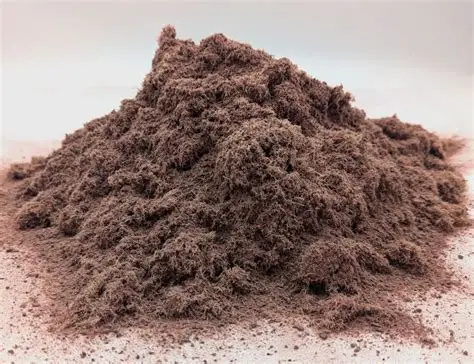
Mimosa Hostilis as a Natural Dye
One of the most widely recognized modern uses of Mimosa Hostilis Root Bark is as a natural source of dye.
Its bark contains naturally occurring tannins and pigments that can produce rich shades of:
- Purple
- Burgundy
- Deep brown
- Red
- Black (depending on mordants and techniques)
Natural dyers often use Mimosa Hostilis for coloring:
- Cotton
- Wool
- Silk
- Leather
- Handmade textiles
Because it is plant-base, many artisans appreciate it as an alternative to synthetic dyes.
Leather Craft Applications
The bark’s naturally high tannin content has made it valuable in traditional leatherworking.
Vegetable tanning relies on tannins extracted from plants to help stabilize animal hides while producing durable leather with distinctive natural coloring.
Although many commercial tanneries now use modern methods, botanical tanning remains popular among artisan leather workers.
Botanical and Horticultural Interest
Beyond its root bark, Mimosa Hostilis is appreciated as a hardy ornamental tree.
Gardeners value it for:
- Fast growth
- Drought tolerance
- Nitrogen-fixing ability
- Attractive flowers
- Wildlife support
These characteristics make it useful in landscape restoration and agroforestry projects in suitable climates.
Interest in Skincare Research
Some cosmetic and botanical research has explored plant extracts from Mimosa Hostilis for their potential use in skincare formulations.
While interest in these extracts continues, it’s important to note that research is ongoing, and products containing botanical ingredients should be evaluated base on their specific formulations and intended uses. Claims about treating or preventing medical conditions should not be without strong clinical evidence.
Why Root Bark Is the Most Popular Part
Although every part of the tree has botanical value, the root bark remains the most commonly sought-after portion because of its:
- Rich natural tannins
- Dense fiber structure
- Vibrant coloration
- Consistent quality when responsibly harvested
For convenience, many buyers choose between:
- Whole Root Bark
Ideal for buyers who prefer processing the material themselves.
- Root Bark Powder
Finely milled for easier handling and use in appropriate botanical and dyeing applications.
Why Choose HostilisBark.com?
At HostilisBark.com, we are committed to providing carefully sourced Mimosa Hostilis Root Bark and Root Bark Powder for customers seeking premium botanical materials.
We focus on:
- Premium-quality products
- Carefully processed root bark
- Whole bark and powdered options
- Secure packaging
- Reliable shipping
- Responsive customer service
Whether you’re a botanical enthusiast, natural dye artisan, or researcher looking for high-quality plant material, our goal is to provide dependable products backed by knowledgeable support.
If you’d like to learn more about our products or browse our selection, visit HostilisBark.com.
Final Thoughts
Mimosa Hostilis is a fascinating botanical species with a rich cultural history and a variety of traditional and modern applications. From natural dyeing and leatherworking to horticultural interest, it continues to be appreciated for its unique characteristics.
If you’re looking for premium Mimosa Hostilis Root Bark or Root Bark Powder, HostilisBark.com is dedicated to offering quality botanical products alongside educational resources to help you make informed purchasing decisions. Whether you’re exploring the plant for the first time or are an experienced botanical enthusiast, choosing a reputable supplier is an important first step toward obtaining high-quality materials.